
Where to Start with Andrew Peterson's Books
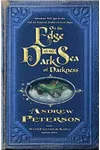
For most readers, the ultimate gateway into Andrew Peterson's literary world is The Wingfeather Saga. This four-book epic fantasy series is often described as a mix of J.R.R. Tolkien's high fantasy depth and the playful, heartfelt tone of C.S. Lewis's Narnia, combined with the whimsical charm of The Princess Bride. If you want to experience Peterson's storytelling at its absolute best, you should begin with the first novel in this series, On the Edge of the Dark Sea of Darkness.
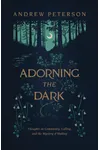
If you prefer non-fiction, Peterson has also written highly praised books on the creative life and spirituality. For readers who are artists, writers, musicians, or anyone seeking to understand the intersection of faith and creativity, the best starting point is his memoir Adorning the Dark: Thoughts on Community, Calling, and the Mystery of Making.
The Wingfeather Saga in Publication Order
The main narrative of the Wingfeather Saga follows the Igiby family—siblings Janner, Tink, and Leeli—along with their mother Nia and grandfather Podo, as they run from the occupying forces of the Fangs of Dang in the land of Skree. Because the series tells one continuous, linear story, the recommended reading path is to follow the publication order. Here is the breakdown of the core novels and how they fit together:
- On the Edge of the Dark Sea of Darkness (2008): The story begins in the town of Glipwood. We meet the Igiby children as they discover secrets about their family's past and the legendary jewels of Anniera, forcing them to flee their home.
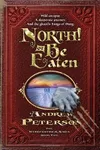
- North! or Be Eaten (2009): The journey continues northward toward the Ice Prairies. The children face dangerous beasts, wild landscapes, and internal conflicts as they learn what it truly means to bear their family legacy. This book won the prestigious Christy Award.
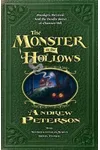
- The Monster in the Hollows (2011): The family finds temporary shelter in the Green Hollows, but Janner and his siblings struggle to fit in while dealing with secrets, prejudice, and the looming threat of the Fangs of Dang.
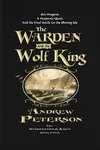
- The Warden and the Wolf King (2014): The epic conclusion to the main saga. The battle for the fate of Anniera reaches its climax, bringing a deep, emotional, and satisfying resolution to the siblings' journeys. It was named WORLD Magazine's Children's Book of the Year.
Wingfeather Companion Books and Lore Extras
To flesh out the world of Aerwiar, Andrew Peterson has published several companion works and short stories. While you can read them at different points in the series, they are generally best enjoyed after you have read the core novels to avoid spoilers and to fully appreciate the world-building details.
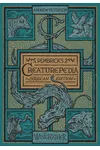
Pembrick's Creaturepedia (2014)
Written from the perspective of the in-universe scholar Ollister B. Pembrick, this companion book details the bizarre and dangerous creatures of the Wingfeather world, such as the Toothy Cows, bomnubs, and daggerils. Because it was published around the same time as the final novel, it is a perfect companion to read alongside or immediately after finishing the main saga.
Wingfeather Tales 1 & 2 (2016)
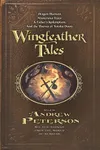
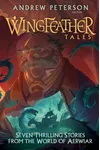
Originally compiled as a single anthology of short stories and novellas set in the world of Aerwiar, these tales are sometimes listed or sold in two parts. They feature contributions from Peterson himself, alongside other notable authors from the Rabbit Room community like N.D. Wilson and Jonathan Rogers. These stories add vital history, backstories, and fun side-adventures that expand on characters you meet throughout the main books.
A Ranger's Guide to Glipwood Forest (2023)
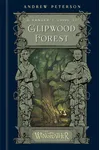
This is an illustrated guide detailing the lore, flora, and history of the Glipwood Forest. Written from the perspective of Owin Groverly, a founding member of the Glipwood Official Rangers Guild (GORG), it is packed with humor, hand-drawn sketches, and maps. Reading this book after finishing the main series offers a warm, nostalgic trip back to where the adventure first started.
Publication Order vs. Chronological Order
For the main four novels of the Wingfeather Saga, the chronological order is identical to the publication order. The storyline flows directly from the first book through to the fourth book. However, the companion works present a minor choice for readers:
- The Purist Path (Publication Order): Read the main four books first, then dive into Pembrick's Creaturepedia, the Wingfeather Tales anthologies, and finally A Ranger's Guide to Glipwood Forest. This is the safest way to read because it prevents any character revelations or world details from being spoiled early.
- The Expanded Path (Chronological Placement): If you want to break up the main story with extra lore, you can read Pembrick's Creaturepedia right after North! or Be Eaten, as that is when the kids are traveling and discovering the wider world. You can save Wingfeather Tales and the Ranger's Guide for after the final book, as some of the short stories in the anthology assume you already know how the main plot resolves.
Andrew Peterson's Picture Books and Creative Non-Fiction
Beyond his fantasy novels, Peterson's writing extends into other formats, heavily influenced by his career as a singer-songwriter and his faith:
Picture Books
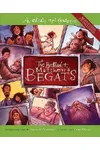
- The Ballad of Matthew's Begats (2007): Peterson's early foray into children's books is an illustrated adaptation of his song of the same name, which creatively presents the genealogy of Jesus from the Gospel of Matthew in a catchy, memorable format.
Creative Non-Fiction
- Adorning the Dark (2019): Part memoir, part creative manual, this book explores Peterson's journey as a songwriter and author. It offers practical advice on writing, handling failure, and collaborating in community, all centered around a Christian worldview.
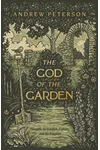
- The God of the Garden (2021): A meditative look at nature, faith, and physical place. Using the trees on his Nashville property as a starting point, Peterson discusses the spiritual importance of tending to the earth, memory, and finding God's presence in the physical world around us.
What to Know Before You Start
First-time readers should know that the Wingfeather Saga starts off feeling lighthearted, goofy, and deeply whimsical, but gradually matures into a profound, high-stakes story of sacrifice and redemption. The tone of the first book relies heavily on funny footnotes and quirky names, which might lead some readers to think it is strictly for young children. However, by the time you reach the second and third books, the emotional weight and narrative depth scale up significantly, making it a favorite for adults as well.
Additionally, Peterson's work is deeply connected to The Rabbit Room, a creative nonprofit he founded in 2008. The Rabbit Room fosters a community of Christian artists, and many of the authors who contributed to the Wingfeather Tales anthology are active members of this community, sharing a similar focus on faith, hope, and beautiful storytelling.