

The Recommended Reading Path
For readers diving into the brutal world of Andrew Quiller’s gladiatorial historical fiction, there is only one logical way to experience the saga: publication order. Because the books follow a linear sequence in the life of the protagonist, Marcus Julius Britannicus, reading them out of order will spoil major plot points, particularly the resolution of his overarching vengeance quest.
Although the narrative frequently uses flashbacks to fill in Marcus's past military career and early life, the main story frame progresses chronologically across the five novels. Starting with the first book is highly recommended to understand Marcus's fall from grace, his transition into the arena, and the origins of his vendettas.
The Gladiator / The Eagles Book-by-Book Order
Below is the complete reading order of the series, detailing the release sequence, primary authors behind each installment, and key plot frameworks.
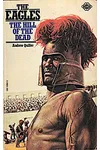
- Book 1: The Hill of the Dead (1975)
This debut novel introduces Marcus Julius Britannicus, a disgraced half-Roman, half-British nobleman who is forced into the gladiatorial arena under the name Vulpus the Fox. The book establishes the series' signature flashback structure, detailing Marcus's past exploits as a Roman soldier and his complex relationship with Samuel ben Ezra during the tragic Siege of Masada. It lays the groundwork for the vengeance quest that drives the entire series.
- Book 2: Land of Mist (1976)
The second entry raises the personal stakes as Marcus navigates the corruption and decadence of Roman high society. The story focuses heavily on Marcus's hunt for the powerful men responsible for his mother's violation and murder, blending visceral arena combat with gritty street-level detective work and historical drama.
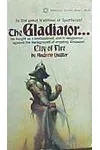
- Book 3: City of Fire (1976)
Written by fantasy and historical fiction author Angus Wells, this installment takes Marcus to the ill-fated city of Pompeii. As Marcus corners his targets, his vengeance quest matches the explosive tension of the environment. The narrative culminates in a chaotic, action-packed showdown framed by the historic eruption of Mount Vesuvius.
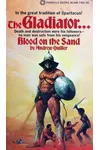
- Book 4: Blood on the Sand (1977)
Written by Laurence James, this book finds Vulpus at the height of his fame as a crowd favorite under the rule of Emperor Titus. It acts as the emotional and narrative climax of the primary series arc, resolving Marcus's long-running quest for revenge against his family's tormentors. It is widely considered the most violent and fast-paced entry in the saga.
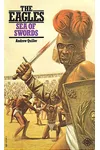
- Book 5: Sea of Swords (1977)
Written by Kenneth Bulmer, the final volume serves as an epilogue and separate maritime adventure. With the primary vengeance arc concluded in the previous book, this novel takes Marcus away from the Roman sands and onto the open seas, offering a final look at the character before the series ended.
US vs. UK Publishing Differences
When tracking down these vintage paperbacks, readers must navigate a confusing publishing history. The series was published under two completely different names depending on the market:
- The Gladiator: This was the title used for the United States editions published by Pinnacle Books.
- The Eagles: This was the title used for the United Kingdom editions published by Futura Publications.
Additionally, US readers face a significant hurdle: the fifth book, Sea of Swords, was only printed in the UK. Pinnacle Books did not release the final volume in the United States, meaning American collectors must source UK imports or digital editions from specialty publishers to complete the set.
The Authors Behind the Pseudonym
Andrew Quiller is not a real person but rather a "house name" or collective pseudonym created by the publishers to maintain a consistent author brand while swapping writers behind the scenes. This was a common practice in the 1970s and 1980s for men's action and historical adventure paperbacks. The three British writers who shared the name were:
- Angus Wells: Known for his later fantasy epics and westerns, Wells contributed the atmospheric City of Fire, focusing heavily on character motivations and historical set pieces.
- Laurence James: Famous for his gritty, hard-boiled style, James wrote Blood on the Sand, infusing it with realistic violence and fast pacing.
- Kenneth Bulmer: A highly prolific science fiction and adventure novelist, Bulmer penned the final adventure, Sea of Swords.
Key Reading Caveats & Disambiguations
Before buying or searching for these books, keep the following critical details in mind to avoid purchasing the wrong works:
Avoid the Simon Scarrow Confusion: Historical fiction fans should not confuse Andrew Quiller’s Gladiator / Eagles series with Simon Scarrow’s famous, modern Eagles of the Empire series (which includes a novel titled The Gladiator). They are entirely separate series written decades apart.
The Land of Mist Title Collision: Ensure you do not accidentally purchase Sir Arthur Conan Doyle's 1926 spiritualist novel The Land of Mist (part of his Professor Challenger series), which shares an identical title with Quiller's second book.
Tone Warning: These books belong to the 1970s men's adventure genre. They are characterized by brief, direct prose, high levels of violence, and mature themes. They lack the dry, academic detail of modern historical fiction, opting instead for cinematic pacing and pulp thrills.