

How to Read Andrew Vachss’ Books: Our Recommended Reading Path
Andrew Vachss was not just a novelist; he was a dedicated child protection attorney whose real-world crusades against abuse fueled every page of his writing. Because his fiction is deeply serialized and characters age, change, and face permanent consequences in real time, we strongly recommend following his major works in publication order. The best way to experience Vachss's literary universe is to start with the legendary Burke series, follow it with his two distinct trilogies (Aftershock and Cross), and then explore his standalones and collaborative crossovers.
The Core Experience: The Burke Series (18 Books)
The Burke series is Vachss's signature work. It follows a shadowy, unlicensed private investigator and ex-con navigating the underbelly of New York City. Supported by a tight-knit "family of choice"—including the silent martial artist Max the Silent, the genius electronics wizard Mole, and the street-smart Prophet—Burke hunts down child predators and those who exploit the vulnerable. Because the series maintains a tight, evolving continuity where characters grow and die, you should read these books strictly in publication order:
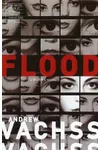
- Flood (1985)
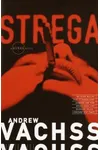
- Strega (1987)
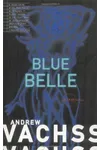
- Blue Belle (1988)
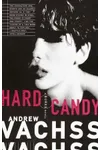
- Hard Candy (1989)
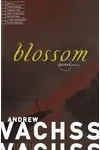
- Blossom (1990)
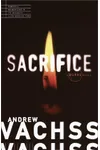
- Sacrifice (1991)
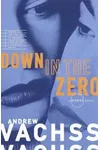
- Down in the Zero (1994)
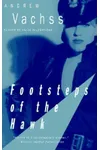
- Footsteps of the Hawk (1995)
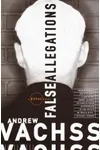
- False Allegations (1996)
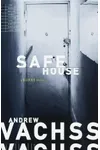
- Safe House (1998)
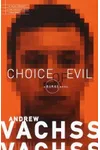
- Choice of Evil (1999)
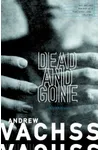
- Dead and Gone (2000)
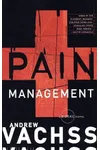
- Pain Management (2001)
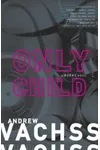
- Only Child (2002)
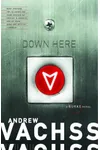
- Down Here (2004)
- Mask Market (2006)
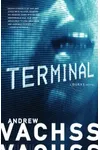
- Terminal (2007)
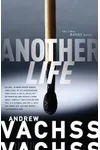
- Another Life (2008)
While Flood is the logical starting point, some seasoned readers suggest starting with Strega. By the second novel, Vachss had fully refined his signature, spare, and percussive "shotgun" prose style. However, starting with Flood remains the best choice for readers who want to witness the full, uninterrupted evolution of Burke's underground network.
The Dell and Dolly Thrillers: The Aftershock Trilogy
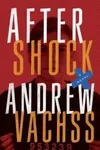
If you want a more self-contained, action-oriented experience, the Aftershock trilogy is a perfect next step. This series centers on Adelbert "Dell" Jackson, a lethal former mercenary with a French Foreign Legion background, and his wife Dolly, a former battlefield nurse. The couple attempts to settle down on the quiet Oregon coast, but local corruption and threats to the innocent repeatedly force Dell to unleash his deadly skillset. Read this trilogy in chronological order:
- Aftershock (2013)
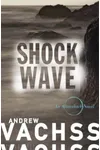
- Shockwave (2014)
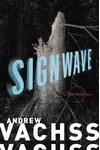
- Signwave (2015)
The Mercenary Syndicate: The Cross Trilogy
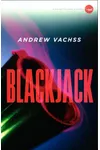
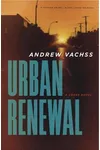
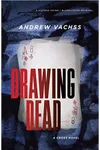
The Cross trilogy introduces a darker, slightly more stylized corner of Vachss's mind. The protagonist, Cross, is an enigmatic and amoral mercenary who leads a highly trained crew of outcasts operating outside societal rules. Unlike Burke's crew, which operates on a strict moral code of protecting youth, Cross and his team are professional soldiers of fortune. This series also introduces subtle supernatural and speculative undertones that contrast with Vachss’s typical gritty realism. Read them in order:
- Blackjack (2012)
- Urban Renewal (2014)
- Drawing Dead (2016)
The Joe R. Lansdale Crossover: Veil’s Visit
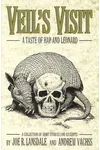
For a unique treat, Vachss collaborated with his close friend and fellow crime author Joe R. Lansdale. The crossover short story "Veil's Visit" (first published in the 1999 limited collection of the same name, and later reprinted in the 2016 collection Hap and Leonard) brings Lansdale's famous duo, Hap Collins and Leonard Pine, into contact with a lawyer named Veil. Veil is a character heavily based on Vachss himself, who travels to Texas to defend Leonard in court after he burns down a local crack house. It is a fantastic bridge between two giants of modern noir.
The Standalone Novels & The Long-Delayed Debut
Vachss wrote several highly acclaimed standalone novels that do not belong to his main series. These can generally be read in any order, though they are best appreciated once you are familiar with his writing style:
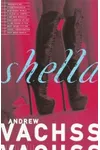
- Shella (1993) – A polarizing, stripped-down story of a hitman and a dancer.
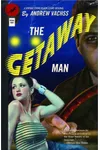
- The Getaway Man (2003) – A tribute to classic gold-medal noir fiction.
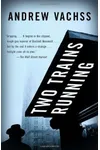
- Two Trains Running (2005) – A historical crime thriller set during the politically charged year of 1968.
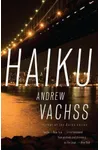
- Haiku (2009) – A moving look at homeless men in New York who form an unlikely therapeutic bond.
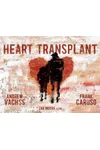
- Heart Transplant (2010) – An illustrated novel tackling the dynamics of bullying.
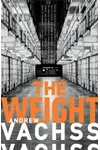
- The Weight (2010) – A heist thriller about a professional thief.
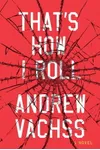
- That's How I Roll (2012) – A story delivered from the perspective of a wheelchair-bound assassin.
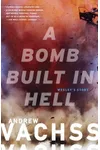
- A Bomb Built in Hell (written in 1973, published 2012) – Vachss’s actual debut novel. It was rejected by publishers in the 1970s for being "too extreme" and depicting school-shooting themes that were deemed implausible at the time, only to be officially released decades later.
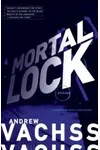
- Mortal Lock (2013) – A thriller centered on a professional lock-picker.
- Carbon (2019) – A dark tale of revenge and redemption.
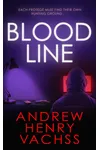
- Blood Line (2022) – A posthumously published crime novel.
Graphic Novels & Pop Culture Tie-Ins
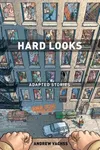
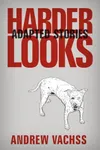
Vachss was a strong proponent of using different media to spread his message. In 1995, DC Comics commissioned Vachss to write Batman: The Ultimate Evil. In this novel (later adapted into a two-part comic miniseries), Bruce Wayne discovers a international child sex tourism syndicate and connects it to his parents' legacy. Vachss used the iconic superhero to shine a bright light on real-world child exploitation, donating his royalties to child advocacy programs. He also wrote original graphic novels like Hard Looks (1994) and Harder Looks (1994), which adapt many of his short stories into comic form.
What to Know Before You Start
Andrew Vachss’s fiction is notoriously dark. His writing serves as a megaphone for child protection, and he does not shy away from the horrific realities of child abuse, trafficking, and societal neglect. Readers should be prepared for triggering themes, but Vachss handles them without exploitation; the violence is a call to action. His prose is fast, dialogue-driven, and intensely atmospheric, making him one of the most distinctive voices in the history of the hardboiled genre.