








Where to Start Reading Angela Carter
Angela Carter’s lush, provocative, and highly influential body of work does not follow a strict chronological storyline, but choosing the right entry point makes a massive difference. For most readers, starting with her short fiction is the absolute best way to experience her signature style.
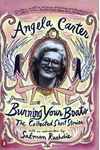
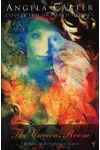
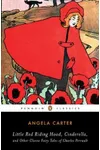
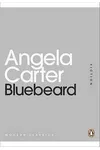
The Recommended Starting Point: Begin with The Bloody Chamber and Other Stories (1979). This collection contains her most famous feminist retellings of classic fairy tales, such as Bluebeard ("The Bloody Chamber") and Little Red Riding Hood ("The Company of Wolves"). It perfectly highlights her dark gothic aesthetic, rich prose, and subversive themes. If you prefer a complete retrospective of her short fiction, you can pick up the posthumous omnibus Burning Your Boats (1995), which gathers nearly all her shorter works into one volume.
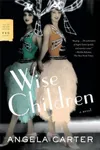
For Novel Lovers: If you want to jump straight into a full-length book, start with The Magic Toyshop (1967). It is a surreal, gothic coming-of-age story that is highly accessible while retaining her unique, dreamlike voice. Alternatively, for a more lighthearted and theatrical experience, start with her final novel, Wise Children (1991), which celebrates the carnivalesque world of London show business.
The Bristol Trilogy
Carter’s only formal series is the "Bristol Trilogy" (sometimes listed as the Bristol Books). These are not traditional sequels with a continuous narrative arc, but rather three thematic companion novels set in the counter-cultural scene of Bristol during the 1960s. They are best read in order of publication to track Carter’s developing style:
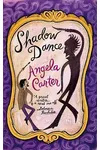
- Shadow Dance (1966) – Carter's debut novel, also published under the title Honeybuzzard.
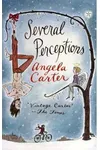
- Several Perceptions (1968) – A surreal look at a young man's existential breakdown and search for meaning.
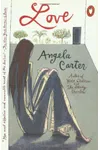
- Love (1971) – A dark, psychological exploration of a disruptive love triangle.
Standalone Novels
Outside of the Bristol Trilogy, Carter wrote several landmark novels that can be read in any order. They range from speculative science fiction to picaresque historical fantasy:
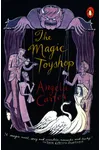
- The Magic Toyshop (1967) – A dark, gothic tale of a young girl sent to live with her eccentric, domineering uncle who creates life-sized puppets.
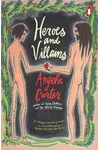
- Heroes and Villains (1969) – A post-apocalyptic speculative novel exploring the clash between the civilized "Professors" and the wild "Barbarians."
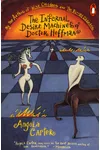
- The Infernal Desire Machines of Doctor Hoffman (1972) – A highly experimental, surrealist adventure exploring the boundaries between desire and reality.
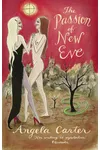
- The Passion of New Eve (1977) – A provocative, satirical critique of gender constructs set in a dystopian, collapsing United States.
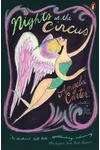
- Nights at the Circus (1984) – An ambitious, magic-realist picaresque following Fevvers, a towering Cockney trapeze artist who claims to have real wings.
- Wise Children (1991) – Her final novel, focusing on the twin Hazard sisters and their theatrical family, full of Shakespearean double-crosses and comic warmth.
Short Story Collections
Carter was a master of the short form. Her collections showcase her ability to dissect myths, folklore, and historical figures in brief, sharp bursts. Reading them in order of publication shows how she shifted from experimental surrealism to structured mythological deconstruction:
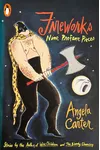
- Fireworks: Nine Profane Pieces (1970/1974) – Early experimental stories, heavily inspired by her transformative years living in Japan.
- The Bloody Chamber and Other Stories (1979) – Her masterpiece of dark, sensual fairy-tale reinventions.
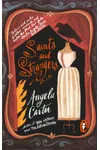
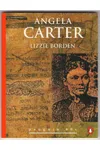
- Black Venus (1985) – Published in some regions as Saints and Strangers, this collection features stories inspired by real historical figures, including Jeanne Duval (Charles Baudelaire's muse) and Lizzie Borden.
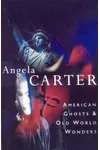
- American Ghosts & Old World Wonders (1993) – A posthumously published collection celebrating cinematic Western myths and European folklore.
Children's Books & Picture Books
Though celebrated for her adult themes, Carter wrote several imaginative stories for children. These are often published as illustrated picture books and are highly sought after by collectors:
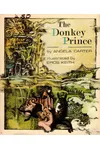
- The Donkey Prince (1970)
- Miss Z, The Dark Young Lady (1970)
- The Music People (1980)
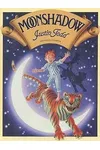
- Moonshadow (1982)
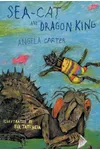
- Sea-Cat and Dragon King (2000)
What to Know Before You Start
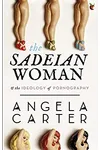
Angela Carter’s writing style is famously ornate, baroque, and intellectual. She frequently references psychoanalysis, folklore, Shakespeare, and classical philosophy. Readers should be prepared for dense, lyrical prose that does not shy away from themes of sexuality, violence, and structural power. While her novels can be read completely independently of one another, understanding her non-fiction work—particularly her feminist treatise The Sadeian Woman and the Ideology of Pornography (1978)—provides invaluable context for the subversions found in fiction like The Passion of New Eve and The Bloody Chamber.