
Where to Start with Ann Fraistat's Novels
If you are new to Ann Fraistat’s work, you might wonder if her books share a common universe or if there is a strict chronological reading order. The good news is that both of her major novels are completely self-contained, standalone works. Because they are independent of each other, you can read them in any order you prefer. However, we highly recommend starting with her debut, What We Harvest, followed by her sophomore release, A Place for Vanishing. This allows you to experience her stylistic growth as a writer and transition from visceral folk eco-horror into gothic, character-driven mystery.
Ann Fraistat's Books in Publication Order
Since the novels do not share characters or plot lines, the publication order is the most straightforward and satisfying way to read her work. Below is the publication chronology for her standalone novels and her major interactive play project:
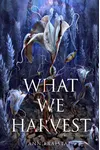
- What We Harvest (2022) – Debut YA Folk Horror Novel
- Romeo & Juliet: Choose Your Own Ending (2023) – Co-authored Interactive Play
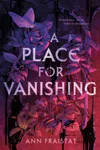
- A Place for Vanishing (2024) – YA Gothic Horror Novel
Deep Dive Into the Standalone Novels
What We Harvest (2022)
Set in the picturesque, farm-based town of Hollow's End, What We Harvest is a chilling blend of folk horror and eco-thriller. For generations, the founding families of the town have prospered by growing miraculous, rainbow-hued crops. However, this magical abundance comes to a halt when a mysterious, quicksilver-like blight infects the fields. The blight quickly spreads from the crops to the farm animals and eventually to the townspeople, transforming them into terrifying, zombified threats. The story follows Wren, a teenage descendant of one of the founding families, who stays behind to fight for her home. When she is forced to team up with her ex-boyfriend Derek, the two must dig into the dark secrets of their ancestors to discover the true cost of their town's prosperity and stop the blight before it consumes them completely.
Key themes in the novel include environmental destruction, the weight of generational debt, and the consequences of burying community secrets. Fraistat uses the visceral threat of the blight to build a fast-paced, atmospheric story that is both terrifying and ultimately hopeful about the resilience of the younger generation.
A Place for Vanishing (2024)
Her second novel, A Place for Vanishing, is a USA Today bestseller that moves away from the open fields of folk horror into the claustrophobic, eerie halls of gothic fiction. The story follows Libby, a teenager recently diagnosed with bipolar III, who moves with her family to Madame Clery’s House of Masks—an old Victorian mansion that belonged to her mother's family. The mansion is renowned for its unsettling history of séances, strange blue roses in the garden, and unexplained disappearances. As Libby and her younger sister discover insect-shaped masks hidden throughout the house, they realize a malevolent presence is lurking inside. With the help of a local boy named Flynn, Libby must unravel the history of the house to save her family and herself.
This novel stands out for its sensitive portrayal of mental health and recovery. Libby's internal struggle with her diagnosis is mirrored by the uncanny, haunted nature of the house. Fraistat weaves themes of identity, coping with trauma, and the masks people wear to hide their vulnerabilities into a highly atmospheric, bug-themed gothic horror mystery.
Interactive and Collaborative Works
Romeo & Juliet: Choose Your Own Ending
In addition to her novels, Ann Fraistat has a strong background in narrative design and theatre. She co-authored the interactive comedy play Romeo & Juliet: Choose Your Own Ending with her brother, Shawn Fraistat. Published and licensed through Concord Theatricals, this comedic adaptation allows the audience to vote at key moments in the play to decide Romeo's actions. Depending on the choices made, the play can branch into eight distinct endings. Some paths lead to hilariously happy resolutions where the lovers survive, while others steer the narrative into absolute tragedy. It is a fantastic showcase of Fraistat’s talent for building interactive, viewer-driven stories.
What to Know Before You Start
Ann Fraistat’s writing style is defined by what critics call "hopeful horror." While her books feature genuine scares—such as zombified creatures and eerie paranormal encounters—they are ultimately driven by hope, healing, and the strength of personal relationships. If you enjoy atmospheric, slow-burn mysteries with rich world-building, sensory details (like the smell of damp earth or the cold feel of brass masks), and strong emotional cores, her books will resonate deeply with you. They are perfect for readers who enjoy the works of YA authors like Claire Legrand, Rory Power, or the gothic styling of classic horror, without feeling completely despondent by the end of the book.