


Where Should You Start Reading Ann Weisgarber's Books?
Because all of Ann Weisgarber's novels are completely standalone stories, there is no strict narrative continuity to follow. You can pick up any of her books without worrying about missing character development or ongoing storylines. However, if you are looking for the absolute best starting point, we recommend beginning with her debut novel:
- The Best Entry Point: The Personal History of Rachel DuPree (2008). This book immediately showcases Weisgarber's unique ability to weave a gripping, intimate story set against a harsh, unforgiving landscape. It is her most celebrated work and serves as the perfect introduction to her lean, atmospheric prose.
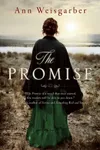
- For Fans of High-Stakes Drama: The Promise (2013). If you prefer stories built around major historical events, start here. The backdrop is the catastrophic 1900 Galveston hurricane, which brings an intense, ticking-clock momentum to the narrative.
- For Fans of Quiet Suspense: The Glovemaker (2019). If you enjoy slow-burn tension, ethical dilemmas, and isolated pioneer communities, this winter-set tale in Utah is your best bet.
Ann Weisgarber Books in Publication Order
Reading Ann Weisgarber's novels in the order they were written allows you to appreciate her growth as a writer. Although she has published three novels, each has garnered significant awards and nominations.
1. The Personal History of Rachel DuPree (2008)
Set in 1917 in the South Dakota Badlands, this novel follows Rachel DuPree, an African American homesteader. While facing a severe drought and the bitter cold of winter, Rachel must confront a crumbling marriage and the harsh realities of raising children on isolated land. The book explores themes of racial prejudice, maternal love, and the extreme sacrifices required to survive. It was nominated for the Orange Prize for Fiction (now the Women's Prize) and won the Langum Prize for American Historical Fiction.
2. The Promise (2013)
Moving from the plains to the Gulf Coast, this novel takes place in 1900 Galveston, Texas. The story centers on Catherine Wainwright, a pianist who flees a scandal in Ohio to marry a childhood friend who is now a widowed dairy farmer. As Catherine struggles to adapt to her new life and the simmering tension with her husband's housekeeper, a catastrophic hurricane begins to form in the Gulf. This novel was shortlisted for the prestigious Walter Scott Prize for Historical Fiction.
3. The Glovemaker (2019)
Set in the remote canyon country of Utah in 1888, this book focuses on Deborah Tyler, a Mormon woman who makes gloves and awaits the return of her husband. When a fugitive polygamist seeking shelter knocks on her door in the dead of winter, Deborah is forced to make a dangerous choice that could put her entire isolated community at risk. It won the 2020 WILLA Literary Award for Historical Fiction and was a finalist for the Spur Award.
The Chronological Reading Order
If you prefer to read historical fiction in the order of the eras they depict, you can follow this timeline. Experiencing the stories chronologically highlights the evolution of the American frontier from the late 19th century into the early 20th century:
- 1888: The Glovemaker (Utah canyon country)
- 1900: The Promise (Galveston, Texas)
- 1917: The Personal History of Rachel DuPree (South Dakota Badlands)
What to Know Before You Start
Ann Weisgarber’s style is distinct from fast-paced, plot-driven historical thrillers. Before you pick up her books, keep these stylistic elements in mind:
- Pacing and Tension: Weisgarber intentionally uses "slow communication" to build tension. Because her characters live in eras before instant messaging or telephones, news travels slowly, and letters take days or weeks to arrive. This isolation heightens the emotional stakes.
- Unforgiving Environments: In all three books, the landscape is a character in its own right. The barren South Dakota Badlands, the swampy and storm-vulnerable Galveston coast, and the rugged red rocks of Utah all directly dictate the choices the characters must make.
- Forgotten Perspectives: Rather than focusing on famous historical figures, Weisgarber unearths marginalized voices. She explores the lives of Black homesteaders, Mormon outcasts, and women struggling against societal expectations.