
Where to Start Reading Ann Whitford Paul
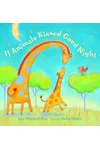
For parents and educators introducing young children to Ann Whitford Paul's work, the entry point depends largely on the reader's age. For toddlers and preschoolers (ages 2 to 5), the absolute best starting point is her most famous book, If Animals Kissed Good Night (2008). Its gentle rhythm, cozy bedtime imagery, and repetitive structure make it an ideal read-aloud choice.
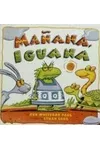
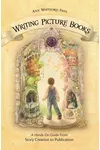
For slightly older children (ages 4 to 8), the best entry point is the bilingual classic Mañana, Iguana (2004), which kicks off her playful Southwest desert series. If you are an aspiring writer looking for a guide to the craft, you should start directly with her widely acclaimed instructional manual, Writing Picture Books.
The Bestselling "If Animals..." Series
Co-created with illustrator David Walker, the If Animals... series is Ann Whitford Paul's most popular work. Each book explores a simple, relatable question—such as how animals would show love, go to school, or celebrate holidays—using bouncy, rhyming verses and adorable animal characters. While these books are standalone stories and can be read in any order, reading them in publication order is a great way to watch the series evolve.
Publication Order of "If Animals..." Books
- If Animals Kissed Good Night (2008)
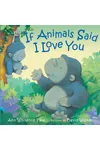
- If Animals Said I Love You (2017)
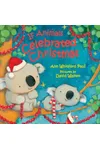
- If Animals Celebrated Christmas (2018)
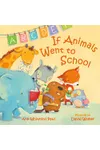
- If Animals Went to School (2019)
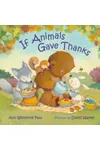
- If Animals Gave Thanks (2020)
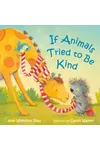
- If Animals Tried to Be Kind (2021)
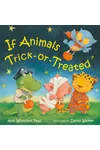
- If Animals Trick-or-Treated (2022)
- If Animals Went to Work (2023)
- If Animals Celebrated Easter (2025)
- If Animals Loved Books (2025)
- If Animals Said I Love You, Mama (2026)
The "Iguana and Friends" Southwest Series
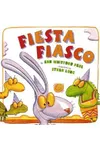
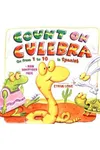
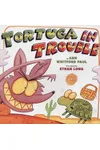
Illustrated by Ethan Long, this collection of picture books features a recurring cast of desert animals—Iguana, Conejo (rabbit), Culebra (snake), and Tortuga (tortoise). These books introduce children to basic Spanish vocabulary and cultural themes in a fun, natural way, complete with a glossary at the back. It is best to read these in publication order, as the group dynamics build across the books.
Publication Order of "Iguana and Friends" Books
- Mañana, Iguana (2004) – A desert-themed twist on the classic fable of "The Little Red Hen," where Iguana's friends learn the value of helping out.
- Fiesta Fiasco (2007) – A birthday shopping trip for Culebra that goes awry when Conejo gets greedy.
- Count on Culebra: Go from 1 to 10 in Spanish (2008) – A humorous tale of counting and home remedies when Iguana stubs her toe.
- Tortuga in Trouble (2009) – A fractured fairy tale spin on "Little Red Riding Hood," where the friends must band together to save Tortuga from a hungry coyote.
Historical Quilting & Non-Fiction Books
Beyond bedtime rhymes and animal stories, Ann Whitford Paul is a passionate quilter. She has channelled this interest into two beautifully illustrated educational books that teach American pioneer history through the language of quilt patterns. While they are distinct, they are excellent companion books to read together.
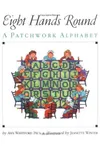
- Eight Hands Round: A Patchwork Alphabet (1991) – Illustrated by Jeanette Winter, this book uses the alphabet to introduce early American quilt patterns and explain the daily lives of pioneers.
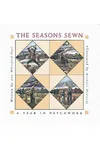
- The Seasons Sewn: A Year in Patchwork (1996) – Illustrated by Michael McCurdy, this book explores how the change of seasons in 19th-century America inspired the designs and names of traditional quilt blocks.
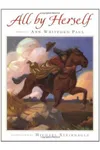
- All by Herself (1999) – A collection of biographical poetry celebrating 14 real-life historical girls who performed heroic and courageous acts.
Other Standalone Picture Books & Poetry
If you've read her main series, there are plenty of other standalone gems in her bibliography to explore, spanning from her debut in 1985 to modern character-driven stories:
- Owl at Night (1985) – Ann's debut picture book, illustrating the cozy contrast between a sleeping household and the active nighttime world of an owl.
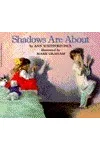
- Shadows Are About (1992) – A poetic exploration of play and shadows during a sunny day.
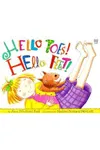
- Hello Toes! Hello Feet! (1998) – A rhythmic celebration of the active, busy day of a young girl's feet.
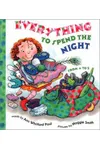
- Everything to Spend the Night: From A to Z (1999) – An alphabet book detailing all the essentials needed for a fun sleepover.
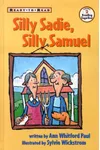
- Silly Sadie, Silly Samuel (2001) – A lighthearted story about two silly characters.
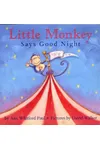
- Little Monkey Says Good Night (2003) – A charming bedtime story featuring a circus monkey who is too excited to sleep.
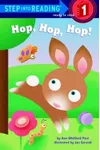
- Hop! Hop! Hop! (2005) – A simple, playful book ideal for very early readers.
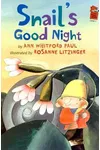
- Snail's Good Night (2008) – A bedtime story about a slow-moving snail trying to get home to sleep.
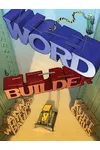
- Word Builder (2009) – A creative book that equates building words and sentences to constructing a house.
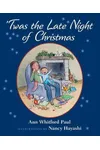
- 'Twas the Late Night of Christmas (2013) – A festive, humorous holiday tale.
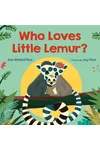
- Who Loves Little Lemur? (2021) – A sweet story highlighting family reassurance and unconditional love.
What to Know Before You Start
Ann Whitford Paul’s writing is heavily defined by rhyme, meter, and wordplay. Before reading aloud, it is helpful to skim the page to catch the cadence of her prose. In the Iguana and Friends series, the integration of Spanish words is contextual, making it easy for non-Spanish speakers to follow along, but reviewing the glossary in advance can help with correct pronunciation. For aspiring children's book authors, her craft guide Writing Picture Books is widely taught in universities and writing workshops, serving as a masterclass on the technical components of writing for this age group.