






The Recommended Reading Path for Anna Burns
Anna Burns is famous for her challenging, experimental, and deeply rewarding literary style. Because her works are standalone novels rather than a serialized narrative, there is no strict chronological timeline you must follow. However, to get the best experience of her stylistic evolution and thematic depth, we recommend the following reading order:
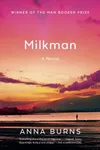
- Milkman (2018): Start here. While it is her most complex and stylistically experimental novel, it is also her undisputed masterpiece. Winning the 2018 Man Booker Prize, this book provides the ultimate introduction to Burns' signature stream-of-consciousness narrative style and nameless characters. Diving into her best-known work first helps you decide if you enjoy her unique literary voice.
- No Bones (2001): Read this second. As Burns' debut novel, it serves as a fascinating companion piece to Milkman. Both books are set during the Northern Irish Troubles in Belfast, but No Bones is structured more traditionally as a coming-of-age story (Bildungsroman) following a girl named Amelia Lovett. It offers a slightly more grounded look at the psychological toll of conflict while retaining Burns' raw, lyrical voice.
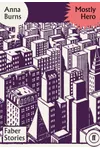
- Mostly Hero (2014 / 2019): Read this third. This novella is a sharp, satirical departure from her heavy political themes, delivering a quirky and darkly humorous take on the superhero genre. It was republished as a standalone booklet in the prestigious Faber Stories collection.
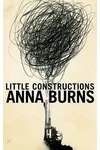
- Little Constructions (2007): Save this for last. This darkly comic, absurdist crime romp set in the fictional town of Tiptoe shows a different side of Burns' versatility. It focuses on domestic madness and criminal families rather than the political weight of the Troubles, making it a fun final stop in her bibliography.
Critical Warning: The Two Authors Named Anna Burns
When searching for books by Anna Burns, readers often encounter the 2021 contemporary fiction novel Love at Café Lompar. It is vital to note that this book was written by a different Anna Burns (a UK-based doctor and trainee psychiatrist who co-authored the book with her mother, Jacqui Burns). This contemporary romance and family drama was shortlisted for the Katie Fforde Debut Romantic Novel Award, but it has no connection to the Booker Prize-winning Northern Irish author of Milkman. We have included it in the publication lists below for clarification, but literary fiction readers looking for the Troubles-focused author should skip it.
The Standalone Novels in Publication Order
If you prefer to see how Anna Burns' writing style evolved from the beginning of her career to her major international breakthroughs, you can read her works in order of release:
- No Bones (2001): A raw, darkly funny portrayal of a young girl's life amidst the violence of Belfast's Ardoyne district. Winner of the Winifred Holtby Memorial Prize.
- Little Constructions (2007): A satirical, chaotic crime story centered around a family of criminals and a woman seeking retribution with a gun.
- Milkman (2018): A claustrophobic, brilliant look at surveillance, rumor, and harassment in a nameless divided city during the Troubles. Winner of the Man Booker Prize.
- Love at Café Lompar (2021): Note: Written by a different author of the same name. Included here to prevent cataloging confusion.
Understanding the Faber Stories Contribution
In 2019, publisher Faber & Faber launched Faber Stories, a collection of individual, collectible booklets celebrating short fiction from some of their most renowned writers. Anna Burns' contribution to this series was her novella Mostly Hero (originally written in 2014).
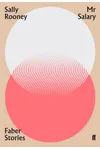
While the Faber Stories series contains works by legendary authors such as Flannery O'Connor, James Joyce, and Sally Rooney, these are completely independent stories that do not share a universe or characters. You only need to read Mostly Hero to complete your Anna Burns journey; the rest of the Faber booklets can be read entirely as standalone short fiction from their respective authors.
What to Know Before You Start
Anna Burns' writing is unlike typical contemporary fiction. Before you begin her books, keep these stylistic elements in mind:
- Nameless Worlds: In Milkman, Burns refuses to use proper names. Characters are referred to by their relationships or descriptors (e.g., "maybe-boyfriend," "middle sister," "first brother-in-law"). This technique makes the claustrophobic atmosphere feel universal and allegorical.
- Spiraling Prose: Her sentences are long, winding, and mimic the internal monologues of people living under constant surveillance and anxiety. It requires patience but creates an incredibly immersive psychological landscape.
- Humor in the Dark: Despite the heavy subjects of violence, stalking, and societal pressure, Burns' work is consistently shot through with dry, dark, and biting Northern Irish humor.