
How to Read Anna Hope: Recommended Starting Paths
Anna Hope has built a reputation for writing emotionally resonant novels that explore human vulnerability, historical trauma, and the complexities of relationships. Because all of her books are standalone novels, there is no strict chronological narrative flow or recurring character list that binds them. You can read them in any order you choose. However, depending on what type of reader you are, certain paths will offer a much smoother entry point into her work.
Path 1: The Historical Fiction Route (Recommended)
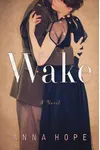
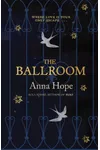
If you love meticulously researched historical settings, start with her debut novel, Wake (2014), followed by The Ballroom (2016). These novels show Hope at her most traditional yet evocative, focusing on the early 20th century. Reading these two first allows you to experience the emotional depth and historical curiosity that originally launched her career.
Path 2: The Contemporary & Modern Route
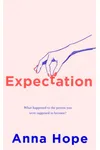
If you prefer stories about modern relationships, societal pressures, and female friendships, start with Expectation (2019). It marks a departure from her historical settings, dealing with the realities of modern London life. You can then move to her later works, The White Rock (2022) and Albion (2025), which blend historical themes with contemporary and environmental anxieties.
Path 3: The Chronological Publication Order
For readers who want to witness Hope's development as an artist, reading in publication order is highly satisfying. You see her journey from writing localized post-war grief, to Edwardian institutional romance, to modern-day domestic struggles, to an ambitious multi-era epic, and finally to a grand ecological family drama. The chronological publication order is:
- Wake (2014)
- The Ballroom (2016)
- Expectation (2019)
- The White Rock (2022)
- Albion (2025)
Detailed Guide to Anna Hope's Novels
Wake (2014)
Set in London in November 1920, Hope's debut novel unfolds over five days leading up to the historic burial of the Unknown Warrior at Westminster Abbey. The narrative weaves together the lives of three very different women who are all dealing with the physical and emotional aftermath of World War I. Hettie is a dance-hall partner who seeks escape from her shell-shocked brother and grieving mother. Evelyn is a upper-class woman working at a pensions office, hardened by the loss of her lover. Ada is a mother haunted by the belief that her missing son is still alive. Wake is widely praised for its quiet, devastating portrayal of collective grief and the lingering shadow of war on civilian life.
The Ballroom (2016)
Set during the hot summer of 1911 in an asylum in Yorkshire, England, The Ballroom is a story of forbidden love and class struggle. It focuses on Ella, a woman committed after breaking a window at the factory where she worked, and John, an Irish immigrant laborer driven mad by grief. Once a week, the male and female patients are allowed to meet in a grand ballroom to dance. It is here that Ella and John find a connection. Inspired by the life of Hope's great-great-grandfather, who died in a similar asylum, the novel is a brilliant exploration of Edwardian psychiatry, class division, and early eugenics, wrapped in a tragic romance.
Expectation (2019)
Transitioning to contemporary fiction, Expectation is a portrait of female friendship, ambition, and the gap between youthful dreams and middle-age reality. The story follows three best friends—Hannah, Cate, and Lissa—living in East London. The book spans from their hopeful, artistic twenties in 2010 to their complicated, compromise-filled thirties. They grapple with the pressures of motherhood, careers, fertility, marriage, and jealousy. Hope captures the raw honesty of modern womanhood with the same emotional clarity she brought to her historical settings.
The White Rock (2022)
An ambitious and structural tour de force, The White Rock is a multi-era epic centering on a sacred rock off the Pacific coast of Nayarit, Mexico. The novel spans four different time periods and follows four distinct characters: a young Wixárika girl fleeing Spanish soldiers in 1775; a British lieutenant collecting biological specimens in 1897; a young American woman seeking escape in the counterculture movement of 1969; and a modern writer traveling with her young daughter in 2020. The novel connects these disparate threads through the sacred site, exploring themes of colonization, human connection, environmental destruction, and the enduring power of sacred places.
Albion (2025)
Hope's fifth novel, Albion, tackles the classic English country house genre with a modern, urgent spin. Set in the ancestral home of the Brooke family, the novel opens in the wake of the family patriarch's death. As the surviving family members gather to debate the future of the estate, they must confront buried secrets, questions of class privilege, and the looming threat of the global climate crisis. Albion combines domestic family drama with a larger, ecological meditation on inheritance and what we leave behind for future generations.
What to Know Before You Start
Anna Hope's transition from actress to novelist has heavily influenced her writing style. Her prose is highly sensory and character-driven, carrying a theatrical rhythm that emphasizes dialogue, physical posture, and setting details. Readers should note that her novels, while rich and engaging, often touch on heavy themes such as bereavement, mental illness, institutional abuse, infertility, and historical trauma. If you are looking for lighthearted escapism, her bibliography may feel heavy; however, for those who appreciate emotional depth, historical authenticity, and complex characters, Hope is a highly rewarding author.