
How to Read Anna Wiener’s Books
If you are approaching the work of journalist and tech critic Anna Wiener, you are likely looking for the sharp, intellectual, and dryly funny commentary that made her a standout voice of the late-2010s tech-lash. While her bibliography is relatively brief, the path you take depends entirely on whether you want her definitive cultural critique or are looking to explore her early writing roots.
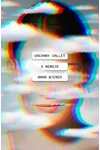
The Recommended Starting Point: Uncanny Valley (2020)
For almost every reader, the absolute best place to begin is Uncanny Valley (2020). This memoir is Wiener's signature work. It chronicles her transition from a low-paid assistant at a Manhattan literary agency to a startup employee in the booming, chaotic tech scene of San Francisco during the mid-2010s. Written with razor-sharp irony and deep self-reflection, it captures the surreal nature of the tech gold rush, corporate surveillance, and the startup bubble without ever naming the specific companies she worked for (such as Mixpanel and GitHub).
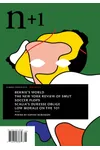
The Deep Dive: n+1 Issue 25 (2020 / 2016)
After finishing the memoir, readers interested in the evolution of Wiener’s style should seek out her contributions to the literary magazine n+1, specifically n+1 Issue 25: Slow Burn. Her viral 2016 essay "Girl, Disrupted"—which served as the direct precursor and proof-of-concept for Uncanny Valley—was published here. Reading this piece provides a fascinating look at the raw, initial draft of the themes she would later expand into her full-length book.
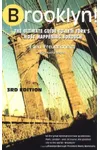
The Completionist Oddity: Brooklyn! The Ultimate Guide (1999)
If you want to read everything Wiener has ever published, you will have to travel back to 1999 for Brooklyn! The Ultimate Guide to New York's Most Happening Borough. Co-authored with her mother, Ellen Freudenheim, when Wiener was just a teenager, this guidebook offers a youthful perspective on Brooklyn’s neighborhoods, cafes, and bookstores. It is a stark departure in tone and subject matter from her tech journalism, but it serves as a charming artifact of her early writing life in New York.
Publication Order of Books
If you prefer to read Wiener’s published book-length works in the order they hit the shelves, the list is straightforward:
- Brooklyn! The Ultimate Guide to New York's Most Happening Borough (1999) – Co-authored with Ellen Freudenheim.
- Uncanny Valley (2020) – Solo memoir and cultural critique.
Chronological Order and Caveats
While there is no complex narrative continuity to worry about, understanding the chronological flow of her life and career helps put these works in perspective:
- Early Life (Late 1990s): Her contributions to the Brooklyn guidebook represent her teenage years growing up in New York.
- The Startup Years (2013–2018): The events detailed in Uncanny Valley occur during her mid-20s in Silicon Valley.
- The Writing & Journalism Era (2016–Present): This begins with her viral essay in n+1 and continues through her current role as a tech correspondent for The New Yorker.
What to Know Before You Start
Before diving into Wiener’s tech critique, keep the following in mind:
- The Unnamed Giants: In Uncanny Valley, Wiener intentionally avoids naming major tech corporations, startups, or key figures. Instead, she refers to them by descriptive pseudonyms (e.g., "the search-engine giant" or "the open-source coding platform"). Deciphering these descriptions is half the fun for readers familiar with Silicon Valley history.
- Tone and Style: Wiener's writing is literary, introspective, and heavily steeped in irony. It is less of a sensationalist expose and more of a coming-of-age story about complicity, ambition, and disillusionment.
- Journalistic Work: Beyond her books, a significant portion of Wiener's best writing is published in The New Yorker. Reading her weekly or monthly columns is highly recommended for anyone who finishes Uncanny Valley and wants up-to-date commentary on modern technology, AI, and digital culture.