


The Recommended Starting Point
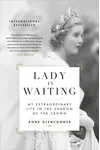
For the best reading experience, you should start with Anne Glenconner’s debut memoir, Lady in Waiting: My Extraordinary Life in the Shadow of the Crown. This book serves as the foundational text for her entire bibliography. It introduces readers to her upbringing at Holkham Hall, her role in the 1953 coronation of Queen Elizabeth II, and her decades of service to Princess Margaret. Understanding the real-world events of her life is essential because her subsequent memoirs expand on these details, and her mystery novels are directly inspired by the locations she lived in, such as the private island of Mustique and the grand estate of Holkham.
Anne Glenconner Memoirs and Non-Fiction in Order
Glenconner’s non-fiction works compile her personal recollections, life lessons, and royal anecdotes. While they can be read independently, reading them in order of publication allows you to follow her narrative voice as she shares increasingly intimate details of her life. Here is the publication order of her non-fiction books:
- Lady in Waiting: My Extraordinary Life in the Shadow of the Crown (2019)
- Whatever Next?: Lessons from an Unexpected Life (2022)
- Lady Glenconner's Picnic Papers (Originally published in 1983; expanded and updated edition released in 2024)
- Manners and Mischief: An A–Z of Royal Tales and Surprising Wisdom from Princess Margaret's Lady in Waiting (2025)
Each non-fiction book serves a distinct purpose. Lady in Waiting is a broad chronological memoir. Whatever Next? focuses heavily on resilience, coping with trauma, domestic abuse, and family grief. Lady Glenconner's Picnic Papers, which she co-edited with Susanna Johnston, is a lighthearted collection of stories and recipes centered around outdoor dining. Manners and Mischief organizes her advice, royal protocols, and personal memories alphabetically into an accessible, anecdotal guidebook.
Anne Glenconner Standalone Novels in Order
In addition to her memoirs, Glenconner wrote two mystery novels. These books are technically standalones and feature different settings and plots, but they should be read in publication order to appreciate how she develops her fictional storytelling style. Both novels are heavily grounded in her real life, utilizing settings she knows intimately:
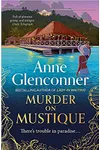
ol>Murder on Mustique is a classic whodunit set on the Caribbean island that Glenconner and her husband Colin Tennant transformed into a celebrity hotspot. A Haunting at Holkham is a historical mystery and ghost story that alternates between World War II and the 1950s, using her childhood home of Holkham Hall as its atmospheric backdrop.
Chronological vs. Publication Order Caveats
If you prefer a chronological approach to her non-fiction, the timeline is slightly different from the publication order. Lady Glenconner's Picnic Papers was originally compiled in 1983, decades before she wrote her main memoirs. However, because the 2024 edition is heavily updated and expanded with modern reflections, it is best read after her primary memoirs. Lady in Waiting covers the span of her early childhood to the 2000s, whereas Whatever Next? acts as a reflective companion piece, jumping back and forth to address specific life lessons and emotional struggles not fully detailed in the first book. Manners and Mischief serves as a late-career summation, making it the natural endpoint for her non-fiction timeline.
What to Know Before You Start
Before diving into Anne Glenconner’s bibliography, it is helpful to understand the context of her writing. She began her career as a published author in her late 80s, primarily writing Lady in Waiting to offer a warmer, more personal counter-narrative to the public portrayals of Princess Margaret. Her style is conversational and matches the tone of an aristocratic storyteller sharing secrets over tea. Despite the glittering royal backdrops, her books deal with heavy themes, including domestic violence, the loss of her children, and navigating her husband's volatile behavior. Readers should expect a mix of high-society glamour and raw, survival-focused vulnerability.