



Where to Start with Anne Lamott
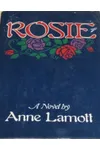
Anne Lamott has built a dedicated following by writing with refreshing vulnerability about faith, recovery, parenting, and the creative process. Because her work is split between fiction and deeply personal non-fiction, readers often wonder where to begin. The best starting point depends entirely on what you are looking for. For aspiring writers and those seeking life wisdom, her classic writing guide Bird by Bird is the undisputed entry point. If you want to experience her signature candid parenting style, start with the memoir Operating Instructions. For those interested in her fiction, the novel Rosie introduces her most famous recurring characters and serves as the best gateway to her novels.
The Rosie Ferguson Trilogy
While most of Anne Lamott's novels are standalone stories, she wrote a beloved three-part series centered on the life of Rosie Ferguson, her mother Elizabeth, and their family. Although these novels can be read independently, reading them in chronological order allows you to watch Rosie grow from a young child into a troubled teenager, offering the most rewarding narrative arc.
- Rosie (1983): The trilogy begins here, introducing Elizabeth Ferguson, a single mother struggling with the grief of losing her husband and her battle with alcoholism, alongside her quirky, bright young daughter, Rosie.
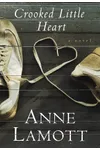
- Crooked Little Heart (1997): The story picks up with Rosie as an adolescent. She has developed into a highly competitive, state-ranked tennis player, navigating the intense pressures of the sport and the moral complexities of growing up.
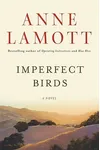
- Imperfect Birds (2010): The final installment follows a seventeen-year-old Rosie as she enters her final year of high school. The novel explores the heavy strains on the family as Rosie struggles with drug abuse, lies, and the painful transition to adulthood.
The Motherhood and Family Journals
Lamott's non-fiction works are famously conversational and diary-like. Two of her memoirs are directly connected, following the life of her son, Sam, across two generations. Reading these two books back-to-back offers an extraordinary look at family dynamics and aging.
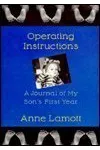
- Operating Instructions: A Journal of My Son's First Year (1993): A raw, hilarious, and honest look at Lamott's first year as a single mother. She documents the sleep deprivation, the financial anxieties, her recovery journey, and the absolute joy of raising her newborn son, Sam.
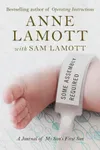
- Some Assembly Required: A Journal of My Son's First Son (2012): Co-authored with her son Sam, this sequel picks up nearly two decades later. Now nineteen, Sam has a son of his own named Jax. The memoir captures Lamott's transition into grandmotherhood and Sam's perspective on becoming a young father.
The Spiritual Journey and Faith Memoirs
Lamott is widely celebrated for her essays on faith and spirituality. She writes from a progressive, non-traditional Christian perspective, blending doubt, hope, and humor. Her spiritual memoirs are best read in order of publication, as they document her evolving outlook on life, aging, and grace over the decades.
The Core Faith Trilogy
- Traveling Mercies: Some Thoughts on Faith (1999): The foundational book of her spiritual writings, detailing her conversion, her struggles with addiction, and how she finds grace in everyday moments.
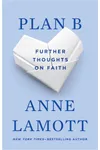
- Plan B: Further Thoughts on Faith (2004): Written during a time of political and personal anxiety, this follow-up explores how to maintain hope and faith when life does not go according to plan.
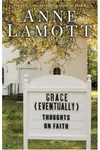
- Grace (Eventually): Thoughts on Faith (2007): The third installment focuses on the difficult work of forgiveness, dealing with difficult people, and finding grace in unexpected places.
Later Reflections on Hope and Love
Lamott continued her spiritual essay collections with several thematic volumes that expand on her earlier memoirs:
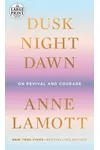
- Dusk, Night, Dawn: On Revival and Courage (2021): Written in her sixties, this book addresses how to find courage and hope in a modern world facing climate anxiety and political division.
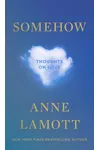
- Somehow: Thoughts on Love (2024): Her recent collection focuses on the transformative power of love in all its forms, from romantic partnerships to friendships and community.
The Short Wisdom and Pocket Guides
Starting in 2012, Lamott began publishing shorter, thematic non-fiction books. These pocket-sized guides focus on specific spiritual themes and do not need to be read in any particular order, though reading them chronologically is a common preference.
- Help, Thanks, Wow: The Three Essential Prayers (2012): A short exploration of the three basic prayers she relies on to get through daily life.
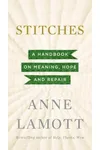
- Stitches: A Handbook on Meaning, Hope, and Repair (2013): A guide on how to rebuild and find meaning after suffering a loss or tragedy.
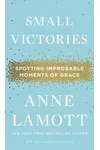
- Small Victories: Spotting Improbable Moments of Grace (2014): A collection of essays celebrating the small, often overlooked triumphs of daily life.
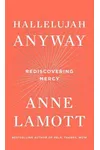
- Hallelujah Anyway: Rediscovering Mercy (2017): An examination of the concept of mercy and why it is essential for human connection.
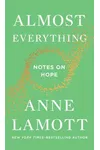
- Almost Everything: Notes on Hope (2018): A brief, comforting compilation of truths and insights about staying hopeful in difficult times.
Standalone Novels and Creative Writing
Outside of her series and spiritual memoirs, Lamott has written several standalones that showcase her range as a novelist, as well as her most famous work on the craft of writing.
- Hard Laughter (1980): Her debut novel, written during her father's battle with brain cancer, capturing a family using humor to cope with terminal illness.
- Joe Jones (1986): A novel set in a cozy California cafe, focusing on a tight-knit community of eccentric staff and regulars.
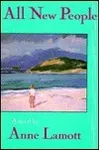
- All New People (1989): A nostalgic story about a girl growing up in Northern California during the social upheaval of the 1960s and 70s.
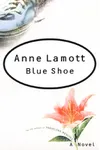
- Blue Shoe (2002): A family drama centering on a divorced mother who uncovers long-held family secrets while dealing with her mother's dementia.
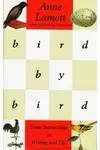
- Bird by Bird: Some Instructions on Writing and Life (1994): Part writing guide, part memoir, this remains Lamott's most popular and enduring book, loved by writers for its practical advice on tackling projects 'bird by bird' (one step at a time).