






Recommended Reading Path: Where to Start
With a career spanning over two decades and more than forty novels, British author Anne Rundle established herself as a master of gothic romance and historical fiction. Because she published under multiple names, it can be daunting to decide where to begin. Here is the recommended path to dive into her atmospheric worlds:
- For the Ultimate Series Experience: Start with Echoing Yesterday (1983). This kicks off The Island Series, her only recurring saga. It is set on the rugged Isle of Man and follows interconnected characters through family storms, secrets, and romance.
- For Award-Winning Standalones: Begin with her award-winning works published under the name Joanne Marshall. Cat on a Broomstick (which won the Romantic Novel of the Year Award in 1970) and Flower of Silence (winner of the same award in 1971) showcase her peak ability to balance suspense and emotional depth.
- For Her Literary Roots: Read The Moon Marriage (1967), her debut novel that won the Netta Muskett Award for new writers. It provides the perfect introduction to her style, mixing historical English backdrops with dramatic romantic tension.
The Island Series: Reading Order and Structure
Published in the early 1980s under her popular pseudonym Alexandra Manners, The Island Series is Anne Rundle’s signature contribution to serialized historical fiction. Set against the atmospheric backdrop of the Isle of Man, the books should be read in publication order to appreciate the chronological progression of the families and characters involved.
- Echoing Yesterday (1983): The series begins with the tragic story of Clemence Kinrade, who is orphaned after a violent sea storm claims her family. Taken in by her beloved uncle Jesse, her life is upended by the arrival of Jesse's wild young fiancée. The entry of Luke Karran introduces a dark, menacing romantic focus that sets the tone for the series' generational conflicts.
- Karran Kinrade (1983): The second book shifts focus to Karran Kinrade, a headstrong young woman who inherits the wild spirit of her gypsy father. Sheltered by the kind John Howard, Karran struggles against her heritage and the class divisions of the island, leading to a passionate, tumultuous romance.
- The Red Bird (1984): The third volume continues the saga, carrying forward the dramatic themes of domestic survival and class struggles on the Isle of Man. It adds further layers of historical detail and regional folklore.
- The Gaming House (1984): The concluding novel finds Karran Kinrade abandoned at the coastal estate of Ravensdowne, pregnant and waiting for her lover's return. Protected only by her late husband’s name, she must navigate the jealousy of the local islanders in a suspenseful finale.
Decoding the Pseudonyms of Anne Rundle
One of the most important things for readers to understand before collecting Anne Rundle's books is her extensive use of pen names. Rundle adopted different identities to write for different publishers and satisfy the high demand for her work during the paperback boom of the 1970s and 1980s. When hunting down her novels in library catalogs or used bookstores, look for these names:
- Alexandra Manners: Used primarily for her historical family sagas, including The Island Series, as well as gothic novels like Candles in the Wood and Sable Hunter.
- Joanne Marshall: The name under which she won her major awards, including the Netta Muskett Award for The Moon Marriage and two Romantic Novel of the Year awards for Cat on a Broomstick and Flower of Silence.
- Marianne Lamont: Reserved for highly emotional historical dramas and gothic mysteries, such as Dark Changeling, Bitter Bride-Bed, and Nine Moons Wasted.
- Jeanne Sanders & Georgianna Bell: Used for smaller runs of romantic fiction and short stories.
Publication Order of Standalone Novels
Rundle’s standalone novels are entirely self-contained. While they do not share characters or settings, reading them in publication order allows you to see how her style evolved from traditional mid-century romance into more complex, dark gothic narratives. Note that many of these titles were originally published under pseudonyms but have been reprinted under her real name or cross-listed in modern databases.
- The Moon Marriage (1967)
- Dragonscale (1969)
- Forest of Fear (1969)
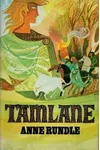
- Tamlane (1970)
- Rakehell (1970)
- Bitter Bride-Bed (1971)
- Wild Boar Wood (1972)
- Lost Lotus (1972)
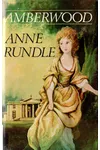
- Amberwood (1973)
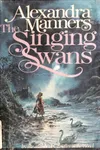
- The Singing Swans (1975)
- Valley Of The Tall Chimneys (1975)
- Last Act (1976)
- Sable Hunter (1977)
- Judith Lammeter (1977)
- Cardigan Square (1977)
- The Peacock Bed (1978)
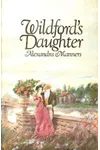
- Wildford's Daughter (1978)
- Grey Ghyll (1979)
- Moonbranches (1986)
Chronological vs. Publication Order & Reading Caveats
For the vast majority of Anne Rundle's bibliography, reading order is a matter of personal preference. Her standalone novels can be enjoyed in any sequence since they share no narrative tissue. However, for The Island Series, publication order acts as the chronological order. Because characters age, marry, and pass their legacies to the next generation, reading the books out of order will spoil major plot points, particularly the resolution of Karran Kinrade's romantic dilemmas between the second and fourth books.
Readers should also be aware of a common cataloging issue: because Rundle's pen names (especially Joanne Marshall and Alexandra Manners) have been shared by later, unrelated authors, some online database listings mistakenly mix modern romance novels or academic works into Rundle's classic mid-century bibliography. Stick to books published between 1967 and 1989 to ensure you are reading Rundle's original work.
What to Know Before You Start
Anne Rundle's fiction is characterized by its intense atmospheric settings, frequently drawing inspiration from her own childhood in Northumberland and the rugged landscapes of the Anglo-Scottish border. Readers should expect slow-burn romances blended with elements of suspense, family secrets, and the occasional touch of the supernatural. While her novels fit within the classic gothic romance traditions of the 1970s, her focus on resilient, proud heroines like Karran Kinrade and Clemence Kinrade gives her work a timeless, enduring appeal that transcends the era in which it was written.