




Where to Start Reading Anne Zouroudi
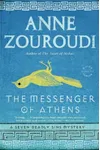
If you are ready to embark on a journey to the timeless, atmospheric islands of Greece, the best place to begin is at the very beginning with The Messenger of Athens (2007). This debut novel perfectly introduces the enigmatic protagonist, Hermes Diaktoros—frequently referred to as "the fat man"—and establishes the series' signature blend of classic detective work, moral philosophy, and mythological undertones.
However, because Anne Zouroudi designed each mystery to function as a self-contained story, you do not strictly need to read them in chronological or publication order. Each book transports Hermes to a new location with a completely fresh cast of characters, and his own background remains delightfully mysterious throughout. If a particular setting or theme catches your eye, you can safely jump in anywhere without feeling lost.
The Greek Detective Series in Publication Order
The core of Zouroudi’s work is the Greek Detective series, also known as the Seven Deadly Sins Mysteries. The first seven books in the series are explicitly themed around the traditional seven deadly sins, examining how these human failings disrupt small, isolated communities. The series expanded with an eighth full-length novel and subsequent short fiction.
1. The Messenger of Athens (2007) – Lust
The debut novel introduces readers to Hermes Diaktoros when he arrives on the remote island of Thiminos. Ostensibly there to investigate the suspicious death of a young woman named Irini, Hermes soon uncovers a web of desire, control, and societal pressure. The book establishes his signature look: pristine white tennis shoes, a dapper suit, and an uncanny ability to gather information.
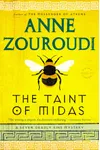
2. The Taint of Midas (2008) – Greed
Set in the fertile, olive-growing regions of Greece, this second installment deals with the theme of avarice. When a local olive-press owner and close friend of Hermes is found dead, the detective steps in to expose how greed has corrupted the local community and driven someone to commit murder.
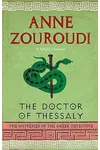
3. The Doctor of Thessaly (2009) – Envy
Hermes travels to the mainland peninsula of Thessaly to investigate a highly respected local doctor who has suddenly been accused of medical malpractice. As Hermes digs deeper, he reveals a poisonous undercurrent of professional jealousy and community envy that threatens to destroy lives.
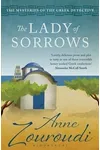
4. The Lady of Sorrows (2010) – Wrath
This mystery revolves around the discovery of a valuable, potentially miraculous religious icon. When the icon is stolen and a murder occurs, Hermes must navigate deep-seated family feuds and historical grievances, demonstrating how unchecked anger and vengeance can ruin generations.
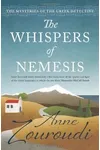
5. The Whispers of Nemesis (2011) – Pride
Set against the uncharacteristic backdrop of a freezing Greek winter in a mountain village, this novel tackles the theme of hubris. The suspicious death of a wealthy, proud elderly woman forces Hermes to examine the destructive pride of the town's elite and the chilling secrets they keep.
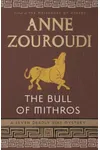
6. The Bull of Mithros (2012) – Sloth
On the historic island of Mithros, an archaeological discovery and the influx of modern tourism create a backdrop of apathy and moral inertia. Hermes investigates a tragedy that highlights how negligence, laziness, and the refusal to act can be just as deadly as active malice.
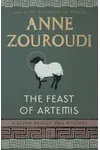
7. The Feast of Artemis (2013) – Gluttony
The final book in the explicit Seven Deadly Sins cycle takes place during a bountiful olive harvest. Amid celebrations of food, wine, and abundance, a local dispute boils over into violence, forcing Hermes to dissect how overindulgence and excess pave the road to crime.
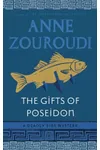
8. The Gifts of Poseidon (2016)
While the sins cycle concluded with the seventh book, Zouroudi returned to her beloved sleuth for an eighth novel. In this story, Hermes investigates the mysterious drowning of a deep-sea diver, exploring themes of maritime myth, family secrets, and the power of the sea.
Short Stories, Novellas, and Anthologies
Beyond the core novels, Zouroudi has published shorter works that expand on Hermes' adventures or explore different settings:
- Short Sentence (2013): A crime anthology published by Bloomsbury featuring short stories by five prominent writers, including a contribution from Zouroudi.
- Still Waters (2014): A standalone Greek Detective short story. It follows Hermes Diaktoros as he investigates a disgraced government minister whose heavy drinking has made him the target of a murder plot.
- Swan's Lament (2015): A departure from Greece, this standalone gothic ghost story is set in the misty Cambridgeshire fens during the 1950s. It showcases Zouroudi's versatility, drawing on her British heritage to deliver a chilling tale of grief and the supernatural.
- The Demons of December (2018): A festive short story featuring Hermes Diaktoros. Seeking a quiet winter escape on a quiet island, the detective is inevitably drawn into a local mystery.
Chronological vs. Publication Order Caveats
Because the Greek Detective novels do not rely on an overarching seasonal plot or heavy character development for the protagonist, the chronological order of the stories is effectively identical to their publication order. The character of Hermes Diaktoros is deliberately kept timeless and almost mythic—resembling the messenger god Hermes in his sudden arrivals and departures. Consequently, readers do not need to worry about continuity issues. You can read the books in publication order to appreciate Zouroudi’s growth as a writer, or jump around based on which sin or setting interests you most.
What to Know Before You Start
Zouroudi’s mysteries are often described as modern-day fables. While they contain the classic elements of cozy crime—quaint settings, local gossip, and an eccentric detective—they also carry a darker, more philosophical edge. The author lived in Greece for many years and married a local fisherman, which gives her writing an authentic, unromanticized depth. She does not shy away from the harsh realities of rural Greek life, combining beautiful descriptions of food and landscapes with sharp observations of human nature.