








Where Should You Start Reading Anthony Burgess?
With over thirty novels, symphonies, and works of non-fiction, Anthony Burgess was a powerhouse of 20th-century literature. Because his styles vary wildly—ranging from experimental wordplay to dry colonial satire—where you begin depends entirely on what kind of reader you are.
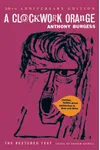
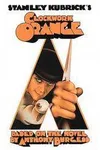
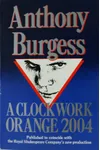
For Dystopian and Linguistic Enthusiasts: Start with A Clockwork Orange (1962). It is his most famous work, famous for its invented teenager slang 'Nadsat' and its deep exploration of free will. It is short, punchy, and provides the ultimate introduction to his linguistic acrobatics.
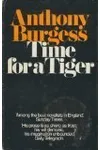
For Comic and Satirical Readers: Start with Time for a Tiger (1956), the first book in his Malayan Trilogy (later compiled as The Long Day Wanes). Drawing heavily on Burgess's own experiences in the British Colonial Service, it offers a hilarious, sharp, and empathetic look at the twilight of the British Empire in Southeast Asia.
For Lovers of Epic Masterpieces: If you want a massive, sweeping narrative, head straight to Earthly Powers (1980). Often considered by critics to be his absolute masterpiece, this sprawling novel covers the moral, political, and cultural shifts of the 20th century through the eyes of an aging, famous homosexual writer.
The Long Day Wanes: The Malayan Trilogy Reading Order
Written during the decline of British rule in Malaya, this trilogy tracks the misadventures of history teacher Victor Crabbe. The books are direct continuations of each other and must be read in publication order:
- Time for a Tiger (1956) – We meet Victor Crabbe as he struggles with the heat, local politics, and his eccentric, alcohol-loving colleague Nabby Adams.
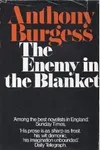
- The Enemy in the Blanket (1958) – Crabbe's career moves to another post in Malaya, where colonial tensions and marital issues begin to escalate.
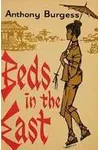
- Beds in the East (1959) – The final volume captures the atmosphere of imminent independence as Crabbe tries to foster local cultural talent before the British depart.
The Enderby Quartet Reading Order
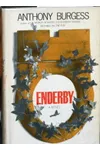
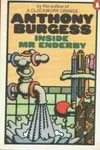
The Enderby series centers on Francis Xavier Enderby, a dyspeptic, anti-social poet who gets his best inspiration while sitting on the toilet. It is a brilliant, comic satire on the role of the artist in modern society. Read them in this order:
- Inside Mr. Enderby (1963) – Introduced to the world under Burgess's pseudonym Joseph Kell, this novel introduces us to Enderby's bizarre, isolated life before he is thrust into an ill-fated marriage.
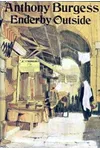
- Enderby Outside (1968) – Now working under the alias 'Hogg' as a barman, Enderby gets framed for a high-profile shooting and flees to Tangier.
- The Clockwork Testament, or Enderby’s End (1974) – Enderby finds himself teaching at a university in New York, defending his poetry and art against a hostile, media-obsessed public.
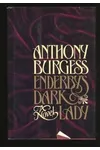
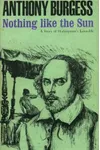
- Enderby’s Dark Lady, or No End to Enderby (1984) – The final meta-fictional installment where Enderby writes a play about William Shakespeare and falls in love.
Note on the Pseudonym: Burgess published the first novel under the pen name Joseph Kell. Amusingly, he reviewed his own book anonymously for the Yorkshire Post, praising it. When the paper's editor discovered that Joseph Kell was actually Burgess, he was promptly fired.
A Clockwork Orange: US vs. UK Editions and the 21st Chapter
If you are planning to read A Clockwork Orange, you need to understand the infamous editorial history surrounding its final chapter. The novel was originally structured with exactly 21 chapters—symbolizing the traditional transition to adulthood at age 21. In this final chapter, the anti-hero Alex grows tired of mindless violence and decides to settle down and start a family.
However, when the book was first published in the United States, publisher W.W. Norton insisted on cutting the 21st chapter, believing American audiences preferred a darker, unredeemed ending. This truncated 20-chapter version was what Stanley Kubrick adapted for his iconic 1971 film. Burgess was deeply frustrated by this change, as it removed the moral core of the novel: the capacity for human growth and redemption. Modern editions have restored the 21st chapter, which is the version Burgess intended you to read.
What to Know Before You Start
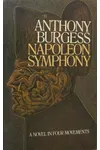
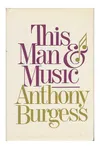
Burgess was not just a novelist; he was a highly accomplished classical composer. He often structured his prose like music. For instance, Napoleon Symphony (1974) is structured directly after Beethoven's Eroica Symphony. When reading his books, pay close attention to the rhythm and sound of his sentences. He loved puns, multilingual jokes, and challenging vocabulary. Keep a dictionary nearby, embrace the rhythm, and do not get discouraged if some references fly over your head on the first pass.