




Where to Start Reading Anthony Marra
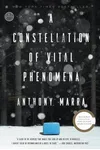
For readers new to Anthony Marra, the best starting point is his stunning debut novel, A Constellation of Vital Phenomena (2013). This novel perfectly introduces his signature literary style: a blend of deep, heart-wrenching historical tragedy, rich human connections, and unexpected flashes of dry, absurd humor. It showcases his ability to weave complex timelines together while keeping the reader deeply grounded in the emotional lives of his characters.
If you prefer shorter fiction or want a taste of his style before committing to a full novel, start with The Tsar of Love and Techno (2015). This collection functions like a literary mixtape, featuring interconnected stories that build a larger narrative arc. Because the characters and settings reappear across different decades, it offers the immersive depth of a novel with the brisk pace of short fiction.
Anthony Marra Books in Publication Order
Because Anthony Marra’s major books are standalone works, reading them in order of publication is highly recommended. This allows you to experience his evolution as a writer, moving from the war-torn landscapes of Chechnya to the historical canvas of Soviet Russia, and finally to the cinematic world of 1940s Hollywood.
1. Standalone Novels
- A Constellation of Vital Phenomena (2013): Set over five days in December 2004 in a rural Chechen village, this debut novel tells the story of an eight-year-old girl named Havaa, her neighbor Akhmed, and Sonja, a battle-hardened trauma surgeon. Through their struggle to survive during the Second Chechen War, Marra explores decades of history, showcasing how tiny acts of love and sacrifice ripple through generations.
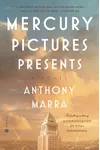
- Mercury Pictures Presents (2022): Marra’s second novel shifts focus to the golden era of 1940s Hollywood. It follows Maria Lagana, an Italian immigrant working as an associate producer at Mercury Pictures, a struggling studio filled with European exiles, artists, and propagandists. The book is a witty, sweeping look at wartime propaganda, personal reinvention, and the cost of escaping one's past.
2. Connected Story Collections
- The Tsar of Love and Techno (2015): An extraordinary collection of nine interconnected short stories that span from 1937 Siberia to a post-Soviet space station in the mid-2000s. The stories are linked by recurring characters, art pieces, and a shared atmosphere of Soviet and post-Soviet absurdity and longing.
Chronological Order and Universe Caveats
While Anthony Marra has not written a traditional multi-book series, his works contain fascinating internal structures and chronological overlaps that reward close reading.
The Tsar of Love and Techno Chronology
Although published in 2015, the stories within The Tsar of Love and Techno are arranged in a non-linear, mixtape-like format (Sides A and B, with a track list). Chronologically, the events stretch across nearly seventy years of Russian history:
- 1930s (Stalinist Purges): "The Leopard" follows a government censor who airbrushes condemned dissidents out of official photographs.
- 1940s–1980s (Soviet Era): Stories like "Grand-Aunt Leopoldina" and "The Tsar of Love and Techno" trace the downstream consequences of these historical erasures, following characters to labor camps in Kirovsk and the bleak landscapes of Siberia.
- 1990s–2000s (Post-Soviet Transition & Chechen Wars): Stories like "A Prisoner of the Caucasus" and "The Art of the Double-Agent" connect directly to the conflicts in Chechnya, linking the themes of this collection to the setting of Marra's first novel.
The Chechen War Connection
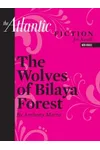
Marra's early short story, The Wolves of Bilaya Forest (2010), served as a vital precursor to his debut novel. Originally published in The Atlantic, this short fiction explores the same bleak, snow-dusted forests of Chechnya that form the backdrop of A Constellation of Vital Phenomena. While it can be read as a standalone piece, readers of the debut novel will recognize the thematic DNA and atmospheric tension that Marra later expanded into his bestselling book.
Multi-Author Series: The Inheritance Collection
In 2019, Anthony Marra contributed to the Inheritance Collection, a digital-first series of short stories commissioned by Amazon Original Stories. It is important to note that this is a multi-author anthology series exploring the theme of family secrets. Readers often look for these works under Marra's name, but he is only responsible for one entry:
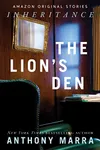
- The Lion's Den (2019): Written by Anthony Marra (Book 3). This darkly comedic story centers on a young man who returns home to face his father, a notorious government whistleblower, after publishing a tell-all memoir.
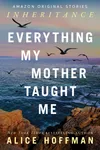
- Everything My Mother Taught Me (2019): Written by Alice Hoffman (Book 1).
- Can You Feel This? (2019): Written by Julie Orringer (Book 2).
- Zenith Man (2019): Written by Jennifer Haigh (Book 4).
- The Weddings (2019): Written by Alexander Chee (Book 5).
Anthology Contributions and Rarer Pieces
For completionists, Marra has published several short stories and essays in prominent literary journals and curated anthologies:
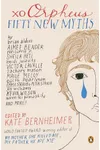
- xo Orpheus: Fifty New Myths (2013): Marra contributed "The Last Flight of Daedalus," a modern retelling of the classic Greek myth focusing on Daedalus's grief following the loss of Icarus.
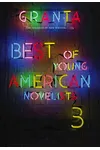
- Granta 139: Best of Young American Novelists 3 (2017): Featured as one of the country's best young novelists under the age of 40, Marra contributed a piece to this prestigious showcase.
- McSweeney's #49: Cover Stories (2017): In this issue dedicated to literary covers and retellings, Marra published a modernization of Edgar Allan Poe's "The Tell-Tale Heart," translating the narrator's obsession into the digital age of iPhones, Tinder, and cloud storage.
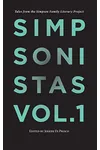
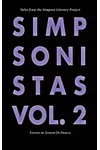
- Simpsonistas (Vol. 1, 2018 & Vol. 2, 2019): Published by the New Literary Project, these annual anthologies feature contributions from Marra, who won the organization's Joyce Carol Oates Prize.
What to Know Before You Start
Anthony Marra's books are highly research-intensive. He spent years reading Russian history, studying maps, and even visiting Chechnya to ensure the cultural and historical details of his settings were authentic. While his subjects are often heavy—such as Stalinist purges, wartime trauma, and forced labor camps—his writing is never purely depressing. He balances these dark themes with a deep belief in human connection, making his books ultimately hopeful and deeply moving.