
Recommended Reading Path
Although Anuk Arudpragasam has written standalone novels that can technically be read in any order, the best way to experience his work is in publication order. This sequence follows a natural chronological progression of the Sri Lankan Civil War's timeline—moving from the active, visceral trauma of the final days of the conflict to the quiet, reflective grief of its aftermath.
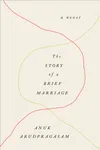
- The Story of a Brief Marriage (2016) – Set during the final phase of the Sri Lankan Civil War, focusing on immediate survival.
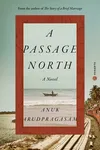
- A Passage North (2021) – Set years after the war, focusing on memory, trauma, and the psychological impact of the conflict on those who observed it from a distance.
Publication Order of Standalone Novels
Anuk Arudpragasam's bibliography currently consists of two highly acclaimed standalone novels. Because he writes deep, character-driven literary fiction rather than serialized plots, each book stands completely on its own.
- The Story of a Brief Marriage (2016) – Spanning a single day in a temporary refugee camp, this debut novel chronicles the lives of Dinesh and Ganga as they are pushed into a sudden arranged marriage while facing constant artillery shelling.
- A Passage North (2021) – Longlisted and subsequently shortlisted for the 2021 Booker Prize, this novel follows Krishan as he travels by train from Colombo to the war-torn Northern Province for the funeral of his grandmother's former caretaker, meditating on love, longing, and the scars of war along the way.
Chronological vs. Thematic Reading Guidance
Since these novels do not share characters or a continuous plotline, you do not have to worry about narrative continuity. However, there is a clear thematic progression that makes reading them in order highly rewarding:
1. The War Experience (The Story of a Brief Marriage)
This novel places you directly inside the conflict zone. The focus is microscopic, examining the physical realities of survival, bodily functions, and the fragile attempt to establish human intimacy under the threat of imminent death. Reading this first establishes the visceral gravity of the war's final days.
2. The War's Aftermath (A Passage North)
This novel acts as a reflective companion. It shifts the perspective to the postwar era and to an protagonist who did not directly experience the worst of the physical violence but carries the immense psychological weight of the war's aftermath. Having the vivid imagery of the first book fresh in your mind makes Krishan's reflections in the second book feel much more profound and concrete.
What to Know Before You Start
Before diving into Arudpragasam's work, it helps to understand his unique literary style. Influenced by modernist giants like Virginia Woolf and Thomas Bernhard, as well as his own background in philosophy (having earned a PhD in philosophy from Columbia University), Arudpragasam writes with exceptionally long, winding sentences and dense, introspective paragraphs. His books focus less on rapid plot progression and more on the minute-by-minute operations of the human mind. If you appreciate slow-paced, philosophical, and deeply descriptive prose, you will find his work immensely rewarding.