









































Where to Start with Arnold Bennett
For readers new to Arnold Bennett, diving straight into his massive bibliography of over seventy works can feel a bit daunting. Fortunately, you do not need to read his works in a strict chronological sequence from start to finish. Bennett wrote across multiple genres—from gritty social realism to lighthearted thrillers he called "fantasias"—meaning the best starting point depends on what kind of story you are in the mood for.
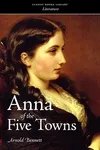
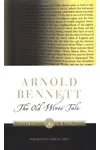
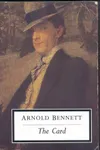
If you want to experience Bennett at the height of his powers, start with his undisputed realist masterpiece, The Old Wives' Tale (1908). It is a standalone novel that traces the lives of two sisters from their youth in the industrial Potteries to old age, capturing the passage of time with incredible empathy and detail. If you prefer a shorter entry point to get a feel for his famous setting, start with Anna of the Five Towns (1902). It is a poignant, tightly focused drama about duty, religion, and money that perfectly sets the stage for his larger literary universe. For those who want something light, humorous, and fast-paced, the comic novel The Card (1911) is the perfect introduction to Bennett’s lighter side.
The Five Towns Universe
The defining achievement of Arnold Bennett’s career is his series of works set in the "Five Towns"—a fictionalized version of the Staffordshire Potteries (the modern city of Stoke-on-Trent) where Bennett grew up. Although Stoke-on-Trent actually consists of six towns (Tunstall, Burslem, Hanley, Stoke, Fenton, and Longton), Bennett chose to rename them and merge them into five for his stories: Turnhill, Bursley, Hanley, Knype, and Longshaw (leaving out Fenton).
These books are not a single connected storyline; instead, they are set in the same smoky, industrial landscape and share a common atmosphere. You can read most of them as standalones, but reading them in order of publication allows you to watch Bennett's portrayal of the region grow richer and more mature. Here is the recommended publication order for the main Five Towns novels and collections:
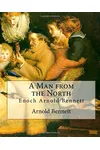
- A Man from the North (1898) – Bennett's debut novel, heavily autobiographical, detailing a young man's escape from the Potteries to London.
- Anna of the Five Towns / Cupid and Commonsense (1902) – A classic realist study of provincial constraints. (Bennett later adapted this into the play Cupid and Commonsense).
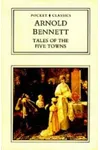
- Tales of the Five Towns (1905) – The first collection of short stories set in the region.
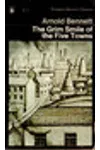
- The Grim Smile of the Five Towns (1907) – A second collection of short stories showcasing Bennett's wry humor.
- The Old Wives' Tale (1908) – Bennett's most famous and acclaimed novel, showing the contrast between provincial life and cosmopolitan Paris.
- The Card / Denry the Audacious (1911) – A lighthearted, comic story following the rise of Denry Machin. (Published in the U.S. as Denry the Audacious).
- The Matador of the Five Towns (1912) – A third short story collection featuring some of his best provincial sketches.
- The Old Adam / Married Life / The Regent (1913) – The sequel to The Card, following Denry Machin's adventures in London theater. (Known as The Regent in the UK and The Old Adam in the US).
The Clayhanger Family Saga
While the Five Towns novels are generally standalone, Bennett wrote one core multi-volume family saga within this universe: The Clayhanger Family. Often referred to as a trilogy, it is technically a tetralogy following the life of Edwin Clayhanger, his relationship with the mysterious Hilda Lessways, and the lives of their family members.
For this series, you should absolutely stick to the publication order to avoid spoiling major plot developments. The first two novels actually cover the same time period but from different perspectives before the narrative moves forward in the final two books:
- Clayhanger (1910) – Focuses on Edwin Clayhanger's youth, his struggle against his domineering father, and his growing infatuation with Hilda.
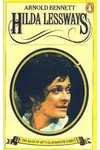
- Hilda Lessways (1911) – Tells the story from Hilda's perspective, explaining her mysterious absences and background during the events of the first book.
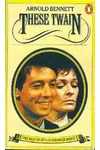
- These Twain (1915) – Explores the complexities and compromises of Edwin and Hilda’s married life back in the Five Towns.
- The Roll-Call (1918) – Follows Hilda's son, George Cannon, as he pursues a career as an architect in London. (Note: While our local database lists this reprint date as 1975, it was originally published in 1918).
Arnold Bennett's "Fantasias" (Sensational Thrillers)
Bennett was a highly practical writer who balanced his serious literary realism with what he called "fantasias on modern themes"—fast-paced, sensational adventure novels written primarily for commercial success and pure entertainment. These books feature high-society mysteries, grand hotels, international conspiracies, and romantic escapades. Because they do not feature recurring characters or continuous plotlines, they can be read in any order. The publication order is as follows:
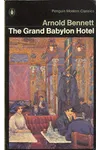
- The Grand Babylon Hotel / T. Racksole and Daughter (1902)
- The Gates of Wrath (1903)
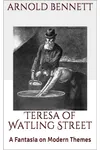
- Teresa of Watling Street (1904)
- Hugo (1906)
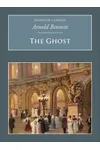
- The Ghost (1907)
- The City of Pleasure (1907)
- The Vanguard / The Strange Vanguard (1927)
Standalone Novels & Acclaimed Highlights
Outside of the Potteries and his fantasias, Bennett wrote several major standalone novels. The most significant among these is Riceyman Steps (1923), set in the Clerkenwell area of London. It is a brilliant, dark study of a miserly secondhand bookseller and won the prestigious James Tait Black Memorial Prize for Fiction. Another notable late-career standalone is Imperial Palace (1930), a massive and incredibly detailed novel set inside a luxury London hotel, reflecting Bennett's lifelong fascination with hotel management and high society.
What to Know Before You Start
Bennett was heavily influenced by French naturalist writers like Guy de Maupassant and Émile Zola, which is why his realist novels focus so closely on the detailed, everyday struggles of ordinary people. Virginia Woolf famously criticized Bennett and other Edwardian realists (coining the term "Edwardian" vs "Georgian") for focusing too much on external details rather than internal psychology. However, modern readers often find that Bennett's focus on the mundane details of shopkeeping, domestic budgets, and regional accents is exactly what makes his historical world feel so alive, warm, and authentic.