


Where to Start with Arundhati Roy
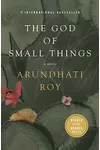
For most readers, the absolute best place to start is with her brilliant debut novel, The God of Small Things (1997). This masterpiece won the Booker Prize and remains one of the most celebrated works of modern fiction. It showcases Roy’s signature lyrical prose style and introduces themes of caste, societal taboos, and personal trauma that reverberate throughout all of her subsequent work.
Once you have experienced her debut, your reading path depends on what you want to explore next:
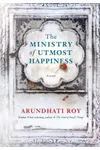
- If you want more fiction: Move directly to her second novel, The Ministry of Utmost Happiness (2017). Published twenty years after her debut, it is a sprawling, fragmented, and deeply moving portrayal of marginalized lives across India and the conflict in Kashmir.
- If you want to understand the author behind the books: Read her memoir, Mother Mary Comes to Me (2025). This personal work details her unconventional upbringing in Kerala and her complex relationship with her mother, Mary Roy, providing vital biographical context for her novels.
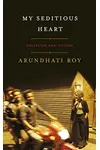
- If you want to dive into her political activism: Pick up My Seditious Heart (2019). While categorized under standalone books in some databases, this massive collection compiles over two decades of her political essays and serves as the ultimate compendium of her non-fiction work. Alternatively, the shorter collection Azadi: Freedom. Fascism. Fiction. (2020) offers a more concise entry point into her contemporary political critiques.
Fiction and Memoir
Arundhati Roy has focused her creative energy on a select few long-form narratives, prioritizing depth and emotional precision over high output. Here is a closer look at these core titles:
The God of Small Things (1997)
Set in Kerala, India, this semi-autobiographical debut tells the story of fraternal twins, Rahel and Estha, and the tragic consequences of breaking the "Love Laws"—rules that dictate who should be loved, and how, and how much. The story is told in a rich, non-linear fashion, blending lush imagery with a devastating critique of the caste system and post-colonial Indian society.
The Ministry of Utmost Happiness (2017)
Unlike her tight debut, Roy’s second novel is an expansive, panoramic journey that travels from the cramped quarters of Old Delhi to the war-torn valleys of Kashmir. It weaves together the lives of Anjum, a transgender woman (hijra) who builds a guest house in a cemetery, and S. Tilottama, a rebellious architect caught in a web of political conflict. It is a complex, challenging read that rewards patience.
Mother Mary Comes to Me (2025)
Released in September 2025, this memoir is Roy's first book-length work of personal non-fiction. It explores her childhood, her escape from domestic constraints, and the legacy of her mother, a prominent women's rights advocate. It acts as a bridge between the semi-autobiographical elements of her first novel and her lifelong political activism.
Navigating the Non-Fiction and Essays
Roy is as famous for her political activism as she is for her fiction. Over the years, she has published dozens of booklets, pamphlets, and essay collections challenging global capitalism, dam construction, military occupations, and Hindu nationalism. Navigating these works can be tricky because many of her essays have been compiled, re-released, and expanded across different editions.
If you want to tackle her non-fiction systematically, the most efficient route is to read My Seditious Heart (2019), which collects almost all of her essays from 1998 through 2018, including major pieces originally published in The Cost of Living, Power Politics, and Listening to Grasshoppers. For her writings post-2018, transition to Azadi (2020), which focuses on the rise of authoritarianism and the role of the writer in times of crisis.
Complete Publication Order
For readers who prefer to witness the evolution of her political thoughts and literary style alongside global events, reading in order of publication is highly recommended. Below is the complete list of her works divided by category.
Standalone Novels and Memoirs
- The God of Small Things (1997)
- The Ministry of Utmost Happiness (2017)
- My Seditious Heart (2019) — Note: While structurally an essay compilation, this serves as a landmark standalone retrospective of her non-fiction career.
- Mother Mary Comes to Me (2025) — Memoir
Non-Fiction Books and Essay Collections
- The Cost of Living (1999) — Focuses on the Narmada dam projects and India's nuclear testing.
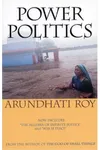
- Power Politics (2000)
- War Is Peace (2001)
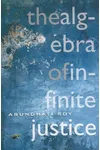
- The Algebra of Infinite Justice (2002) — A foundational collection criticizing the "War on Terror" and globalization.
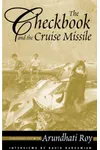
- The Checkbook and the Cruise Missile (2003) — Conversations with David Barsamian.
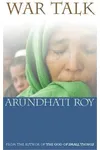
- War Talk (2003)
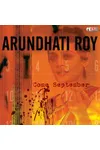
- Come September (2004)
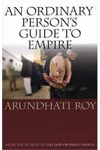
- An Ordinary Person's Guide to Empire (2004)
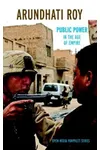
- Public Power in the Age of Empire (2004)
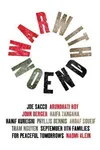
- War With No End (2007)
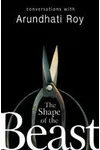
- The Shape of the Beast (2008) — Interviews exploring her views on democracy, empire, and resistance.
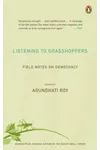
- Listening To Grasshoppers: Field Notes on Democracy (2009)
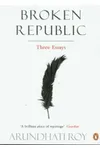
- Broken Republic: Three Essays (2011) — Focuses on the tribal rebellions in Central India.
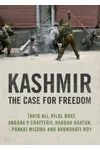
- Kashmir: The Case for Freedom (2011) — Co-authored essay collection.
- Walking with the Comrades (2011) — An eye-witness account of her time spending days with Maoist guerrillas in the forests of Chhattisgarh.
- The Hanging of Afzal Guru and the Strange Case of the Attack on the Indian Parliament (2013)
- Capitalism: A Ghost Story (2014) — Examines the dark side of corporate philanthropy and globalization in India.
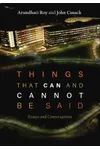
- Things that Can and Cannot Be Said (2016) — Co-authored with John Cusack, detailing their meetings with Edward Snowden in Moscow.
- The End of Imagination (2016)
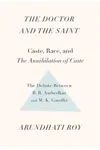
- The Doctor and the Saint: Caste, Race, and Annihilation of Caste (2017) — A critical comparison of B.R. Ambedkar and Mahatma Gandhi.
- Azadi: Freedom. Fascism. Fiction. (2020) — Reflections on language, translation, and rising fascism.
Anthologies and Interventions
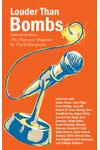
- Louder than Bombs: Interviews from The Progressive Magazine (2004)
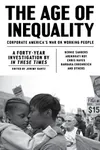
- The Age of Inequality (2017)
- Writers: Their Lives and Works (2018)
What to Know Before You Start
Arundhati Roy does not write simple stories. Her fiction is deeply political, and her political essays are crafted with the voice of a novelist. Here are a few tips to keep in mind before you read:
- Non-Linear Timelines: Both of her novels reject chronological storytelling. They jump back and forth in time, building thematic echoes rather than linear suspense. If you feel confused early on, keep reading—the fragments eventually fall into place.
- Deep Activist Roots: To fully appreciate her work, it helps to understand that she does not view art and politics as separate. Her novels are populated by characters who are directly impacted by state violence, environmental destruction, and structural bigotry.
- A Companion Guide to Caste: If you find yourself struggling with the social dynamics in The God of Small Things, reading her introductory essay The Doctor and the Saint provides invaluable historical context regarding the caste system and the struggles of Dalit communities in India.