


Where to Start Reading A.S. Byatt
Dame A.S. Byatt (Antonia Susan Byatt, 1936–2023) was one of the most formidable intellects in modern British literature. Her work is famous for blending dense academic themes, art history, fairy tales, and deep emotional realities. Because her work spans massive historical epics, complex literary puzzles, and slim volumes of fairy tales, finding the right entry point can be daunting.
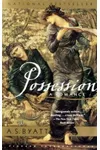
For the vast majority of readers, the best starting point is Possession: A Romance (1990). This Booker Prize-winning novel is her most famous work and serves as a perfect introduction to her style. It functions as both a literary detective story and a double romance, alternating between two modern scholars and the two Victorian poets they are researching. It is accessible, thrilling, and displays her talent for pastiche, as she wrote dozens of original "Victorian" poems and letters specifically for the book.
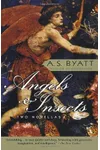
If you prefer a shorter introduction, start with the novella collection Angels and Insects (1992). The book consists of two mid-length stories, "Morpho Eugenia" and "The Conjugial Angel," which explore Victorian science, spiritualism, and sexuality. It provides all of Byatt’s trademark intellectual depth in a much quicker, highly engaging format.
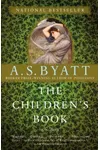
For readers who love sprawling, multigenerational family sagas, The Children's Book (2009) is another excellent starting point. Set in the Edwardian era, it follows a group of interconnected artistic families up to the outbreak of World War I, charting the transition from golden-age idealism to modern tragedy.
The Frederica Quartet (The Potter Quartet)
While most of Byatt's novels are standalones, her most significant recurring sequence is the Frederica Quartet. This series must be read in publication order to track the growth, education, and career of its central protagonist, Frederica Potter, alongside the changing social landscape of mid-century Britain.
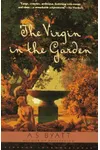
- The Virgin in the Garden (1978): Set in 1953 against the backdrop of the coronation of Queen Elizabeth II, introducing the intellectual Potter family in Yorkshire.
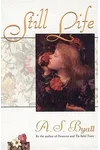
- Still Life (1985): Follows Frederica to Cambridge University in the mid-1950s, contrasting her academic journey with her sister Stephanie's domestic life.
- Babel Tower (1996): Set in the radical, tumultuous 1960s, focusing on Frederica's unhappy marriage, a bitter custody battle, and a controversial obscenity trial.
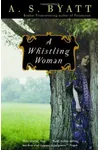
- A Whistling Woman (2002): Concludes the quartet in the late 1960s, wrapping up the lives of the characters against the rise of counterculture, academic reform, and new scientific movements.
The quartet is highly rewarding but demanding, filled with philosophical debates, literary references, and historical analysis. Reading them out of order is not recommended, as the emotional weight relies on witnessing Frederica's development from a precocious teenager into a mature woman.
The Standalone Novels: History, Myth, and Sibling Rivalry
Outside of the Frederica Quartet, Byatt wrote several standalone novels that cover vast thematic territory:
The Shadow of the Sun (1964/1994)
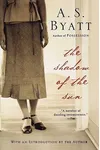
Byatt's debut novel was originally published under the title Shadow of a Sun in 1964. It follows a young woman struggling to establish her own identity under the shadow of her brilliant, domineering novelist father. It was revised and reissued as The Shadow of the Sun in 1994.
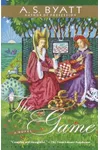
The Game (1967)
Her second novel centers on the toxic, competitive relationship between two highly educated sisters—one an Oxford academic and the other a popular novelist. This book is widely recognized for mirroring the real-life lifelong sibling rivalry between Byatt and her sister, the famous novelist Margaret Drabble. Drabble publicly took offense to the book, calling it a "mean-spirited" portrayal, which contributed to their long-term personal estrangement.
The Biographer's Tale (2000)
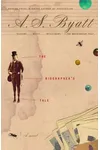
A playful, academic mystery about a disillusioned postgraduate student who decides to write the biography of a biographical writer, leading him down a rabbit hole of fragment files and missing details.
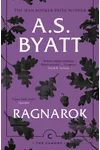
Ragnarok: The End of the Gods (2011)
Written as part of the international Canongate Myth Series, this short novel retells the Norse myth of Ragnarok. Byatt frames the ancient myths through the eyes of a young, sickly girl evacuated to the English countryside during World War II, showing how stories of destruction help the child process the real-world terror of war.
Short Story Collections and the 2011 "Storycuts" Confusion
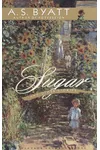
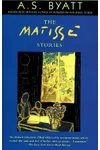
A.S. Byatt was a master of the short story, frequently using the format to explore myths, fairy tales, and the visual arts. Her collections include Sugar and Other Stories (1987), The Matisse Stories (1993), The Djinn in the Nightingale's Eye (1994), and Little Black Book of Stories (2003).
Readers looking at online reading orders are often confused by three specific entries listed in 2011: Raw Material, A Stone Woman, and The Thing in the Forest. These are not new stand-alone books. They were originally published as short stories inside her 2003 collection, Little Black Book of Stories. In 2011, the publisher Vintage Digital re-released these individual stories as standalone digital e-books under their "Storycuts" line. If you own the Little Black Book of Stories, you already have all three of these stories.
What to Know Before You Start
Byatt’s writing is intensely detailed and demands active participation from the reader. Here are a few tips to help you navigate her work:
- Expect Mixed Media: Byatt frequently inserts letters, poems, academic essays, and fairy tales directly into the middle of her novels. These are not fluff; they are vital to the themes and plots of the books.
- Adaptations: If you find the books heavy going, watching the film adaptations can provide a helpful visual entry. Possession was adapted into a 2002 film starring Gwyneth Paltrow, and the novella "Morpho Eugenia" from Angels and Insects was adapted into an acclaimed 1995 film of the same name.
- Standalone vs. Series: Except for the Frederica Quartet, all of her novels and short story collections are self-contained and can be read in any order.