
The Recommended Reading Order for Baek Se-hee
For readers diving into the work of Baek Se-hee, the reading path is straightforward but essential. Because her primary works are deeply personal memoirs documenting a continuous real-life journey through therapy and self-discovery, they should be read in chronological order of their publication. Reading them out of order would disrupt the progression of her therapeutic journey and personal growth.
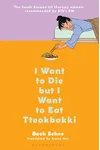
1. I Want to Die but I Want to Eat Tteokbokki (2018)
This is the definitive starting point. Structured as a series of 12-week therapy transcripts interspersed with personal essays, this debut memoir introduces readers to Baek's daily struggles with dysthymia (persistent depressive disorder), self-doubt, and relationships. It lays the emotional groundwork for everything that follows.
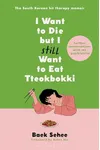
2. I Want to Die but I Still Want to Eat Tteokbokki: Further Conversations with My Psychiatrist (2019)
The direct sequel picks up where the first book left off, offering deeper and more complex conversations with her psychiatrist. It documents her continuing struggle to balance professional success, public attention, and persistent mental health challenges. This book should only be read after completing the first memoir, as it assumes familiarity with her history, her therapy goals, and her relationship with her doctor.
Publication Timeline (Korean vs. English Translation)
While the books were published in South Korea in quick succession, English-speaking readers experienced a different timeline due to translation schedules. Both volumes were translated into English by the acclaimed translator Anton Hur and published by Bloomsbury Publishing.
- I Want to Die but I Want to Eat Tteokbokki: Originally published in South Korea in 2018; translated and released in English in November 2022.
- I Want to Die but I Still Want to Eat Tteokbokki: Originally published in South Korea in 2019; translated and released in English in June 2024 (UK) and August 2024 (US).
Understanding Her Korean Anthologies and Co-Authored Works
Beyond her main two-part memoir series, Baek Se-hee contributed to collaborative essay collections in South Korea. As of 2026, these works have not been officially translated into English, but they represent a key part of her literary legacy for bilingual readers or those interested in her broader career:
- Nothing but Love and Freedom (사랑과 자유, 2020): An animal rights and advocacy anthology published by Munhakdongne. Baek contributed reflective essays alongside other writers, exploring empathy, boundaries, and our relationships with animals.
- Body Language (몸의 언어, 2021): An essay anthology published by Arte. This collection focuses on physical self-acceptance, body image, and how our physical experiences shape our emotional and mental health. Baek's contributions connect her ongoing themes of self-worth to bodily perception.
What to Know Before You Start
Before reading Baek Se-hee's books, it is helpful to understand the unique style and context of her writing:
- A Different Kind of Memoir: Unlike traditional narratives, Baek’s memoirs consist largely of dialogue transcripts. You are reading the literal back-and-forth between her and her psychiatrist, capturing the raw, unedited, and sometimes repetitive nature of real therapy.
- Dysthymia vs. Major Depression: Baek struggles with dysthymia (persistent depressive disorder), which she describes as a state of feeling "not fine but not devastated." The books focus on the subtle, ongoing exhaustion of chronic mild depression rather than acute crises, making it highly relatable to readers who struggle with functioning through low moods.
- Cultural Impact and Celebrity Endorsements: The debut book became an indie publishing phenomenon in South Korea before exploding globally, aided in part by high-profile recommendations from K-pop stars, most notably RM of BTS.
- Author's Legacy: Baek Se-hee passed away on October 16, 2025, at the age of 35. Following her death, she saved five lives through organ donation. Her memoirs stand as a lasting, courageous effort to dismantle the stigma surrounding mental health therapy in East Asia and beyond.