

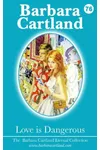
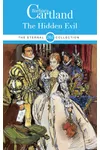
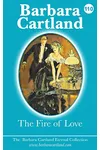
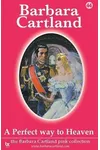



Where to Start: The Recommended Reading Path
With 723 novels published during her lifetime and a staggering total of over 750 million copies sold, Barbara Cartland is the undisputed "Queen of Romance." However, because she wrote at a dizzying pace and focused almost exclusively on standalone historical romance novels, there is no single chronological storyline to follow. You can pick up almost any Barbara Cartland book and read it in isolation without missing a single plot point.
For readers who want a structured entry point, the best place to start is with her rare multi-book series: the Saga of Hearts. This two-book series features some of her most celebrated and enduring work:
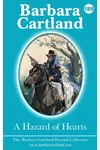
- A Hazard of Hearts (1949) – Widely considered Cartland's masterpiece, this Regency-era romance follows Serena Carstairs, a gambler's daughter who is won in a card game by the brooding Lord Vulcan. It is the perfect introduction to Cartland's signature tropes: an innocent, spirited heroine, a dark and cynical hero, and a high-stakes historical setting.
- A Duel of Hearts (1953) – The thematic follow-up to Hazard, tracing a glamorous debutante who flees her family's social pressures only to find herself embroiled in mystery and love at a secluded country estate.
If you enjoy the atmosphere of these books, you can also check out their highly popular television film adaptations from the late 1980s, which helped cement their status as her signature works.
Understanding the Major Collections
Rather than traditional chronologically-linked series, the vast majority of Cartland's output is organized into large publishers' collections and estate branding categories. Understanding these groupings is key to finding the style of Cartland book you want to read next.
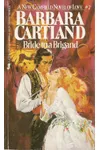
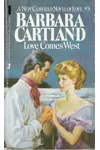
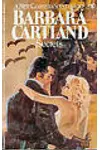
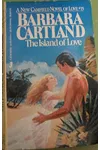
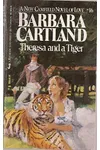
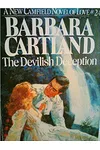
The Camfield Novels of Love
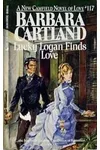
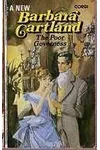
Published between 1980 and 1996, the Camfield Novels of Love consists of 150 standalone historical romance novels. The collection is named after Cartland's beloved country estate, Camfield Place, in Hertfordshire. These books represent the absolute peak of her formulaic writing style: chaste, highly moral, historically researched stories of love conquering all. Key titles in this collection include Lucky Logan Finds Love (1980), The Poor Governess (1982), and A Caretaker of Love (1986).
The Pink Collection (Posthumous Releases)
When Barbara Cartland passed away in 2000, she left behind a massive archive of unpublished manuscripts. Beginning in 2004, her son Ian McCorquodale began publishing these works posthumously as The Pink Collection. Spanning 160 books (such as The Prince Who Wanted Love and A Paradise on Earth), this collection features stories dictated by Cartland in her later years. They retain her classic style and are highly prized by collectors for keeping her legacy alive well into the 21st century.
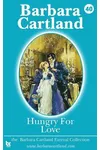
The Eternal Collection
For readers looking to dive into her back catalog, The Eternal Collection is a massive reissue campaign of Cartland's classic 20th-century novels. Because these books are re-released in a different order than their original publication, the numbering on these editions (e.g. #1 through #176) refers only to their reissue order. You do not need to read them in numerical order; they are entirely standalone works.
What to Know Before You Start: Cartland's Unique Style
Before jumping into Cartland's world, it helps to understand the context of her writing process and tone:
- The Chaste Formula: Unlike modern romance novels, Cartland's stories are strictly chaste. The romance is emotional, dramatic, and focused on pure love, ending with a wedding and the promise of a happily-ever-after.
- Dictation Method: Cartland did not type her novels. Instead, she dictated them from a couch surrounded by her dogs, sometimes producing up to 7,000 words a day. This allowed her to finish a novel in just two weeks, resulting in her famously high output.
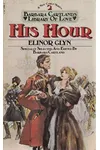
- Co-Authorship & Introductions: Cartland did not write collaborative novels. However, she did curate a series called "Barbara Cartland's Library of Love." These are classic romance novels written by other authors (such as Elinor Glyn) that Cartland selected, edited, and wrote introductions for.
- Pseudonyms: Some of her works were originally published under her married name, Barbara McCorquodale. These feature the same classic style and can be read interchangeably with her main bibliography.