
Where to Start Reading Barbara Gowdy
Barbara Gowdy is one of Canada’s most daring and empathetic literary voices. Known for her lyrical prose and her fearless exploration of characters living on the margins of conventional society, she writes novels that are completely standalone. Because there are no continuous character arcs or sequential plotlines connecting her works, you can read them in any order you choose. However, depending on your personal tastes, there are a few standout entry points that showcase her unique style.
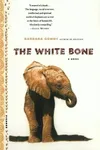
The Most Popular Entry Point: The White Bone (1998)
If you want to experience Gowdy at her most imaginative and critically acclaimed, start with The White Bone. This extraordinary novel is written entirely from the perspective of African elephants. Specifically, it follows a young, orphaned elephant named Mud and her herd as they search for the mythical "White Bone," which they believe will lead them to a safe haven away from poachers and devastating drought. Gowdy spent years researching elephant behavior and communication, creating a rich cosmological universe complete with its own mythology, vocabulary, and social hierarchy. It is a heartbreaking, majestic, and completely original read that represents Gowdy's voice at its peak.
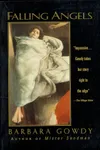
For Dark Comedy and Family Drama: Falling Angels (1989)
If you prefer domestic dramas with a dark, humorous twist, your best starting point is Falling Angels. Set in suburban Ontario during the 1960s, the novel follows three sisters—Norma Jean, Sandy, and Lou—as they navigate childhood and adolescence under the shadow of their deeply dysfunctional parents (an eccentric, alcoholic father and a mother haunted by a tragic past). The book is both hilarious and devastating, capturing the absurdities and traumas of mid-century suburban life. It remains one of Gowdy's most beloved books and was adapted into a feature film in 2002.
For Character-Driven Devotion: The Romantic (2003)
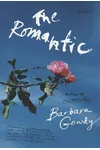
If you enjoy sweeping, emotionally intense stories about love, loss, and obsession, begin with The Romantic. Longlisted for the Man Booker Prize, this novel centers on Louise Kirk, a young girl abandoned by her mother who becomes obsessively devoted to her neighbor, Abel. The story tracks Louise's life over several decades as she seeks to fill the void left by her mother through her intense, often painful connection to Abel. It is a beautifully written exploration of grief, the nature of memory, and the lengths to which we go to feel loved.
Publication Order of Barbara Gowdy’s Books
While reading in publication order is not required to understand her stories, it does offer a fascinating look at how Gowdy’s willingness to push literary boundaries evolved over three decades. Here is the chronological sequence of her published works:
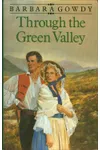
1. Through the Green Valley (1988)
Gowdy’s debut novel is a historical romance set in nineteenth-century England. Gowdy has since distanced herself from this book, occasionally referring to it as "earnest" and "cringe-worthy" compared to the unique literary style she established immediately afterward. As a result, it is often difficult to find in print and is usually sought out only by completionists.
2. Falling Angels (1989)
Her sophomore effort marks the true beginning of her signature style, blending dark humor, deep empathy, and a keen eye for the bizarre realities of family life.
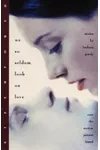
3. We So Seldom Look on Love (1992)
Gowdy's sole short story collection features tales of individuals with unusual bodies or desires, including a female embalmer who feels an intimate connection with corpses. The title story was famously adapted into the controversial indie movie Kissed (1996).
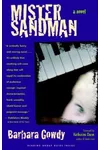
4. Mister Sandman (1995)
This quirky and compassionate family saga centers on the eccentric Canary family and their silent, autistic daughter, Joan. Joan possesses a genius for classical music, playing the piano in secret and expressing the hidden feelings of the chaotic family members surrounding her.
5. The White Bone (1998)
A masterpiece of anthropomorphic fiction, this novel shifts the focus from human outcasts to the animal kingdom, presenting a devastating look at the impact of poaching and ecological collapse through the eyes of the elephants themselves.
6. The Romantic (2003)
A return to human drama, focusing on a lifelong obsession and the psychological scars of childhood abandonment.
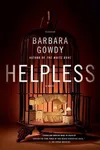
7. Helpless (2007)
A gripping, suspenseful novel set in Toronto during a summer blackout. It follows the abduction of a beautiful nine-year-old girl by an obsessive but otherwise ordinary man. The book generated significant discussion for its complex, empathetic portrayal of both the victim's mother and the abductor.
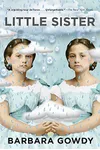
8. Little Sister (2017)
Gowdy's most recent novel introduces a supernatural element. It follows Rose Bowan, a Toronto cinema owner who begins to inhabit the body of another woman during thunderstorms, using her out-of-body experiences to explore unresolved grief over the death of her sister and her mother's declining memory.
What to Know Before You Start
Before diving into Barbara Gowdy’s bibliography, it helps to understand her thematic signature. Gowdy does not shy away from taboo or uncomfortable topics. Whether she is writing about necrophilia in her short stories, child abduction in Helpless, or bodily dissociation in Little Sister, her goal is always to foster empathy for characters that society might easily dismiss or demonize. Her writing is marked by a unique blend of surrealism and grounded psychological realism, meaning you should be prepared for sudden shifts from everyday domestic details to magical or shocking situations. If you are sensitive to themes of family trauma, animal death, or psychological distress, you may want to tread carefully, but readers who appreciate brave, compassionate, and beautifully styled fiction will find her work immensely rewarding.