



How to Navigate the Interconnected "Pym-World"
At first glance, Barbara Pym’s novels seem like independent, self-contained slices of mid-20th-century English life. However, Pym was a master of what enthusiasts call "onionizing" her stories. She built a shared universe where characters from previous novels pop up in the background of subsequent books, offering quiet updates on their lives without the need for formal sequels.
For example, Mildred Lathbury, the beloved protagonist of Excellent Women, makes a brief cameo and is mentioned in Jane and Prudence and Less Than Angels, confirming her post-novel marriage to Everard Bone. Similarly, the formidable academic helper Esther Clovis appears in Excellent Women, Less Than Angels, An Unsuitable Attachment, and is remembered after her death in both A Few Green Leaves and An Academic Question. To experience these Easter eggs and witness the organic growth of Pym's social circles, reading her novels in original publication order is highly recommended.
The Best Starting Points
If you are picking up Barbara Pym for the first time, you have two primary entry points depending on your reading preferences:
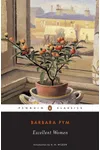
- The Quintessential Start: Excellent Women (1952). Widely considered her masterpiece, this is the absolute best introduction to Pym’s wit. It establishes the "excellent woman" archetype—spinster daughters of clergymen who quietly keep society running while observing the romantic follies of others with dry, sympathetic humor.
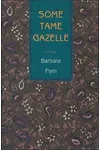
- The Chronological Start: Some Tame Gazelle (1950). This was Pym's debut novel, though it was based on manuscripts she began drafting in her Oxford days during the 1930s. It offers a gentler, more rural introduction to her style, focusing on two middle-aged sisters living in a village dominated by local clerics.
Barbara Pym's Novels in Publication Order
Pym's publishing history is divided into two distinct eras by a long period of rejection—her famous "wilderness years." Reading in publication order lets you track this dramatic shift in tone from sunny post-war optimism to late-career introspection.
The Golden Era (1950–1961)
These early novels represent Pym's classic comedy of manners phase. They are light, deeply funny, and set in a world of church bazaars, tea parties, and mild eccentricities.
- Some Tame Gazelle (1950) – The debut introducing the parish-bound sisters Harriet and Belinda Bede.
- Excellent Women (1952) – Mildred Lathbury navigates the arrival of glamorous new neighbors in London.
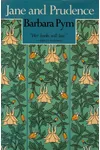
- Jane and Prudence (1953) – Contrasts the lives of an eccentric vicar's wife and her glamorous, looking-for-love former student.
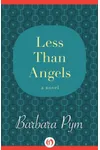
- Less Than Angels (1955) – A satire focusing on the quirks and egos of academic anthropologists.
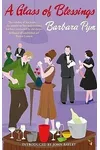
- A Glass of Blessings (1958) – Wilmet Forsyth, a bored but well-meaning housewife, searches for purpose and romance.
- No Fond Return of Love (1961) – A charming story of indexers, researchers, and unrequited affection in the suburbs.
The Late Masterpieces (1977–1980)
After being rediscovered in 1977 by Philip Larkin and Lord David Cecil in the Times Literary Supplement, Pym returned to print with a darker, more poignant, and deeply reflective tone.
- Quartet in Autumn (1977) – A Booker Prize-nominated masterpiece tracking four elderly office workers facing retirement and isolation.
- The Sweet Dove Died (1978) – A chilly, sophisticated study of an elegant middle-aged woman's obsession with a younger man.
- A Few Green Leaves (1980) – Published posthumously, this final novel returns to a rural village, blending her early comedy with a mature reflection on modernization and mortality.
Posthumous Novels and Writing Chronology
Several of Pym’s novels were published posthumously, which can confuse readers looking at publication dates alone. To understand her development, it is helpful to look at when these books were actually written:
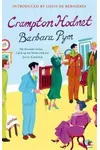
- Crampton Hodnet (Written 1939–1940, Published 1985) – Written before her debut but left unpublished in her lifetime, this high-spirited comedy set in North Oxford serves as an excellent companion to her early works.
- An Unsuitable Attachment (Written 1963, Published 1982) – This novel was famously rejected by Jonathan Cape in 1963, triggering Pym's 16-year absence from the publishing world. It is a transition piece that bridges her early humor with her later, more cynical style.
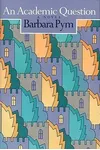
- An Academic Question (Written 1970–1972, Published 1986) – Drafted during her wilderness years, Hazel Holt edited and prepared this manuscript for publication after Pym's death. It satirizes university life and the academic race for prestige.
Short Stories and Personal Writings
For dedicated fans who want to complete their journey, Pym's minor works offer valuable autobiographical context:
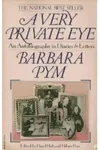
- A Very Private Eye (1984) – A collection of Pym's personal diaries, notebooks, and letters that reveal the real-life romances and heartbreaks behind her fiction.
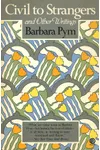
- Civil to Strangers and Other Writings (1988) – Contains early, unfinished novels (including the title piece written in the late 1930s), short stories, and radio broadcasts.