
Where to Start with Barry Lancet
If you are looking to dive into the pulse-pounding, cross-cultural thrillers of Barry Lancet, the best path is straightforward: start at the very beginning with his debut novel, Japantown. Lancet's books are highly serialized, following the personal and professional evolution of his protagonist, Jim Brodie. Watching Brodie navigate the complex, high-stakes collision between American grit and Japanese tradition is half the joy of the series, and starting from the first book ensures you do not miss any crucial character development or overarching narrative threads.
Jim Brodie is a fascinating protagonist: a San Francisco-based antiques dealer who also happens to be a licensed private investigator. More importantly, he has inherited a Tokyo-based security and investigation firm from his father. Fluent in Japanese and trained in martial arts, Brodie is the ultimate cultural insider-outsider, making him the perfect guide through the shadowy alleys of Tokyo and the historic neighborhoods of California.
Jim Brodie Series in Recommended Reading Order
Barry Lancet's primary body of work consists of his Jim Brodie novels. Because the series relies on a continuous timeline and evolving personal relationships (particularly Brodie's relationship with his young daughter, his late wife's memory, and his security team in Tokyo), you should read them in order of publication.
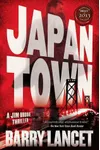
1. Japantown (2013)
The book that started it all, Japantown, introduces us to Jim Brodie in the wake of a horrific tragedy. When a family is executed in broad daylight in San Francisco's Japantown, the local police are baffled by a single clue left behind: a piece of paper marked with a mysterious Japanese kanji symbol. Brought in as an art and culture consultant, Brodie quickly realizes the murders are connected to the same shadowy syndicate that killed his wife years ago. The investigation forces him to return to Tokyo, confronting demons from his past and a highly sophisticated conspiracy. The novel won the Barry Award for Best First Novel and was optioned for television by J.J. Abrams.
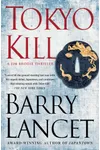
2. Tokyo Kill (2014)
In the second installment, Lancet shifts the primary setting to the neon-lit, rain-slicked streets of Tokyo. An elderly veteran of World War II approaches Brodie’s Tokyo security firm for protection. What begins as a seemingly straightforward defense job spirals into a deadly hunt for historical wartime secrets and treasures stolen during Japan’s occupation of China. Brodie finds himself targeted by a ruthless Chinese Triad faction, forcing him to dig deep into military history, ancient rivalries, and the psychological scars of the war.
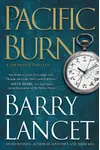
3. Pacific Burn (2016)
Taking place in the tense aftermath of the 2011 Fukushima nuclear disaster, Pacific Burn throws Brodie into a web of international corporate espionage and political maneuvering. When a famous Japanese artist and close friend of Brodie is targeted in a brutal attack, Brodie is pulled into a conspiracy involving the FBI, the CIA, and factions within the Japanese government. The novel masterfully details the cultural fallout of the nuclear disaster while delivering a fast-paced plot centering on art theft and nuclear security.
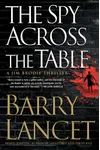
4. The Spy Across the Table (2017)
Brodie's fourth outing escalates the stakes to the highest levels of international espionage. After a double murder at the Kennedy Center in Washington, D.C., Brodie is recruited by the U.S. government to track down a highly elusive assassin. The trail leads him into a complex web of intelligence operations involving the United States, Japan, and China. As Brodie tries to prevent a geopolitical catastrophe, he must decide who he can trust when the lines between allies and enemies become completely blurred.
The Jim Brodie Short Stories and Anthologies
In addition to the main novels, Barry Lancet has contributed to the broader mystery community through short stories. Knowing where these fit will help you round out your reading list.
Three-Star Sushi (2018)
Originally published in the March/April 2018 issue of Down & Out: The Magazine (Volume 3), "Three-Star Sushi" is the first short story to feature Jim Brodie. This shorter, self-contained mystery finds Brodie handling a case in Japan's high-stakes culinary world. The story was highly acclaimed by crime fiction critics, earning nominations for the Shamus Award for Best P.I. Short Story, the Macavity Award for Best Mystery Short Story, and the Derringer Award for Best Novelette in 2019. It can be read at any point after the first novel, serving as a delightful standalone vignette.
Writers Crushing COVID-19 (2020)
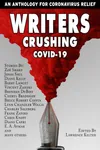
Lancet contributed a short story titled "Road Repairs" to this charitable anthology, which brought together dozens of thriller and mystery writers to raise money for pandemic relief efforts. While not a core entry in the Jim Brodie canon, it remains a notable piece of Lancet's shorter fiction.
Addressing the 'Aftershock' Bibliographical Mystery
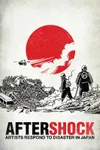
If you browse automated book-tracking websites, you will frequently see an anthology titled Aftershock published in 2011 listed under Barry Lancet's bibliography. However, this is a well-documented metadata error. Lancet’s official debut was Japantown in 2013, and he did not publish or edit a book titled Aftershock in 2011. The mix-up likely stems from the charitable anthologies published in the wake of the 2011 Tohoku earthquake (such as the Twitter-sourced book 2:46: Aftershocks). Because Lancet lived in Japan for 25 years and wrote extensively about Japan-related topics (including the nuclear disaster in Pacific Burn), automated databases accidentally cross-referenced the earthquake relief book with his author profile. Readers can safely ignore this entry when assembling their reading list.
What to Know Before You Start
What sets Barry Lancet's thrillers apart from standard detective fare is his extraordinary level of cultural authenticity. Lancet did not just visit Japan; he lived in Tokyo for more than 25 years, working as a senior editor at Kodansha International. During his editing career, he shaped books on Zen, martial arts, Japanese history, and traditional crafts. This deep immersion shines through on every page. You will learn about the intricate details of Japanese pottery, calligraphy, the philosophy of samurai heritage, and the concept of miyabi—an aesthetic virtue of elegance and refinement. If you appreciate mysteries that educate as much as they entertain, Lancet's work will be an incredibly satisfying experience.