

Starting Your Journey: Where to Begin
For over a century, Beatrix Potter's pocket-sized masterpieces have enchanted readers of all ages with their sharp wit, beautiful watercolors, and timeless rural charm. If you are introducing a young reader to her work or revisiting the Lake District yourself, there is one undisputed starting point: The Tale of Peter Rabbit (1902). This iconic story establishes the mischievous tone, the beautiful countryside setting, and the memorable stakes that define Potter's entire bibliography.
While the stories are largely standalone, reading them in a structured order enhances the experience. You will witness the growth of her characters, notice recurring village locations, and follow family lineages that cross over between tales. Below, we break down the core continuities and provide the definitive publication order for Potter's works.
The Core Rabbit Continuity: The Peter Rabbit & Benjamin Bunny Sequence
Although Potter did not write a standard sequential series, four of her books form a clear, direct narrative arc focused on the Rabbit family. To see these characters grow up and face escalating adventures, read them in this specific order:
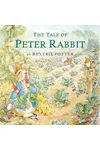
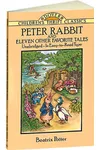
- The Tale of Peter Rabbit (1902): The classic adventure where young, disobedient Peter ignores his mother's warnings, loses his blue jacket, and barely escapes from Mr. McGregor's vegetable garden.
- The Tale of Benjamin Bunny (1904): A direct sequel to Peter's first adventure. Peter's bold cousin Benjamin Bunny leads him back into Mr. McGregor's garden to retrieve Peter's lost clothes. Here, we also meet Benjamin's father (Peter's uncle).
- The Tale of the Flopsy Bunnies (1909): Years have passed, and Benjamin Bunny has grown up and married Peter's sister, Flopsy. The story follows their large family of children (the Flopsy Bunnies) who fall asleep in Mr. McGregor's rubbish heap and must be rescued from becoming ingredients in a pie.
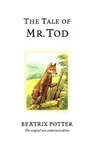
- The Tale of Mr. Tod (1912): The climax of the Rabbit family saga. When Benjamin and Flopsy's children are kidnapped by the dirty badger Tommy Brock, an adult Peter Rabbit teams up with his cousin Benjamin to rescue them from the house of the sinister fox, Mr. Tod. This story has a slightly darker, more mature tone compared to the early stories.
The Near Sawrey Universe: The Hill Top Farm Sequence
In 1905, using the royalties earned from her early successes, Beatrix Potter purchased Hill Top Farm in the Lake District village of Near Sawrey. This real-world farmhouse and its surrounding farmyards and gardens became the physical setting for several of her most beloved tales. Reading these books together allows you to experience the shared geography of her village life:
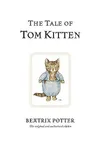
- The Tale of Tom Kitten (1907): Set in the beautiful cottage garden of Hill Top. It introduces the mischievous Tom Kitten and his long-suffering mother, Tabitha Twitchit, as they struggle to stay clean for visitors.
- The Tale of Samuel Whiskers or The Roly-Poly Pudding (1908): A direct sequel to Tom Kitten. Taking place inside the physical walls of Hill Top farmhouse, Tom Kitten climbs up the chimney and gets captured by the large rats, Samuel Whiskers and Anna Maria, who try to bake him into a pudding.
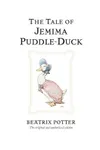
- The Tale of Jemima Puddle-Duck (1908): Set in the farmyard of Hill Top. This story follows the naive Jemima as she searches for a safe place to hatch her eggs, only to be tricked by a polite, bushy-tailed gentleman who is secretly a fox.
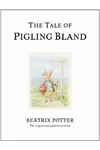
- The Tale of Pigling Bland (1913): Featuring the roads, hills, and paths around Near Sawrey, this book tells the story of two pigs on their way to market who attempt to escape to freedom.
The Complete 23 Tales in Publication Order
For readers who want to experience the evolution of Potter's writing and illustration style, reading in publication order is highly recommended. Aside from a private printing of Peter Rabbit in 1901, the core 23 books were officially published by Frederick Warne & Co. between 1902 and 1930:
- The Tale of Peter Rabbit (1902)
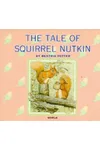
- The Tale of Squirrel Nutkin (1903)
- The Tailor of Gloucester (1903)
- The Tale of Benjamin Bunny (1904)
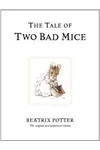
- The Tale of Two Bad Mice (1904)
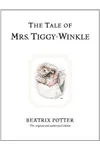
- The Tale of Mrs. Tiggy-Winkle (1905)
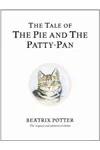
- The Tale of The Pie and The Patty-Pan (1905)
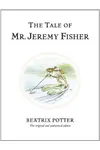
- The Tale of Mr. Jeremy Fisher (1906)
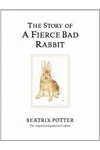
- The Story of A Fierce Bad Rabbit (1906)
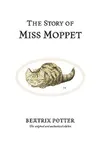
- The Story of Miss Moppet (1906)
- The Tale of Tom Kitten (1907)
- The Tale of Jemima Puddle-Duck (1908)
- The Tale of Samuel Whiskers or the Roly-Poly Pudding (1908)
- The Tale of the Flopsy Bunnies (1909)
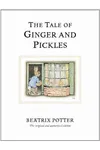
- The Tale of Ginger & Pickles (1909)
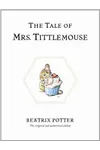
- The Tale of Mrs. Tittlemouse (1910)
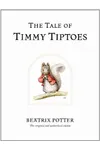
- The Tale of Timmy Tiptoes (1911)
- The Tale of Mr. Tod (1912)
- The Tale of Pigling Bland (1913)
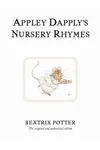
- Appley Dapply's Nursery Rhymes (1917)
- The Tale of Johnny Town-Mouse (1918)
- Cecily Parsley's Nursery Rhymes (1922)
- The Tale of Little Pig Robinson (1930)
Posthumous Discoveries and Modern Spin-Offs
The Beatrix Potter library extends beyond the classic 23 tales. Over the years, archives have yielded unfinished manuscripts and adaptations that have since been brought to light by publishers:
- The Tale of Kitty-in-Boots (Written 1914, Published 2016): Potter wrote this story in 1914 about a double-crossing black cat who lives a secret life as a hunter, but she never finished illustrating it. To celebrate the 150th anniversary of her birth, the manuscript was published in 2016 with new illustrations by the legendary Quentin Blake.
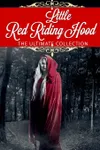
- Red Riding Hood (Retold in the early 1900s, Published 2019): Potter wrote a translation and adaptation of Charles Perrault's classic 1697 fairy tale. Keeping Perrault's dark, cautionary ending rather than the happier Grimm version, it was finally released as a standalone book in 2019 featuring illustrations by Helen Oxenbury.
- The Christmas Present Hunt (2021): A modern interactive lift-the-flap book. While featuring Peter Rabbit and marketed under Potter's name, it is a contemporary creation designed for toddlers, rather than a historical manuscript written by Potter herself.
What to Know Before You Start
Unlike many sanitized modern children's books, Beatrix Potter did not shy away from the real-world dangers of nature. Mr. McGregor's garden is a place of genuine peril—after all, Peter's father was caught and put into a pie by Mrs. McGregor! This light edge of danger, combined with Potter's dry British humor and scientific accuracy in depicting animals, gives the books their lasting appeal. Whether you read them in publication order or jump around, these pocket-sized classics remain a perfect gateway to the beauty of the English countryside.