
Where to Start Reading Belva Plain
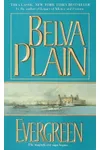
For readers looking to dive into the rich, emotionally charged world of Belva Plain, the absolute best starting point is her monumental debut novel, Evergreen (1978). Written when Plain was 59 years old, this bestseller introduces Anna Friedman, a young Jewish immigrant from Poland who arrives in New York City at the turn of the twentieth century. Evergreen sets the stage for the Werner Family Saga, establishing the themes of resilience, family secrets, and historical upheaval that define Plain's signature style. Starting here allows you to experience the foundation of her literary universe and understand the generations of characters that follow.
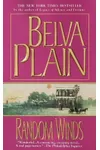
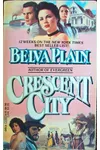
If you prefer a standalone story before committing to a multi-book family saga, Random Winds (1980) or the Civil War-era drama Crescent City (1985) are excellent entry points. They showcase her talent for blending domestic drama with historical settings without requiring you to follow a recurring cast of characters.
The Werner Family Saga: Recommended Reading Order
The Werner Family Saga is Belva Plain's crowning achievement, tracing a Jewish-American family dynasty across more than a century of triumphs and trials. While the timeline of the books features some historical overlap, reading them in publication order is highly recommended. Because the first novel, Evergreen, covers a vast timeline spanning from 1906 to 1972, subsequent novels act as close-ups on specific eras and family branches, filling in crucial details that enhance the overall story.
- Evergreen (1978): The cornerstone of the saga. It details Anna's arrival in New York, her marriage to Joseph, her complicated relationship with the wealthy Paul Werner, and the growth of her family up to the early 1970s.
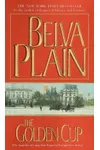
- The Golden Cup (1986): This companion novel goes back in time, spanning from approximately 1892 to 1920. It focuses on Hennie de Rivera (Paul Werner's aunt) and her marriage to a social activist, Dan Roth, highlighting the progressive social struggles and the impact of World War I.
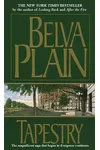
- Tapestry (1988): Picking up in the aftermath of World War I (around 1920) and leading into the 1940s, this installment focuses on Paul Werner as he navigates the Great Depression, family expectations, and the looming threat of World War II in Europe.
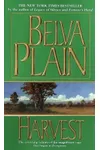
- Harvest (1989): Set primarily during the social and political upheavals of the 1950s and 1960s, the story centers on Anna's daughter, Iris Stern, and her family as they face modern trials, including the cultural shifts of the Vietnam War era.
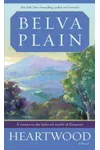
- Heartwood (2010): The final chapter of the saga. Set in a contemporary, modern-day environment, it follows Iris and her physician husband, Theo, in their golden years as they deal with the modern struggles of their grown descendants.
Understanding the Chronological Caveats
If you try to read the Werner Family Saga in strict chronological order based on when the stories begin, you would actually start with The Golden Cup (which begins in 1892) before reading Evergreen (which starts in 1906). However, doing so is not recommended for first-time readers. Evergreen provides the sweeping overview and emotional context of the Werner dynasty. The Golden Cup and Tapestry are designed to enrich the characters you already know, and starting with them may lessen the impact of the reveals and relationships established in the debut novel.
Belva Plain's Standalone Novels
In addition to her multi-generational saga, Belva Plain published 18 standalone novels. These books do not share characters or continuity with the Werner family, meaning they can be read in any order. They range from historical epics to contemporary domestic dramas, focusing on family relationships, hidden truths, and social struggles. Here is the list of her standalone novels in publication order:
- Random Winds (1980): A dramatic story following three generations of doctors in a single family, exploring the conflicts between personal desire and professional duty.
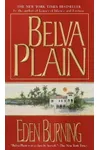
- Eden Burning (1982): Set on a fictional Caribbean island, this novel explores the turbulent lives of an aristocratic family amidst social change.
- Crescent City (1985): A historical drama focusing on a Jewish family in New Orleans before, during, and after the American Civil War.
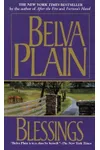
- Blessings (1989): A contemporary drama about a woman whose past secret—a child she gave up for adoption—resurfaces just as she is about to marry.
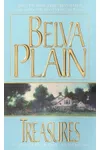
- Treasures (1992): Follows three siblings who leave their Ohio home for New York City, finding that wealth brings unexpected challenges.
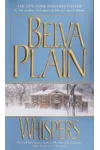
- Whispers (1993): A domestic drama centering on the hidden realities of a seemingly perfect family dealing with control and abuse.
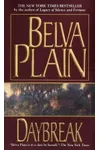
- Daybreak (1994): A poignant story exploring the emotional fallout when two families discover their sons were switched at birth.
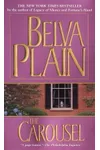
- The Carousel (1995): Explores the dark secrets, greed, and conflicts within the Grey family after the death of their patriarch.
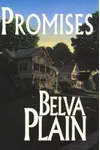
- Promises (1996): Set in the early 20th century, this novel follows a young woman navigating marriage, betrayal, and self-reliance.
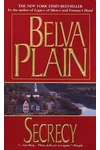
- Secrecy (1997): A contemporary story tackling difficult social themes, including date rape and family cover-ups.
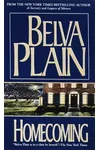
- Homecoming (1997): Centers on a family reunion where long-buried rivalries and secrets threaten to dismantle the family unit.
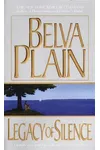
- Legacy of Silence (1998): A historical and contemporary mix focusing on two sisters fleeing Nazi Germany and the secrets they carry to America.
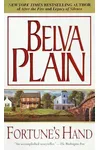
- Fortune's Hand (1999): Tells the story of a young, ambitious lawyer whose rapid rise to success is complicated by tragedy and personal ethics.
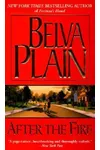
- After the Fire (2000): Focuses on a woman rebuilding her life and protecting her children after escaping a volatile marriage.
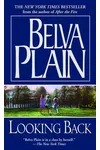
- Looking Back (2001): Follows the lives of three friends from their college years in the 1970s through their adult relationships and struggles.
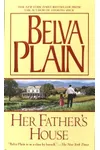
- Her Father's House (2002): A suspenseful drama about a father who takes desperate measures to protect his daughter from his ex-wife's lifestyle.
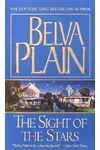
- The Sight of the Stars (2003): Set in the early 1900s, this story follows a young man's journey from a small town to the bustling West, finding love and building an empire.
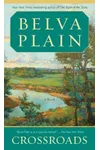
- Crossroads (2005): Plain's final standalone work, exploring the life-altering decisions of a man torn between two distinct paths.
What to Know Before You Start
Belva Plain's work is celebrated for its warm, detailed, and deeply human tone. Her writing style is often compared to nineteenth-century novelists due to her expansive character lists and focus on moral dilemmas. A key aspect of her books is the representation of Jewish-American life, which she portrayed with historical nuance, moving away from contemporary stereotypes. Readers should expect cozy but emotionally intense family sagas filled with secrets, romance, and historical backdrops. Notably, Plain wrote all 27 of her novels entirely by hand on yellow legal pads, never using a computer throughout her long and successful career.