

How to Read Ben Fountain's Books: Recommended Reading Paths
Ben Fountain’s bibliography consists of standalone novels, an acclaimed short story collection, a non-fiction book, and various anthologies. Because none of his books share direct continuity, recurring characters, or a shared universe, you have complete freedom in how you approach them. However, his work is bound by strong thematic threads: the absurdity of modern American culture, geopolitical intrigue, and the moral gray areas of foreign intervention. To get the most out of his writing, we recommend choosing a path based on your interests.
Path 1: The Political Satire and American Spectacle Route
If you enjoy biting social satire, surreal political climates, and dark humor that holds a mirror up to contemporary America, this is your best starting point. This path groups his award-winning masterpiece with his latest satirical release.
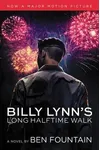
- Start with: Billy Lynn’s Long Halftime Walk (2012). This novel is the perfect introduction to Fountain's sharp, satirical voice. Set during a single day at a Dallas Cowboys Thanksgiving game, it follows a young Iraq War veteran during a surreal promotional tour, highlighting the stark contrast between the realities of combat and the commercialized spectacle of American patriotism.
- Next up: Rasputin Swims the Potomac (2026). Fountain’s third novel leans heavily into surreal political farce. Set in a near-future Washington, D.C. gripped by a bizarre pandemic, it follows a president seeking a third term who enlists a professional wrestler named "Rasputin" to secure his reelection. It is a brilliant companion piece to Billy Lynn in its exploration of spectacle and power.
Path 2: The Global Intrigue and Geopolitics Route
If you prefer international settings, historical fiction, and narratives that deal with the complexities of foreign policy and local resistance, follow this path.
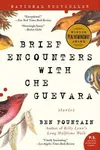
- Start with: Brief Encounters with Che Guevara (2006). This debut collection of eight short stories spans the globe, from Colombia and Myanmar to Haiti. It establishes Fountain's Graham Greene-esque ability to place ordinary characters in extraordinary, morally complex geopolitical situations.
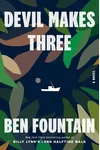
- Next up: Devil Makes Three (2023). A deeply researched historical novel set in Haiti during the 1991 military coup. It follows a young American scuba diver and a Haitian intellectual navigating the chaotic aftermath of the coup, showing how personal greed, historical scars, and American foreign policy intersect.
Ben Fountain Books in Publication Order
If you prefer to see how Fountain’s style and ambition evolved over time, reading in publication order is an excellent option. This order highlights his transition from short fiction to ambitious long-form satires and historical epics.
1. Brief Encounters with Che Guevara (2006)
Fountain's debut short story collection put him on the literary map. The stories explore foreign travelers, aid workers, and locals navigating chaotic political landscapes. It won the PEN/Hemingway Award and established his themes of moral compromise and global tension.
2. Billy Lynn's Long Halftime Walk (2012)
His breakthrough novel and winner of the National Book Critics Circle Award. Using a stream-of-consciousness style, it chronicles the surreal experiences of Bravo Squad as they are celebrated as heroes during a football game's halftime show. Ang Lee adapted the novel into a feature film in 2016.
3. Beautiful Country Burn Again (2018)
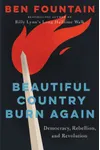
Fountain's first major work of non-fiction. Expanding on essays written for The Guardian, this book chronicles the surreal and polarizing 2016 U.S. presidential election. It serves as an intellectual bridge between his fictional satires and real-world political analysis.
4. Devil Makes Three (2023)
An epic, atmospheric novel set in Haiti during the deposition of President Jean-Bertrand Aristide. It marks a shift towards dense, historically grounded storytelling, drawing heavily on Fountain's extensive personal travels to Haiti.
5. Rasputin Swims the Potomac (2026)
A return to high-energy political satire. This novel skewers the modern political landscape by blending reality television, professional wrestling, and authoritarian ambition into a dark, comic masterpiece.
Short Stories and Anthology Contributions
For completists, Ben Fountain has contributed several key short stories and forewords to notable anthologies:
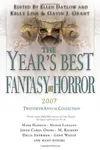
- "The Good Ones Are Already Taken" in The Year's Best Fantasy and Horror 2007: Twentieth Annual Collection (2007): This award-winning story, originally from his debut collection, was selected for this anthology, highlighting the voodoo and magical realist elements present in his Haitian-focused work.
- "The Realtor" in Dallas Noir (2013): A gritty, localized noir story contributed to the Akashic Books noir series, showing Fountain's ability to write tense crime fiction set in his longtime home of Dallas, Texas.
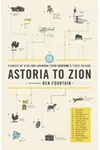
- Foreword to Astoria to Zion: Twenty-Six Stories of Risk and Abandon from Ecotone's First Decade (2014): Fountain provided the introduction to this celebrated collection of independent short fiction.
What to Know Before You Start Reading
Before diving into Ben Fountain’s work, here are a few things to keep in mind:
First, Haiti is central to his literary identity. Fountain has traveled to Haiti over thirty times since 1991. His deep knowledge of the country's history, culture, and language informs both his short stories (especially "The Good Ones Are Already Taken") and his major novel Devil Makes Three. If you want to understand Fountain as a writer, you must look at his relationship with Haiti.
Second, expect a blend of cynicism and empathy. While Fountain’s satire is sharp and unforgiving when targets include politicians, military bureaucrats, and corporate profiteers, he maintains a deep, compassionate empathy for the ordinary people caught in their gears—whether they are young soldiers like Billy Lynn or Haitian citizens struggling under a coup.
Finally, non-fiction and fiction enrich each other. Reading Beautiful Country Burn Again provides valuable real-world context that directly feeds into the political themes of Rasputin Swims the Potomac. They make excellent companion reads.