




















The Recommended Reading Path for Ben Haas / John Benteen
If you are diving into the muscular, fast-paced Western fiction of Benjamin Leopold Haas (writing under his most famous pseudonyms, John Benteen and Thorne Douglas), you have options. Haas was an incredibly prolific author of the 1960s and 70s men's adventure boom. Because most of his output was designed as episodic pulp fiction, the best entry points are defined by his main characters rather than a single strict chronology.
Here is the recommended reading path depending on your interests:
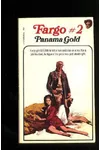
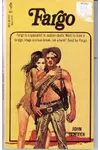
- For Mercenary Action: Start with the Fargo series. The best entry points are either the self-titled Fargo (1969) or the first book listed in local database records, Panama Gold (1969).
- For Culturally Rich Westerns: Start with the Sundance series, beginning with Overkill (1972).
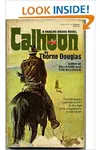
- For a Multi-Character Historical Saga: Start with the Rancho Bravo series, which must be read in sequence starting with Calhoon (1972).
The Fargo Series: Neal Fargo's Mercenary Adventures
The Fargo series follows Neal Fargo, a tough-as-nails soldier of fortune, former Rough Rider, and weapons expert who travels the globe from Panama to Alaska during the early 20th century (roughly 1900–1918). Haas wrote the majority of these books, but his son Joel Haas and Norman Rubington (writing as John W. Hardin) also contributed entries.
Reading Order and Timeline Caveats
Because the novels are episodic adventures, they can generally be read in any order. The narrative jumps back and forth chronologically across Fargo's career. For example, he fights in the Alaska Gold Rush and then travels to the Panama Canal Zone. While standard checklists list the self-titled Fargo as the debut, the order preserved below highlights how the early books were published in rapid succession in 1969.
- Panama Gold (1969)
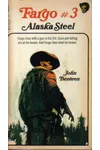
- Alaska Steel (1969)
- Massacre River (1969)
- Fargo (1969)
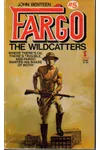
- The Wildcatters (1970)
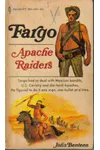
- Apache Raiders (1970)
- Black Bulls (1971)
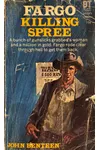
- Killing Spree (1971)
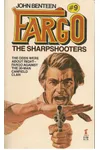
- Sharpshooters (1972)
- Wolf's Head (1973)
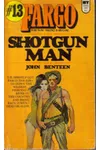
- Shotgun Man (1973)
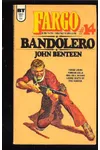
- Bandolero (1974)
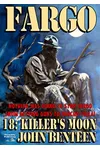
- Killer's Moon (1976)
- Dakota Badlands (1977)
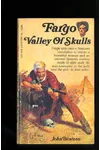
- Valley of Skulls (1982)
The Sundance Series: Jim Sundance's Cheyenne Crusade
Jim Sundance is a half-white, half-Cheyenne gunslinger who takes on high-stakes missions, often utilizing his earnings to fund lobbyists in Washington, D.C. to defend Native American lands. The series is famously episodic and ran for 43 books. Ben Haas wrote the first 16 novels before his death in 1977, after which the series was completed by other authors, including Peter McCurtin and various writers under the house pseudonym Jack Slade.
Sundance Publication Order
Because the publisher occasionally shuffled the order of manuscripts, reading them in publication order is the standard way to experience Jim Sundance's journey:
- Overkill (1972)
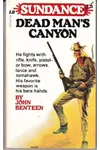
- Dead Man's Canyon (1972)
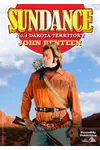
- Dakota Territory (1972)
- Death In The Lava (1972)
- The Pistoleros (1972)
- The Wild Stallions (1973)
- Taps At Little Big Horn (1973)
- The Ghost Dancers (1973)
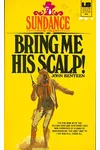
- Bring Me His Scalp! (1973)
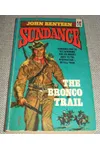
- The Bronco Trail (1973)
- The Comancheros (1973)
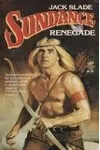
- Renegade (1974)
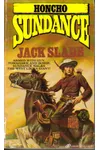
- Honcho (1974)
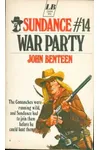
- War Party (1974)
- Bounty Killer (1975)
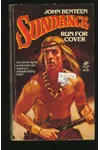
- Run For Cover (1976)
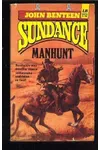
- Manhunt (1976)
- Blood On The Prairie (1976)
- War Trail (1976)
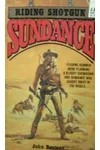
- Riding Shotgun (1977)
- Silent Enemy (1977)
- Ride The Man Down (1977)
- Gunbelt (1977)
- Canyon Kill (1978)
- Blood Knife (1979)
- Nightriders (1979)
- Death Dance (1979)
- The Savage (1979)
- Day Of The Halfbreeds (1979)
- Los Olvidados (1980)
- The Marauders (1980)
- Scorpion (1980)
- Hangman's Knot (1980)
- Apache War (1980)
- Gold Strike (1980)
- Trail Drive (1981)
- Iron Men (1981)
- Drumfire (1981)
- Buffalo War (1981)
- The Hunters (1981)
- The Cage (1982)
- The Choctaw County War (1982)
- Texas Empire (1982)
The Rancho Bravo Series: An Interconnected Cattle Saga
Written under the pseudonym Thorne Douglas, the Rancho Bravo books are a departure from Benteen's solo-hero adventures. They tell a serialized, interconnected story of a group of diverse partners—including former Confederate soldier Lucius Calhoon, former slave Elias Whitton, and former Union captain Philip Killraine—building a Texas cattle outfit after the Civil War. Because of the persistent narrative thread, these books must be read in order.
- Calhoon (1972)
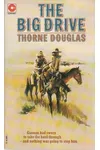
- Big Drive (1974)
- The Mustang Men (1977)
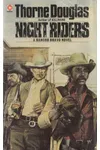
- Night Riders (1979)
- Killraine (1979)
The Cutler Books
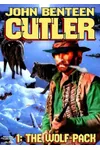
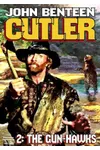
Ben Haas introduced the John Cutler Western series under the John Benteen name with the first two entries. Following Haas's death, the series was written by H.V. Elkin. These books follow a standard action-oriented publication order:
- The Wolf-Pack (1972)
- The Gun-Hawks (1972)
Standalone Novels and Other Pseudonyms
In addition to his series, Haas penned numerous standalone novels. Some were published under his own name, while others used his pseudonyms, including the historical adventures written under Richard Meade. These books offer a broad showcase of Haas's writing range, from traditional Westerns to Civil War historical fiction.
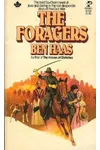
- The Foragers (1962)
- The KKK (1963)
- Brother Badman (1965)
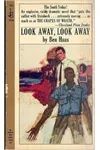
- Look Away, Look Away (1965)
- The Last Valley (1966)
- The Troubled Summer (1966)
- The Danube Runs Red (As: Richard Meade) (1967)
- Big Bend (As: Richard Meade) (1969)
- Gun Runner (As: Richard Meade) (1969)
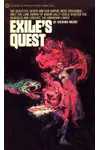
- Exile's Quest (As: Richard Meade) (1970)
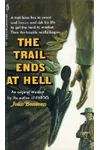
- Trail Ends at Hell (As: John Benteen) (1970)
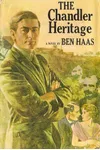
- The Chandler Heritage (1971)
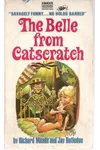
- The Belle from Catscratch (As: Richard Meade) (1972)
- Daisy Canfield (1973)
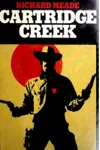
- Cartridge Creek (As: Richard Meade) (1973)
- Gaylord's Badge (As: Richard Meade) (1975)
- The House of Christina (1977)
What to Know Before You Start
Haas wrote at a staggering pace, routinely typing 5,000 words a day. Despite this heavy pulp output, his books stand out for their deep historical accuracy, authentic depictions of historical firearms, and flawed, realistic protagonists. Readers should expect some narrative inconsistencies or out-of-order timelines due to the vintage paperback market's publication schedule, but the visceral action and gritty realism remain consistent throughout his entire body of work.