
Where to Start with Ben Oliver
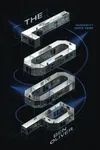
If you are new to Ben Oliver's adrenaline-fueled dystopian writing, the absolute best place to start is with his debut novel, The Loop (originally published in the UK in 2020 by Chicken House, with US publication following in 2021). This book kicks off his flagship trilogy and establishes the fast-paced, cinematic style that has become his signature. Because his main series is a continuous narrative, reading it in strict publication order is essential to follow the character arcs, plot twists, and building rebellion.
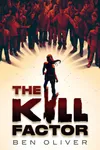
Alternatively, if you want a complete, self-contained story without committing to a trilogy, you can pick up his 2024 standalone thriller, The Kill Factor. While it features a completely different set of characters and a new near-future world, it shares the same high-stakes survival themes and dark critiques of technology and class divides.
The Loop Trilogy in Reading Order
The Loop Trilogy is a tightly plotted, continuous story following the struggles of teenager Luka Kane. Set in a near-future corporate-run society, it is highly recommended to read these three books in order:
1. The Loop (2020)
In this opening installment, readers are introduced to Luka Kane, a sixteen-year-old inmate in a high-tech death row facility known as the Loop. In this futuristic prison, young inmates can postpone their execution dates by volunteering for invasive and painful scientific experiments. Luka has spent over two years surviving day-to-day inside the Loop, adhering to a strict, monotonous routine. However, when the facility's security systems begin to glitch and the outside world falls into chaos due to a rogue artificial intelligence, Luka and his fellow inmates are forced to plan a desperate prison break. This book sets the stage for a grander rebellion while exploring themes of systemic control and human resilience.
2. The Block (2021)
Picking up directly after the explosive events of the first book, the second installment shifts the setting to the Block. The world outside the Loop has continued to disintegrate under the grip of a ruthless, manipulative AI. Luka find themselves trapped in an even more oppressive, complex facility where the stakes are elevated and old allies must be reunited. The narrative dives deeper into the architecture of the dystopian society, examining how wealth and power insulate the elite while the rest of humanity struggles to survive. Luka must lead a group of rebels through intense psychological and physical trials to keep the hope of freedom alive.
3. The Arc (2022)
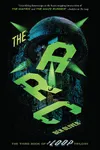
The final book in the trilogy brings the saga of Luka Kane and the rebellion against the governing systems to a dramatic and emotional conclusion. With humanity teetering on the edge of complete eradication, the rebels must make their final stand. Oliver wraps up the overarching mysteries behind the AI's origin and the true purpose of the high-tech prisons. The book moves at a breakneck pace, focusing heavily on the sacrifices required to build a better future and the enduring power of friendship in the face of absolute despair.
Standalone Novels
The Kill Factor (2024)
Published in April 2024, The Kill Factor is a standalone dystopian novel that is frequently described as "Squid Game meets Black Mirror." The story takes place in a world where social media currency—known as "brand credits"—dictates your status, wealth, and survival. The protagonist, Emerson Ness, is a teenager living in extreme poverty. After being arrested for an accidental death during an act of desperation, she is facing a life sentence in solitary confinement.
To save herself and secure a stable future for her deaf younger brother, Kester, Emerson agrees to compete in a brutal, televised reality show called The Kill Factor. Marooned on a remote island with 49 other young contestants, she must navigate deadly physical challenges while broadcasting her life to the public to win viewer support. However, as the competition proceeds, Emerson discovers a dark conspiracy underlying the game itself, realizing the stakes are far more sinister than simple entertainment.
What to Know Before You Start
Before diving into Ben Oliver's books, there are a few useful details to keep in mind:
- Technophobia as Inspiration: Oliver has frequently shared that his own mild technophobia and anxiety about rapid AI advancement heavily influence his writing. This translates into worlds where technology is not a tool of convenience, but an instrument of control.
- Pacing and Tone: Expect extremely fast-paced narratives with minimal filler. Oliver's books are highly cinematic, featuring short chapters, heavy action, and cliffhanger endings that make them perfect for reluctant readers or fans of movies like The Matrix.
- Reading Level: While classified as Young Adult (YA) and featuring teenage protagonists, the books contain mature themes, dark situations, and graphic depictions of survival challenges that may appeal to older teens and adult fans of dystopian fiction alike.