
Where to Start with Ben Rhodes
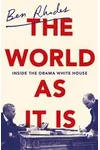
For almost any reader, the absolute best entry point to Ben Rhodes's writing is his bestselling memoir, The World As It Is: A Memoir of the Obama White House (2018). Having served as President Barack Obama's deputy national security advisor and primary foreign policy speechwriter, Rhodes was in the room for some of the most critical moments of 21st-century diplomacy. The book is highly narrative, deeply personal, and reads less like a dry political record and more like a coming-of-age story of a young writer thrust into the highest levels of global power. If you want to understand his voice, his ideals, and the foundations of his political perspective, start here.
The Recommended Reading Order: The Narrative Path
While Ben Rhodes writes non-fiction, his books follow a distinct thematic and chronological progression that mirrors his career trajectory and the shifting landscape of American and global politics. Reading them in this logical sequence provides the best context for his ideas:
1. Without Precedent: The Inside Story of the 9/11 Commission (2006)
Co-authored with Commission chairs Thomas H. Kean and Lee H. Hamilton, this book offers an insider look at the investigation into the September 11 terrorist attacks. Rhodes worked as a special assistant to Hamilton at the Wilson Center, draft-writing much of the text. It serves as an essential prequel to his career, as the events of 9/11 and his work on the commission were the precise catalysts that drew Rhodes away from his initial career path in fiction writing and into Washington politics.
2. The World As It Is: Inside the Obama White House (2018)
This central memoir covers his ten-year journey with Barack Obama, beginning on the 2007 presidential campaign trail and running through the final days of the administration in 2017. It details the speechwriting process behind major addresses, the normalization of relations with Cuba, the negotiation of the Iran nuclear deal, and the internal battles over policy in Syria and Libya.
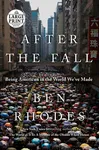
3. After the Fall: Being American in the World We've Made (2021)
Following the end of the Obama presidency, Rhodes traveled the world to understand why global democracy was backsliding. In this book, he visits activists and political figures in Hong Kong, Hungary, Russia, and beyond. It functions as a direct sequel to his White House memoir, exploring how the foreign policy decisions of the past few decades contributed to the rise of authoritarianism globally and divisions at home.
4. All We Say: The Battle for American Identity (2026)
His latest work takes a broader, historical view. Rhodes steps back to analyze 250 years of American identity through fifteen pivotal political speeches—ranging from Benjamin Franklin and Frederick Douglass to Martin Luther King Jr. and Donald Trump. This book examines the competing narratives of American history and shows how public oratory has shaped the national divisions we see today.
Publication Order of Ben Rhodes Books
If you prefer to read his books in the order they were released to the public, follow this list:
- Without Precedent: The Inside Story of the 9/11 Commission (2006) – Co-authored with Thomas H. Kean and Lee H. Hamilton
- The World As It Is: A Memoir of the Obama White House (2018)
- After the Fall: Being American in the World We've Made (2021)
- All We Say: The Battle for American Identity (2026)
What to Know Before You Start
Before diving in, it is helpful to keep a few key contexts in mind. First, Rhodes holds an MFA in Creative Writing from NYU, which heavily influences his prose style. Unlike many political memoirs that rely on ghostwriters or follow a strict, dry chronological report, Rhodes focuses on character development, scene setting, and narrative arc. Second, his perspective is deeply shaped by his work as a speechwriter; he is highly attuned to how language, messaging, and narrative construct political reality. Lastly, if you enjoy his books, his weekly foreign policy podcast, Pod Save the World (which he co-hosts with Tommy Vietor), functions as an active, ongoing companion to the themes of global diplomacy and democracy explored in his writing.