


How to Read Bernd Heinrich’s Books
With over two decades of published work, biologist, naturalist, and ultramarathon runner Bernd Heinrich has created a rich library of books that blend rigorous scientific research with deeply personal, lyrical nature writing. While almost all of his books can be read as standalone works, grouping them by theme or reading them in a specific sequence will enrich your appreciation of his observations.
The Best Starting Points
Because Heinrich writes across several disciplines, the best book to start with depends on what you are looking to discover:
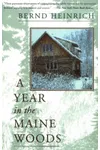
- For the Off-Grid Memoir Enthusiast: Start with A Year in the Maine Woods (1994). This book chronicles Heinrich's year living in a rustic, self-built cabin in the Maine wilderness, offering a modern, scientifically informed take on Henry David Thoreau's Walden.
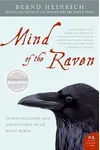
- For the Animal Intelligence Fan: Start with Mind of the Raven: Investigations and Adventures with Wolf-Birds (1999). This is Heinrich’s most famous bird book, investigating the intelligence, emotional lives, and social dynamics of ravens.
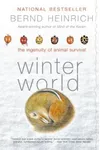
- For the Science & Wildlife Lover: Start with Winter World: The Ingenuity of Animal Survival (2003). It is an accessible, fascinating look at how insects, birds, and mammals adapt to survive extreme winter climates.
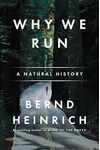
- For Runners and Athletes: Start with Why We Run: A Natural History (2002). It is a unique combination of evolutionary biology, animal physiology, and personal athletic memoir from Heinrich's time setting ultramarathon records.
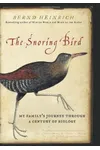
- For Biography & Family History Buffs: Start with The Snoring Bird: My Family's Journey Through a Century of Biology (2007). It explores his family's escape from post-WWII Europe and the legacy of his father, Gaston Heinrich, a dedicated wasp specialist.
Thematic Reading Series and Subseries
If you want to read his works in a logical progression, Heinrich’s bibliography can be grouped into several key thematic series:
The Raven Investigations
Heinrich’s work on ravens is legendary. These two books should be read in order to see how his scientific theories and field methods evolved over a decade:
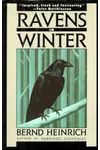
- Ravens in Winter (1989) – Structured like a detective mystery, this book details Heinrich’s early years observing wild ravens in Maine to understand why they actively recruit others to food sources.
- Mind of the Raven (1999) – Moving beyond simple survival, this book dives deeper into raven consciousness, individual personalities, and their complex relationships with other predators like wolves.
The Seasons Cycle
These companion books examine the natural history, physiology, and survival tactics of forest life across different seasons:
- Winter World: The Ingenuity of Animal Survival (2003) – Explores how creatures withstand the freezing cold of the northern wilderness.
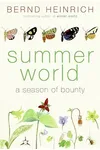
- Summer World: A Season of Bounty (2009) – A companion volume focusing on the burst of life, nesting strategies, and heat adaptation of summer.
The Running and Aging Duology
These books merge biology with Heinrich’s perspective as a competitive runner:
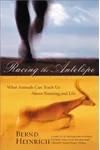
- Racing the Antelope (2001) / republished as Why We Run (2002) – Explores the evolutionary and physiological reasons humans are built to run long distances.
- Racing the Clock: Running Across a Lifetime (2021) – A later-life reflection on aging, physical limits, and continuing to run into his eighties.
The Maine Woods and Forestry Memoirs
For readers who enjoy descriptions of forest ecology and rustic living, these books form a cohesive thematic sequence:
- A Year in the Maine Woods (1994) – The initial diary of building his cabin and living off-grid.
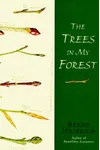
- The Trees in My Forest (1997) – A detailed, loving look at the specific plot of forest surrounding his Maine cabin.
- A Naturalist at Large: Letters from a Cabin (2018) – A collection of reflections and letters summarizing decades of observations from his cabin.
Other Major Bird Studies
Beyond ravens, Heinrich has written extensively on other avian species. These can be read in any order:
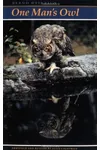
- One Man's Owl (1987) – The story of raising and observing a Great Horned Owl named Bubo.
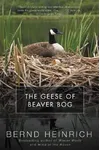
- The Geese of Beaver Bog (2004) – A detailed study of Canada geese behavior and social structures.
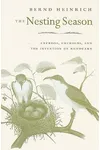
- The Nesting Season: Cuckoos, Cuckolds, and the Invention of Monogamy (2010) – An exploration of bird mating and nesting behaviors.
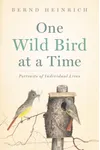
- One Wild Bird at a Time: Portraits of Individual Lives (2016) – Focuses on close observations of individual backyard birds.
- White Feathers: The Nesting Lives of Tree Swallows (2020) – Chronicles his research into why tree swallows prefer white feathers to line their nests.
Important Reading Caveats: The Retitled Book
When collecting Bernd Heinrich's books, be aware of a common point of confusion: Racing the Antelope (2001) and Why We Run (2002) are the exact same book. The original hardcover title was changed for the paperback release to avoid a potential title conflict with a book about the band Phish. Readers should avoid purchasing both, as the text is virtually identical.
Complete Publication Order of Bernd Heinrich’s Books
For those who wish to read everything in the exact order it was published, here is the complete chronological list of his non-fiction books and his contributions to anthologies:
Non-Fiction Books
- Bumblebee Economics (1979)
- Insect Thermoregulation (1981)
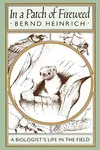
- In a Patch of Fireweed: A Naturalist's Life in the Field (1984)
- One Man's Owl (1987)
- Ravens in Winter (1989)
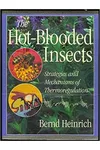
- The Hot-Blooded Insects: Mechanisms and Evolution of Thermoregulation (1993)
- A Year in the Maine Woods (1994)
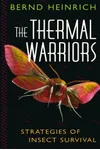
- The Thermal Warriors: Strategies of Insect Survival (1996)
- The Trees in My Forest (1997)
- Mind of the Raven: Investigations and Adventures with Wolf-Birds (1999)
- Racing the Antelope: What Animals Can Teach Us About Running and Ourselves (2001) / Retitled as Why We Run: A Natural History (2002)
- Winter World: The Ingenuity of Animal Survival (2003)
- The Geese of Beaver Bog (2004)
- The Snoring Bird: My Family's Journey Through a Century of Biology (2007)
- Summer World: A Season of Bounty (2009)
- The Nesting Season: Cuckoos, Cuckolds, and the Invention of Monogamy (2010)
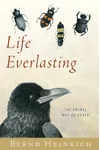
- Life Everlasting: The Animal Way of Death (2012)
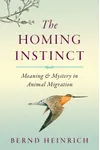
- The Homing Instinct: Meaning and Mystery in Animal Migration (2014)
- One Wild Bird at a Time: Portraits of Individual Lives (2016)
- A Naturalist at Large: Letters from a Cabin (2018)
- White Feathers: The Nesting Lives of Tree Swallows (2020)
- Racing the Clock: Running Across a Lifetime (2021)
Anthology Contributions
- The Anthropology of Sport and Human Movement: A Biocultural Perspective (2010) – Contributed the chapter "Endurance Predator."
- Field Notes on Science & Nature (2011) – Contributed the chapter "Untangling the Bank."