


The Recommended Reading Path
If you are new to the dark, atmospheric historical fiction of Beth Underdown, the best path forward is simple: read her novels in publication order. While all of her books are fully self-contained standalone works that do not share characters or story arcs, reading them in the order they were published allows you to experience her growth as a writer. She transitions from a tightly focused, single-perspective historical thriller in her debut to a complex, dual-timeline gothic mystery in her second novel.
For the ultimate introduction to her writing style, start with her bestselling debut, The Witchfinder's Sister (2017). This novel established her signature blend of rigorous historical accuracy and psychological dread. Once you have experienced the chilling world of 17th-century witch hunts, progress to The Key in the Lock (2022) to enjoy a slower, dual-timeline gothic mystery set in Cornwall.
Publication Order of Beth Underdown's Standalone Novels
To date, Beth Underdown has published two primary standalone novels, each exploring a different era of English history through a dark, gothic lens:
1. The Witchfinder's Sister (2017)
Set in 1645 in Manningtree, Essex, during the height of the English Civil War, this debut novel focuses on Alice Hopkins. After the sudden death of her husband, a pregnant and penniless Alice returns to her childhood home to live with her brother, Matthew Hopkins. To her horror, she finds that Matthew has transformed into the self-styled 'Witchfinder General,' embarking on a ruthless campaign to root out, torture, and execute local women accused of witchcraft. Alice is forced to navigate her loyalty to her brother and the growing moral outrage she feels as his reign of terror spreads. The novel is heavily based on historical documents and the real-life figure of Matthew Hopkins, using Alice's fictional perspective to explore power, misogyny, and family secrets.
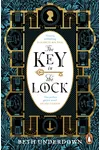
2. The Key in the Lock (2022)
Her sophomore effort is an atmospheric, slow-burn gothic mystery set in Polneath, Cornwall, which alternates between two distinct timelines: 1888 and 1918. The story is narrated by Ivy Boscawen. In the 1918 timeline, Ivy is a grieving mother trying to come to terms with the death of her son, Tim, in the trenches of World War I. Her grief is intertwined with buried secrets from 1888, when she was a young doctor's daughter and witnessed a devastating fire at the Tremain family's Great House, in which a young boy named William Tremain perished. As the dual narratives converge, Ivy must confront the lies, guilt, and actions of her past to understand the truth about both deaths. The book has been widely praised for its evocative Cornish setting and its stylistic nod to classic gothic authors like Daphne du Maurier.
Early Writing and Anthologies
Before publishing her breakout novels, Underdown was active in the academic writing scene. Readers interested in her earliest published fiction can find her work in The Manchester Anthology 2013, which was published during her time studying creative writing at the University of Manchester. Additionally, during her National Trust residency at Quarry Bank, she wrote Love makes as many, a poignant commemorative piece celebrating the history of women's suffrage.
Chronological Order by Historical Setting
Because the novels are completely separate, some readers prefer to read them chronologically based on their historical settings. If you choose this path, the order remains the same as the publication order:
- 1645: The Witchfinder's Sister (Set during the English Civil War and the Manningtree witch trials)
- 1888 & 1918: The Key in the Lock (Alternating between the late Victorian era and the immediate aftermath of World War I)
What to Know Before You Start
Before diving into Beth Underdown's novels, readers should prepare for a dark, somber, and deeply atmospheric tone. Underdown does not shy away from the harsh realities of the historical periods she depicts. Her novels touch on sensitive and heavy themes, including the brutal treatment of women accused of witchcraft, the devastating psychological trauma of war, child loss, grief, and domestic abuse. Pacing is another key factor: while The Witchfinder's Sister carries the momentum of a historical thriller, The Key in the Lock is a deliberate, slow-burn mystery where the tension builds gradually through character study and atmospheric description.
Adaptations and Companion Works
The success of Underdown's debut novel has led to interest beyond the printed page. The Witchfinder's Sister was optioned for television by Monumental Television and was also adapted into a live stage play that performed at the Queen's Theatre Hornchurch, bringing the chilling historical trials to life in an immersive format. While there are no current adaptations of The Key in the Lock, its cinematic presentation of the Cornish coast has made it a favorite candidate for future screen adaptation discussions among fans.