
The Recommended Reading Order for the Spellwright Trilogy
If you are planning to read Blake Charlton's novels, the best path is the order in which they were published. Since the main storyline progresses chronologically across the three books, following this release order ensures you understand the evolution of the typographic magic system and the relationships between characters. Here is the recommended order:
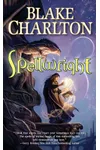
- Spellwright (2010)
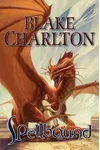
- Spellbound (2011)
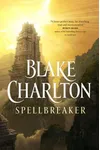
- Spellbreaker (2016)
While the trilogy follows a clear linear path, there are significant jumps in time between the volumes. Additionally, Charlton has published a couple of short stories in science fiction and fantasy anthologies that offer further examples of his world-building and prose style.
Understanding the Spellwright Magic System
The standout feature of Blake Charlton's fantasy is its highly inventive magic system: typographic magic. In the world of the Spellwright trilogy, language is not just a medium for communication—it is a physical force. Wizards, known as spellwrights, physically construct spells out of letters, words, and grammar. These runes can be written onto paper, carved into stone, or even woven directly onto the spellwright's skin. Once constructed, these textual creations can become physical objects, weapons, or entities with their own temporary lifespans.
However, this magic comes with a major catch: accuracy is everything. A single typo or grammatical error can turn a beneficial spell into a corrupted, dangerous anomaly known as kakography. This makes the spelling of runes a high-stakes, life-or-death skill. For characters who struggle with the physical manipulation of text, this world is exceptionally hostile, turning standard fantasy tropes about chosen ones on their head.
Within this universe, different societies and factions manipulate text in distinct ways. For example, some focus on structural chirography, using magical words to rebuild bones and heal diseases. Others focus on aggressive combat runes, designed to tear apart opposing spells word by word. As the trilogy progresses, readers see how these different linguistic traditions clash, showing that the pen really is mightier than the sword when it is physically manifest.
Blake Charlton: The Doctor Behind the Magic
To fully appreciate the Spellwright novels, it helps to understand the author's background. Born in Stanford, California, in 1979, Blake Charlton was diagnosed with severe dyslexia as a child. He struggled to read fluently until he was thirteen years old, often relying on memorization to get by in class. During this time, he snuck fantasy novels into special education study halls, finding solace in stories of magical worlds. This early struggle directly inspired the concept of "kakography" in his novels—a magical equivalent to dyslexia.
Charlton went on to graduate from Yale University with a degree in English and later earned a medical degree from Stanford Medical School. Balancing careers as an author and a clinical cardiologist, Charlton brings medical precision and deep human empathy to his narratives. His unique perspective on physical disabilities and healing is deeply woven into the trilogy's themes. For his contributions to representing learning differences, he received the International Dyslexia Association's Pinnacle Award in 2013.
Detailed Book-by-Book Breakdown
1. Spellwright (2010)
The series begins with Spellwright, introducing us to Nicodemus Weal. Nicodemus is an apprentice at the prestigious magical academy of Starhaven. He is prophesied to be the Halcyon, a legendary savior who will prevent a great war. However, Nicodemus has a devastating disability: he is a cacographer. Whenever he touches magical text, his hands automatically misspell it, turning powerful spells into dangerous, corrupted hazards. When a prominent wizard at Starhaven is murdered and Nicodemus is framed for the crime, he must use his unconventional talents to clear his name and survive. This book establishes the fundamental rules of the typographical magic system and the political landscape of the world.
2. Spellbound (2011)
Taking place ten years after the dramatic events of the first book, Spellbound shifts the setting and expands the world's magical lore. Nicodemus is still struggling with his curse, but the story introduces a vital new protagonist: Francesca DeVega. Francesca is a chirographer who uses typographic magic for medical healing, bringing Charlton's medical background to the forefront. When a demonic conspiracy threatens their world, Nicodemus and Francesca must team up to stop the Disenchanter, a figure prophesied to destroy all magical text. The stakes are much higher in this installment, and the relationship between the lead characters forms the emotional core of the narrative.
3. Spellbreaker (2016)
The trilogy reaches its conclusion in Spellbreaker, which leaps forward thirty-four years after the events of Spellbound. The focus of the story shifts to Leandra Weal, the daughter of Nicodemus and Francesca. Leandra is a Warden of Ixos, trained to protect the realm. Unlike her parents, Leandra is not a spellwright; she is a spellbreaker. Her very body cancels out and dismantles magical text upon contact. When a prophecy predicts that Leandra will murder someone she loves, she must investigate a series of mysterious killings while trying to alter her own fate. Although it functions as the final piece of the trilogy and wraps up Nicodemus's story, the significant time skip and change in protagonist allow Spellbreaker to read almost like a standalone detective mystery set within the same universe.
Short Stories and Anthology Contributions
While Blake Charlton is primarily known for the Spellwright Trilogy, he has written short fiction that fans of his work may want to track down. These stories do not directly impact the main narrative of Nicodemus and Leandra, but they demonstrate Charlton's range as a storyteller:
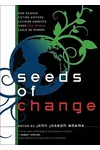
- "Endosymbiont": Published in the 2008 science fiction anthology Seeds of Change (edited by John Joseph Adams). This story explores biological themes and shows Charlton's early interest in blending science with speculative fiction. It was published prior to his debut novel and offers a glimpse into his early style.
- "Heaven in a Wild Flower": Published in the 2013 fantasy anthology Unfettered (edited by Shawn Speakman). This short story is set in a fantasy setting and shares the literary, reflective tone of his longer works, providing an excellent companion piece for fans of the trilogy.
Practical Reader Advice
For readers deciding how to approach Blake Charlton's bibliography, here are a few practical tips to keep in mind:
Start at the beginning: While some fantasy series allow you to jump in at any point, it is highly recommended that you start with Spellwright. The complex rules of typographic magic are explained in detail in the first book, and later entries build directly upon these concepts.
Expect a tonal shift: Each book in the trilogy has a distinct style. Spellwright feels like a classic magic school mystery; Spellbound is a higher-stakes medical fantasy adventure; and Spellbreaker is a mature detective story with a larger historical scope. Embrace these changes as the series progresses.
Note the publication dates: Readers sometimes wonder why there was a five-year gap between Spellbound (2011) and Spellbreaker (2016). This was primarily due to Charlton completing his medical residency and beginning his practice as a cardiologist, which limited his writing time. The quality of the final book shows that the extra time spent crafting the conclusion was well worth the wait.
Standalone Compatibility: While Spellbreaker functions as a standalone-friendly novel with its own complete detective plot and a new protagonist, reading the first two books will enrich your experience. Knowing Nicodemus and Francesca's history makes the events of the final book significantly more impactful.