





















Where to Start with Booth Tarkington
Booth Tarkington was one of the most celebrated chroniclers of Midwestern life during the transition from the Gilded Age to the industrial era. For readers looking to dive into his extensive bibliography, there are three primary entry points depending on your preferred tone. If you want a sweeping, serious social drama about industrialization and class decline, start with his Pulitzer Prize-winning masterpiece, The Magnificent Ambersons (1918). If you prefer a lighter, humorous coming-of-age story, begin with Seventeen (1917) or the boyhood antics of Penrod (1914). For an intimate, character-driven portrait of social ambition and class struggle, Alice Adams (1921) is the perfect standalone choice.
The Growth Trilogy: Reading Order
The Growth Trilogy is Tarkington's most critical achievement. Rather than following a single set of characters, these books are united by a central theme: the rapid, messy transformation of a sleepy Midwestern town into a smoky, bustling industrial city (modeled on Tarkington's hometown of Indianapolis). While the stories are self-contained and can be read independently, reading them in publication order highlights the chronological shift in the landscape and social structure.
- The Turmoil (1915): Explores the initial rise of industrialism through the eyes of a sensitive young poet who is forced into his family's business.
- The Magnificent Ambersons (1918): Focuses on the decline of a wealthy, aristocratic family as the town grows around them and shifts its worship from old money to industrial progress.
- The Midlander (1923/1924): Tracks the expansion of suburban development and the growth of the city through two contrasting brothers. Note that this book was later retitled National Avenue in 1927, and some modern digital printings list copyright or reprint dates as late as 2020.
The Penrod Series: Reading Order
For readers who enjoy vintage humor in the vein of Mark Twain's Tom Sawyer, the Penrod stories are a delightful diversion. The series centers on the mischievous, imaginative adventures of twelve-year-old Penrod Schofield. Unlike the Growth Trilogy, these books feature the same characters and should ideally be read in order.
- Penrod (1914): Introduces Penrod, his dog Duke, and his knack for getting into trouble.
- Penrod and Sam (1916): Continues the escapades with his best friend Sam Williams.
- Penrod Jashber (1929): Features Penrod taking on the persona of a detective to solve neighborhood mysteries.
These three books were also collected into a single volume titled Penrod: His Complete Story in 1931.
Essential Standalone Novels and Highlights
Tarkington was incredibly prolific, writing dozens of standalone novels. Here are the most notable works you should add to your reading list:
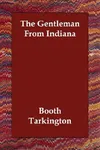
- The Gentleman from Indiana (1899): Tarkington's debut novel, featuring a young newspaper editor fighting political corruption in a small Indiana town.
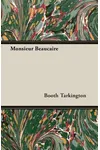
- Monsieur Beaucaire (1900): A historical romance set in 18th-century England, showcasing Tarkington's early versatility.
- Seventeen (1917): A highly successful, humorous look at the agonizing cringes and dramatic infatuations of teenage life.
- Alice Adams (1921): Tarkington's second Pulitzer winner, offering a poignant look at a young woman striving to maintain a facade of wealth and social status.
- Presenting Lily Mars (1933): A theatrical novel about a small-town girl who rises to Broadway fame.
Plays, Collaborations, and Other Works
In addition to novels, Tarkington was a major force on Broadway. He frequently collaborated with playwright Harry Leon Wilson. Their most famous theatrical success was the comedy The Man from Home (staged in 1907, published in 1915). Another notable collaboration is The Gibson Upright (1919), which took a satirical look at labor unions and capitalism. While these plays are cataloged under various modern printing dates (including many labeled 2020), their original theatrical runs and publications date back to the early 20th century.
What to Know Before You Start
Tarkington writes with a mixture of gentle satire and earnest empathy. Because his books are firmly rooted in the early 20th century, modern readers will encounter the social attitudes, language, and racial stereotypes of that era—particularly in the children's stories like Penrod. Settle in for a measured, character-driven pace, and take advantage of the public domain, as most of his major works are freely available on platforms like Project Gutenberg.