
The Recommended Reading Path
For the best experience, readers should follow the publication order of the Father Mark Townsend mysteries. Because Brad Reynolds wrote the series chronologically, the character development, recurring relationships, and Father Townsend's personal journey unfold naturally from one book to the next. While each mystery is self-contained and resolves its primary crime by the final page, reading them out of sequence will spoil minor subplots and the evolving dynamics of Townsend's parish life.
Recommended Order at a Glance
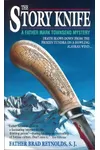
- The Story Knife (1996)
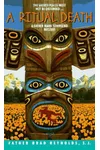
- Ritual Death (1997)
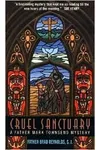
- Cruel Sanctuary (1999)
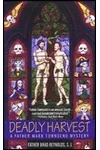
- Deadly Harvest (1999)
The Father Mark Townsend Series in Detail
Brad Reynolds, drawing heavily from his own background as a Jesuit priest and photographer, created Father Mark Townsend as a protagonist who mirrors his own experiences in the Pacific Northwest and Alaska. Here is a breakdown of the novels in their proper reading sequence:
1. The Story Knife (1996)
This is the essential starting point for the series. The debut novel introduces Father Mark Townsend, a Jesuit priest serving in Washington State who possesses a deep, firsthand appreciation for Alaska Native cultures. The plot kicks off with a murder investigation in Seattle centered around a stolen Eskimo ceremonial artifact—the titular story knife. As Townsend becomes involved, he must navigate greed, cultural exploitation, and betrayal. Reynolds uses this opening volume to establish Townsend's moral compass and his unique ability to bridge the gap between indigenous heritage and modern investigative work.
2. Ritual Death (1997)
In the second installment, the setting shifts to La Conner, Washington, focusing on local tensions surrounding the Swinomish tribe. When a prominent figure is found dead under suspicious circumstances that suggest a ritualistic killing, Father Townsend is pulled into the conflict. The book explores the friction between native communities protecting their traditions and outside interests. Reynolds avoids simple caricatures, painting a complex portrait of historical grievances and contemporary legal battles over land and heritage.
3. Cruel Sanctuary (1999)
The third novel takes a closer look at the struggles within Father Townsend’s own community and parish. When a vulnerable runaway youth seeks refuge, Townsend becomes entangled in a dangerous web of secrets that tests the limits of his clerical duties and the concept of sanctuary. Unlike the earlier books that focus heavily on Native American artifacts and tribal law, this entry deals more directly with systemic social issues, youth vulnerability, and the psychological burdens carried by those who seek to protect the marginalized.
4. Deadly Harvest (1999)
The final novel in the core series moves the action to the agricultural landscape of the Yakima Valley in Washington. Father Townsend investigates a suspicious spiritual movement led by a charismatic, apocalyptic preacher. Beneath the religious veneer, Townsend uncovers a scheme exploiting vulnerable Latino migrant farmworkers. The book serves as a powerful conclusion to the series, highlighting issues of labor exploitation, greed, and the manipulation of faith, while showcasing Townsend at his most determined.
Short Stories and Anthologies
After finishing the core novels, readers can seek out Reynolds’s short-form fiction to spend a little more time in his atmospheric settings:
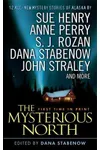
The Mysterious North (2002)
Edited by noted mystery author Dana Stabenow, this anthology collects short stories set in the rugged landscapes of Alaska and the far north. Brad Reynolds contributed a short story titled "The Twin" to this volume. In "The Twin," Reynolds once again weaves Native Alaskan culture into a suspenseful narrative, exploring a mysterious scenario where an ancient ceremonial mask appears to come to life. It serves as an excellent companion piece for fans of The Story Knife.
What to Know Before You Start
Before diving into Brad Reynolds's work, it helps to understand the unique perspective he brings to the genre:
- Autobiographical Roots: Reynolds's decades of service as a Jesuit priest, including years spent living in the Alaskan tundra and working closely with indigenous communities, directly inform Father Townsend's character. Townsend's respect for native traditions isn't a plot device; it reflects the author's real-life experiences and his photojournalism work for publications like National Geographic.
- Pacing and Tone: Readers should expect a deliberate, contemplative pace. Reflecting the protagonist's priestly patience, the novels focus as much on moral dilemmas, cultural education, and social justice as they do on typical mystery tropes.
- Regional Realism: The Pacific Northwest and Alaska are treated as active characters rather than simple backdrops. Reynolds's descriptions of the rainy Puget Sound, tribal lands, and the agricultural valleys of Washington are vivid, gritty, and atmospheric.