






The Recommended Reading Path
For the best experience, readers should follow Brenda Wilbee's primary works in their chronological order of events, which also matches their publication order. Because her main historical fiction series builds a continuous timeline around real historical figures and the founding of Seattle, jumping out of order will spoil major character developments and historical milestones.
Primary Reading Sequence
- Sweetbriar (1983) – Set in 1851, following Louisa Boren's trek to the Puget Sound and her romance with David Denny.
- Sweetbriar Bride (1986) – Covering the early years of the Boren-Denny marriage and the struggles of building a cabin in the wilderness.
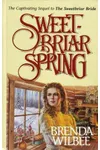
- Sweetbriar Spring (1989) – Focusing on the growth of the settlement and expanding community dynamics.
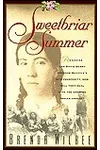
- Sweetbriar Summer (1997) – Developing the domestic lives and rising regional tensions of the early pioneers.
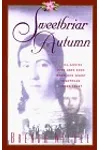
- Sweetbriar Autumn (1998) – Leading up to the boiling point of local cultural and territorial conflicts.
- Sweetbriar Hope (1999) – Set during the historical January 1856 Indian attack on Seattle, providing a dramatic climax to the family saga.
The Seattle Sweetbriar Series
The Seattle Sweetbriar series is Brenda Wilbee's signature achievement. Selling hundreds of thousands of copies, the series has even been utilized in Washington state classrooms to teach local frontier history. Rather than using purely fictional characters, Wilbee based her narrative on the real-life pioneers David Denny and Louisa Boren, drawing heavily from their actual diaries, letters, and court journals.
The story begins with the Boren and Denny party arriving at Alki Point in late 1851. Through the course of six novels, Wilbee weaves a narrative of deep faith, romance, and the sheer physical grit required to survive. The series transitions from the initial romantic courtship of Louisa and David to the complex realities of building a city, dealing with crop failures, managing isolation, and navigating the tragic outbreak of hostilities between the native inhabitants and the incoming settlers. Reading these books in order allows you to watch Seattle grow from a single cabin into a bustling frontier outpost.
Standalone Historical Fiction
Beyond the Sweetbriar series, Wilbee contributed to historical fiction with a standalone novel based on maritime history:
- Shipwreck! (1991) – Published as part of the "Heroic Women of Faith" series, this book is based on the true 1870 journal of Emily Wooldridge. It follows Emily and her husband, Captain Richard Gurney Wooldridge, as they set sail for South America, only to become shipwrecked on a desolate island off Cape Horn. The novel highlights themes of endurance, faith, and survival under extreme conditions.
Inspirational Non-Fiction
Wilbee's writing also extends to nonfiction, focusing on personal development, historical records, and faith:
- Taming the Dragons: Powerful Choices for Women in Conflict and Pain (First published in 1992, updated and re-released in 2020) – A self-help and spiritual guide that uses biblical stories, fairy tales, and personal anecdotes to help women work through trauma, relationship conflicts, and emotional pain.
- Skagway: It's All About the Gold (2013) – A historical and pictorial look at the 1898 Klondike Gold Rush in Skagway, Alaska, drawing from Wilbee's personal experience working as a historical tour guide in the region.
Practical Reader Advice
Are the books easy to find? Because the original editions of the Sweetbriar series and Shipwreck! are currently out of print, readers will have the best luck sourcing copies through secondhand book retailers, library systems, or online used book marketplaces. Brenda Wilbee has also made updates available directly to fans through her official channels and self-publishing initiatives.
Can the books be read as standalones? While the standalone novel Shipwreck! and her nonfiction works can be enjoyed independently at any time, the Seattle Sweetbriar series must be read sequentially. The books function as a serialized biography of Louisa Boren Denny; starting in the middle of the series will leave readers confused by the shifting family dynamics, marriages, births, and changing political landscape of early Washington territory.
Tone and Style: Expect a strong thread of Christian faith and traditional romance throughout Wilbee's novels. Her historical research is highly accurate, making these books excellent choices for readers who love detailed, realistic descriptions of pioneer housekeeping, early farming techniques, and authentic historical documentation mixed with domestic drama.