





Where to Begin Your Journey in Mossflower
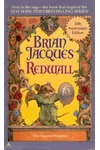
With twenty-two core novels in the main Redwall saga, plus picture books, short stories, and reference guides, entering the world of Brian Jacques can feel as daunting as facing down a horde of wildcats. Fortunately, the entry point is simple. We strongly recommend that first-time readers begin with the book that started it all: Redwall (published in 1986). Starting here introduces you to the core rules of the universe, the heart of Redwall Abbey, and the legendary legacy of Martin the Warrior through the eyes of the young, naive mouse Matthias. It establishes the baseline for all the world-building, dialects, and sensory rich writing that Jacques became famous for.
The Core Redwall Saga: Publication Order
Reading the series in publication order is widely considered the best experience for newcomers. Although the books jump around in time, this is how Brian Jacques originally revealed the history, lore, and secrets of the Abbey. Reading in this order allows you to appreciate how the author's writing style and world grew over twenty-five years.
- Redwall (1986)
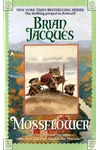
- Mossflower (1988)
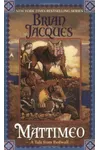
- Mattimeo (1990)
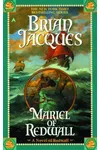
- Mariel of Redwall (1991)
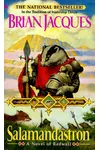
- Salamandastron (1992)
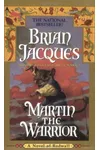
- Martin the Warrior (1993)
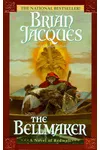
- The Bellmaker (1994)
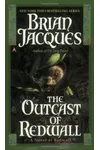
- Outcast of Redwall (1995)
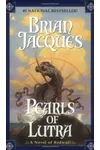
- The Pearls of Lutra (1996)
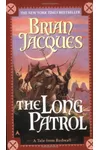
- The Long Patrol (1997)
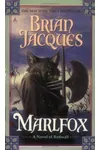
- Marlfox (1998)
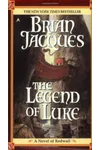
- The Legend of Luke (1999)
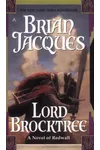
- Lord Brocktree (2000)
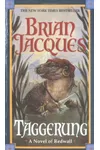
- Taggerung (2001)
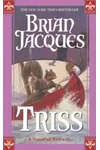
- Triss (2002)
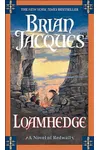
- Loamhedge (2003)
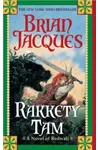
- Rakkety Tam (2004)
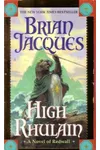
- High Rhulain (2005)
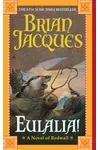
- Eulalia! (2007)
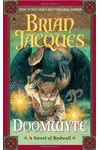
- Doomwyte (2008)
- The Sable Quean (2010)
- The Rogue Crew (2011)
Rewriting History: The Chronological Reading Order
For returning fans or ambitious readers who want to experience the history of Mossflower Wood from its ancient roots to its final published chronicles, chronological order is a thrilling alternative path. Jacques did not write the books in linear order; instead, he frequently went back in time to tell the origin stories of legendary figures or distant generations. In chronological order, the timeline is structured as follows:
- Lord Brocktree — Set long before the construction of Redwall Abbey, focusing on the badger Lord Brocktree and the struggle to protect Salamandastron.
- Martin the Warrior — The early life and struggles of the mouse who would eventually found Redwall Abbey.
- Mossflower — The core epic where Martin, alongside the woodland creatures, overthrows the tyrant wildcat Tsarmina, paving the way for the creation of Redwall Abbey.
- The Legend of Luke — Tells the story of Martin's father, Luke, though the framing story itself takes place after the events of Mossflower.
- Outcast of Redwall — Set a few generations after the founding of the Abbey.
- Mariel of Redwall — Follows the fierce mouse Mariel and her quest for vengeance.
- The Bellmaker — Direct sequel to Mariel of Redwall.
- Salamandastron — Focuses on the legendary badger mountain and its Hare patrol.
- Redwall — The classic tale of Matthias defending the Abbey against Cluny the Scourge.
- Mattimeo — A direct sequel to Redwall, following Matthias's son.
- The Pearls of Lutra — Set years after Mattimeo, involving a search for hidden tears and pearls.
- The Long Patrol — Features the young hare Tammo joining the legendary defensive force of Salamandastron.
- Marlfox — Follows the children of Redwall defending against the stealthy Marlfoxes.
- Taggerung — The story of an otter raised by a clan of vermin bandits who strives to reclaim his identity.
- Triss — Features a runaway slave girl who escapes to Redwall Abbey.
- Loamhedge — Characters journey back to the ancient ruins of Loamhedge.
- Rakkety Tam — A fun, action-packed adventure featuring a mercenary squirrel and highlander warfare.
- High Rhulain — Focuses on an otter maid who must fulfill a destiny to save her homeland.
- Eulalia! — Follows the rise of a badger lord and a quest involving a rogue badger.
- Doomwyte — Features a search for ancient treasures beneath the Abbey.
- The Sable Quean — A villainous queen kidnaps the children of Redwall Abbey.
- The Rogue Crew — The final novel, featuring a crew of sea-otters teaming up with the hares of Salamandastron.
Understanding Chronological Caveats
While the chronological path is fascinating, there are a few caveats you should keep in mind before diving in. First, several books like The Legend of Luke feature framing devices where characters in a "present" era tell stories of the past. Reading strictly chronologically can sometimes spoil or confuse these framing narratives. Second, the early-published books (specifically Redwall) contain minor inconsistencies in lore, geography, and species behaviors because the world-building was still in its infancy. For instance, a horse and carriage appear briefly in the first book, which contradicts the strictly medieval, animal-only world established in later volumes. Reading in publication order makes these minor discrepancies much easier to overlook as natural evolution of the author's work.
Subseries and Side Projects
Beyond the primary novels, Brian Jacques expanded his fictional universe with several companion pieces and spin-offs. If you want to experience everything Redwall has to offer, keep an eye out for these collections:
The Tribes of Redwall Series
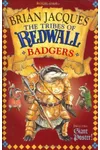
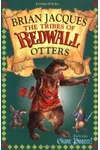
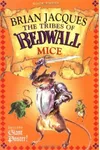
These are short booklets focusing on the specific histories, traits, and famous characters of the major species inhabiting Mossflower Wood. They serve as excellent quick-reference guides for younger readers.
- Badgers (2001)
- Otters (2002)
- Mice (2003)
- Hares (2006)
- Squirrels (2006)
Redwall Non-Fiction and Companion Books
From maps to recipes, these fun tie-in works are designed to make the experience of the books interactive.
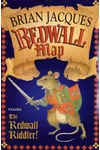
- Redwall Map & Riddler (1997)
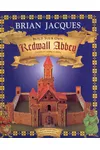
- Redwall Abbey (1998)
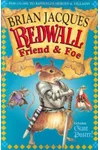
- Redwall Friend and Foe (2000)
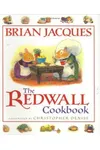
- The Redwall Cookbook (2005) — A collection of vegetarian recipes inspired by the famous, mouth-watering feasts described in the novels.
Redwall Picture Books and Graphic Novels
Perfect for introducing younger children to the universe before they are ready for the dense vocabulary of the novels.
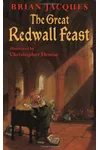
- The Great Redwall Feast (1996)
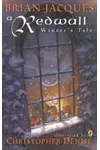
- A Redwall Winter's Tale (2001)
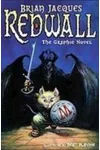
- Redwall: The Graphic Novel (2007)
What to Know Before You Start: The Brian Jacques Formula
Brian Jacques wrote stories that are famously rich in sensory details. Because he originally began telling stories to children at a school for the blind, he placed immense focus on descriptions of smells, sounds, textures, and tastes. This is most prominent in the series' legendary feast scenes, filled with descriptions of hot mint tea, candied chestnuts, and deeper, savory vegetable pasties. While the books feature epic battles between good and evil, they are deeply comforting, centering on themes of community, shared history, and the simple joys of a warm hearth. The villains are almost always slithering reptiles, rats, weasels, or wildcats, while the heroes are noble mice, badger lords, boisterous hares, and loyal otters. Knowing this formula helps readers settle in for cozy, predictable, but always thrilling adventures.
Other Works by Brian Jacques
If you need a break from Mossflower Wood, Brian Jacques wrote a few other notable works that showcase his love for historical fantasy and spooky tales:
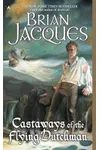
Castaways of the Flying Dutchman
This trilogy is a supernatural adventure following a mute boy, Ben, and his loyal dog, Ned. After being caught in the curse of the legendary ghost ship, the Flying Dutchman, they are granted eternal youth and the ability to speak to each other telepathically. They are sent on a quest across different historical eras to help those in need. The books should be read in order:
- Castaways of the Flying Dutchman (2001)
- The Angel's Command (2003)
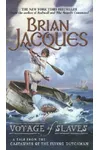
- Voyage of Slaves (2006)
Short Story Collections
If you enjoy spooky, gothic, or ghostly tales, Jacques also published two collections of short stories. These show a darker, more modern side to his signature storytelling style:
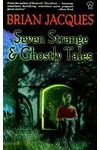
- Seven Strange and Ghostly Tales (1991)
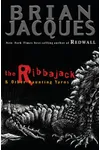
- The Ribbajack: and Other Curious Yarns (2004)