



Where to Start with Brian Keene
For readers new to Brian Keene's high-octane horror, finding the right entry point can feel daunting due to the sheer size of his bibliography and the overlapping connections between his books. Depending on your favorite subgenre, there are three primary starting tracks:
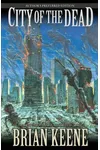
- The Zombie Route: Start with The Rising (2003). It is Keene's breakthrough novel and a modern genre classic. It features fast, intelligent, and demonic zombies, making it the perfect introduction to his raw, fast-paced action. Follow it immediately with its direct sequel, City of the Dead (2005).
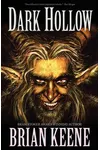
- The Occult / Folklore Route: Start with Dark Hollow (2006). This atmospheric, rural Pennsylvania story introduces the recurring Amish hex writer Levi Stoltzfus and is an excellent starting point for readers who prefer folkloric monsters and ancient magic over post-apocalyptic settings.
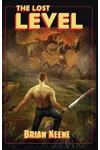
- The Cosmic / Interdimensional Route: Start with The Lost Level (2014). This portal-fantasy adventure leans heavily into pulp sci-fi and dimensional travel, serving as a gateway to Keene's wider multiverse without the heavy horror elements of his other books.
The Labyrinth Mythos: Keene's Interconnected Multiverse
Almost all of Brian Keene's novels, novellas, and short stories exist in a shared multiverse tied together by a cosmic structure known as The Labyrinth. In this mythos, various dimensions are under constant threat from ancient, malevolent cosmic entities known as The Thirteen (or the Siqqusim). Characters, settings, and events from separate books frequently cross paths, culminating in a dedicated crossover series.
While Keene has stated that his books are written to be enjoyed individually, readers will get the most out of the overarching saga by reading his foundational series before starting the main Labyrinth books. The central crossover novels are:
- The Seven (2021)
- Submerged (2022)
- Splintered (originally planned as Fractured, forthcoming)
- Falling Angels (forthcoming)
- The End (forthcoming pentalogy conclusion)
Foundational Series Breakdown
1. The Rising Series
Keene's iconic zombie saga does not feature typical brain-eating ghouls; instead, the undead are possessed by ancient, sadistic demons. The reading order for this trilogy and its companions is:
- The Rising (2003)
- City of the Dead (2005)
- The Rising: Deliverance (2010/2015) – A companion novella focusing on the early days of the outbreak from the perspective of a small-town reverend.
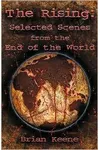
- Note: The short collections The Rising: Selected Scenes from the End of the World also contain canon side stories set during the apocalypse.
2. The Earthworm Gods (Conqueror Worms) Series
This series details a global apocalypse triggered by endless rain and the emergence of massive, prehistoric subterranean worms. There is minor title confusion here: the first book was originally published in 2005 as The Conqueror Worms, but Keene later re-released it under his preferred title, Earthworm Gods. Read them in this order:
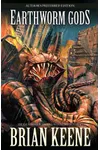
- Earthworm Gods / The Conqueror Worms (2005)
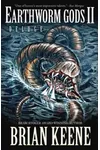
- Earthworm Gods II: Deluge (2013)
- Earthworm Gods: Selected Scenes from the End of the World (2010) – A companion collection of stories showing the flood's impact on survivors across the globe.
3. The Levi Stoltzfus (LeHorn's Hollow) Series
Levi Stoltzfus is a former Amish man who uses traditional PA Dutch hex magic to fight supernatural threats. This series is critical to the Labyrinth mythos, as Levi is a key player in the grand cosmic conflict. The reading order is:
- Dark Hollow (2006)
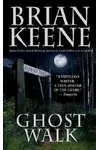
- Ghost Walk (2008)
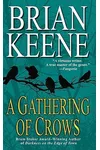
- A Gathering of Crows (2010)
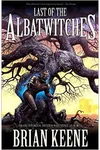
- Last of the Albatwitches (2013)
4. The Clickers Series
Originally created by J.F. Gonzalez, Keene collaborated with Gonzalez to continue this tribute to classic B-movie creature features involving predatory sea monsters. The sequence runs as follows:
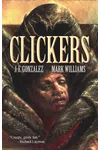
- Clickers (1999) – Written solely by J.F. Gonzalez.
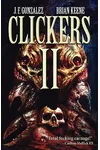
- Clickers II: The Next Wave (2006) – Co-authored by J.F. Gonzalez and Brian Keene.
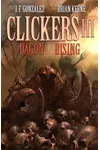
- Clickers III: Dagon Rising (2010) – Co-authored by J.F. Gonzalez and Brian Keene.
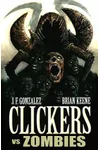
- Clickers vs Zombies (2012) – A crossover novel bridging the Clickers and Rising universes.
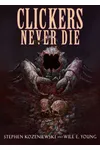
- Clickers Never Die (2022) – A final tribute following Gonzalez's passing.
5. The Lost Level Series
A pulp adventure series about an ordinary man who gets sucked through a dimensional rift into a dangerous world populated by dinosaurs, Neanderthals, and ancient beasts. It consists of:
- The Lost Level (2014)
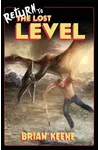
- Return to the Lost Level (2017)
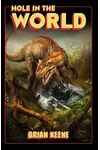
- Hole in the World (2018)
6. The Bastards Series
Co-authored with Steven L. Shrewsbury, this series features an older, battle-hardened barbarian named Rogan in a dark fantasy setting that ties directly back to Keene's cosmic mythos. The order is:
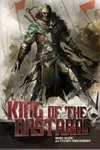
- King of the Bastards (2015)
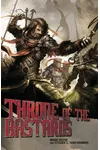
- Throne of the Bastards (2017)
- Curse of the Bastards (2022)
Standalones of Note
If you prefer self-contained stories, Keene has written several standout novels that require no prior reading:
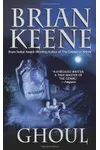
- Ghoul (2007) – A dark, coming-of-age horror novel set in 1984, following a group of kids who discover a flesh-eating monster living in their local cemetery.
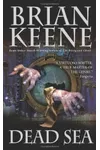
- Dead Sea (2007) – Another zombie novel, but set in a different continuity than The Rising. It follows a group of survivors who flee a burning city on a boat, only to find the virus has spread to marine life.
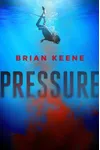
- Pressure (2016) – A deep-sea ecological thriller set at the bottom of the ocean.
A Note on Comics and Franchises
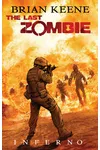
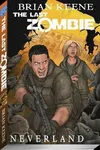
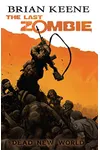
Brian Keene has also worked extensively in comics and licensed properties. His notable comic run is The Last Zombie (2010–2015), a 25-issue post-apocalyptic story collected in volumes like Inferno and Neverland, and compiled in the omnibus The Last Zombie: Reskinned (2025).
Additionally, while Keene has contributed stories to anthologies within major franchises—such as the DC Comics volume Masters of the Universe: Origins of Eternia (specifically co-writing the Origin of Hordak #1 issue) and The X-Files prose anthologies Trust No One (2015) and The Truth Is Out There (2016)—he is not the author of those entire franchise catalogs.