
Where to Start Reading Bryan Mealer
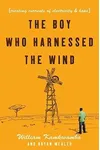
For most readers, the absolute best place to start is with Bryan Mealer's most famous and celebrated work, The Boy Who Harnessed the Wind (2009), co-authored with William Kamkwamba. This international bestseller tells the remarkable true story of a Malawian teenager who built a windmill from library books and scrap metal to save his village from famine. It is an inspiring entry point that showcases Mealer's ability to structure raw real-life events into a gripping, emotionally resonant narrative.
However, because Mealer writes narrative non-fiction rather than interconnected fiction series, your starting point depends on your personal interests:
- For inspirational biography and science: Start with The Boy Who Harnessed the Wind.
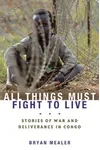
- For raw, immersive war journalism: Start with his debut, All Things Must Fight to Live (2008), which details his years reporting on the ground in the Democratic Republic of Congo.
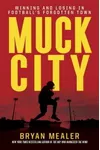
- For sports drama and social commentary: Start with Muck City (2012), focusing on high school football as a lifeline in a struggling Florida town.
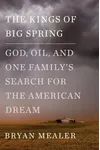
- For multi-generational family memoirs: Start with The Kings of Big Spring (2018), a deep dive into Texas history, the oil industry, and his own family's struggles and dreams.
Bryan Mealer Books in Publication Order
Since all of Bryan Mealer's books are standalone works of non-fiction, they do not follow a narrative continuity. Reading them in publication order allows you to follow Mealer's evolution from a combat correspondent to a master of long-form narrative profile and family biography.
- All Things Must Fight to Live: Stories of War and Deliverance in Congo (2008)
- The Boy Who Harnessed the Wind: Creating Currents of Electricity and Hope (with William Kamkwamba) (2009)
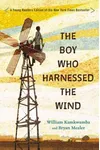
- The Boy Who Harnessed the Wind: Picture Book Edition (with William Kamkwamba, illustrated by Elizabeth Zunon) (2012)
- Muck City: Winning and Losing in Football's Forgotten Town (2012)
- The Boy Who Harnessed the Wind: Young Readers Edition (with William Kamkwamba) (2015)
- The Kings of Big Spring: God, Oil, and One Family's Search for the American Dream (2018)
Deep Dive: The Boy Who Harnessed the Wind Editions
One of the most common points of confusion for readers is navigating the three distinct editions of The Boy Who Harnessed the Wind. Because the book is widely taught in schools and loved by families, Mealer and Kamkwamba adapted the original text for different age brackets:
The Original Memoir (2009)
This is the full-length, adult edition. It provides the deepest context regarding the political instability, agricultural policies, and severe economic challenges that led to the Malawian famine of the early 2000s. It also contains detailed, step-by-step descriptions of the physics and mechanics William used to build his windmill. It is best suited for adults and high school students.
The Picture Book Edition (2012)
Designed for young children (ages 6 to 8), this version features beautiful, textured oil and cut-paper collage illustrations by Elizabeth Zunon. The prose is simplified and poetic, focusing heavily on the themes of curiosity, perseverance, and helping one's family. It is perfect for reading aloud to early elementary students.
The Young Readers Edition (2015)
Targeted at middle-grade readers (ages 10 to 14), this edition streamlines the historical and technical details of the original memoir while preserving the emotional core of the famine and William's inventiveness. It features photographs of William and his family, plus a helpful epilogue charting his educational journey after the windmill went viral.
Understanding Bryan Mealer's Standalone Works
To help you decide what to read next after his windmill memoir, here is a detailed breakdown of Mealer's other major non-fiction publications:
All Things Must Fight to Live (2008)
Before achieving bestseller status, Mealer worked as an Associated Press correspondent in Kinshasa. This debut book compiles his firsthand accounts of the Second Congo War and its chaotic aftermath. Rather than focusing solely on geopolitical policy, Mealer highlights the resilience of everyday citizens—doctors, merchants, and families—trying to survive amidst violence. It is intense, unflinching, and deeply empathetic.
Muck City (2012)
Mealer spent seasons embedded in Belle Glade, Florida, a town surrounded by sugarcane fields that has produced an extraordinary number of NFL players. Muck City examines the intense pressure placed on the local high school football team, the Raiders, as they chase a state championship. The book explores how the community uses football as both a temporary escape from poverty and a lottery ticket out of the Everglades muck. It is a must-read for fans of narrative sports writing like Friday Night Lights.
The Kings of Big Spring (2018)
In this expansive memoir, Mealer turns his journalistic lens inward to examine his own family history. Spanning four generations, the book follows the Mealer family's migration to the oil fields of West Texas. It explores the boom-and-bust cycles of the oil industry, the rise of fundamentalist religion in the region, and the pursuit of the elusive American Dream. It offers a rich, atmospheric look at the culture and landscape of West Texas.
What to Know Before You Start
Bryan Mealer's writing is characterized by immersive, boots-on-the-ground reporting. He does not write from a distance; he lives in the communities he covers, whether that means navigating war zones in Central Africa, standing on the sidelines in Belle Glade, or interviewing family elders in Texas. As a result, his books carry a high degree of emotional truth and detail.
While his subjects range widely—from war and famine to sports and family history—the unifying thread across all his books is the survival of the human spirit against systemic hardships. Readers should be prepared for intense topics like poverty, violence, and hunger, but they will always find a strong current of hope and dignity running through his narratives.