
The Recommended Reading Path
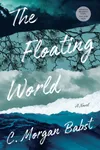
C. Morgan Babst is best known for her brilliant and emotionally devastating portrait of post-Katrina New Orleans in her debut novel, The Floating World. While her published book bibliography is concise, she has written several short stories and essays that expand on the themes, settings, and characters of her main work. To get the most complete experience of her writing, we recommend the following path:
- The Floating World (2017) – Start here. This is her debut novel and the cornerstone of her literary career. It introduces you to the Boisdoré family and the immediate, raw trauma of the storm and its aftermath.
- “Salvifici Doloris” (Prequel Story) – Read this after the novel. Though chronologically it takes place before the events of the book, it functions beautifully as a companion piece that adds historical and emotional depth to the family dynamics you learn about in the novel.
- Selected Essays and Short Fiction – Dive into her celebrated essays like “Death Is a Way to Be” and “The House of Myth,” along with other short stories like “At the Time When Kings Go Off To War” and “The Island Theory,” to explore the broader social fabric of her native city.
Chronological Order Option
If you prefer to read the narrative in the order the events actually occurred, you can read the prequel short story first:
- “Salvifici Doloris” (Prequel Story)
- The Floating World (2017)
Publication Order of C. Morgan Babst Books and Linked Fiction
Here is the chronological order of publication for Babst's fiction and connected writing:
- “Salvifici Doloris” (Prequel Story) – Published online and featured on the author's official website as a direct prequel to her debut novel.
- The Floating World (2017) – Published by Algonquin Books. This is her first full-length standalone novel.
Chronological vs. Publication Order: The Timelines Explained
The timeline of the Boisdoré family is split between the impending threat of Hurricane Katrina and its long, agonizing aftermath. The prequel story, “Salvifici Doloris” (taking its title from Pope John Paul II's apostolic letter on the Christian meaning of human suffering), captures the family in the moments leading up to the storm's arrival. It highlights the cracks in Joe and Tess's marriage and the weight of tradition hanging over their lives.
By contrast, The Floating World opens in the immediate wreckage of the storm, focusing on the scattered members of the family: Cora, who stayed behind and is left traumatized and catatonic; Del, who evacuated to New York City and returns to search for answers; Joe, a Creole artist trying to protect his ailing father; and Tess, a white psychiatrist grappling with her own guilt. While reading chronologically is rewarding, reading the novel first allows you to experience the mystery of Cora's silence exactly as the family does, making the prequel a richer, more revelatory experience when read second.
What to Know Before You Start
Before diving into C. Morgan Babst's work, it helps to understand the deep cultural, social, and personal threads that weave through her writing:
The Creole Cabinetmakers
The Boisdoré family at the center of The Floating World are Creole furniture makers, descended from freed slaves who built a reputation for crafting beautiful, enduring woodwork. This craft serves as a central metaphor in the book, contrasting the physical permanence of handmade art with the devastating impermanence of the storm that washes away their city.
An Interracial Marriage Under Strain
The marriage between Joe Boisdoré and Tess Eshleman brings together two different sides of New Orleans: Joe's family of Creole artisans and artists, and Tess's family of white, wealthy Uptown elites. The novel explores how the trauma of Hurricane Katrina exposes the underlying racial and class divides that were already present in their marriage and the wider city.
Lewy Body Dementia
Vincent Boisdoré, the patriarch of the family and a master woodworker, suffers from Lewy Body dementia. His struggle to hold onto his memories mirrors the city's struggle to retain its history, heritage, and physical landmarks after the floodwaters rise.
Personal Experience
Babst’s portrayal of the storm is deeply authentic. She was born and raised in New Orleans and evacuated the city just one day before Hurricane Katrina made landfall in 2005. She spent eleven years in displacement in New York City before finally returning home, a journey that heavily inspired the character of Del Boisdoré.
Essays and Non-Fiction: The Cultural Companions
Beyond her fiction, C. Morgan Babst is a highly decorated essayist. Her non-fiction pieces offer a sharp, lyrical look at the same socioeconomic and racial divides that define her novel. If you want to understand the real-world contexts of her stories, we recommend reading:
- “Death Is a Way to Be” (2016) – Named a Notable Essay in Best American Essays 2016, this piece explores grief, mortality, and the cultural landscape of New Orleans.
- “The House of Myth: On the Architecture of White Supremacy” (2020) – Named a Notable Essay in Best American Essays 2020, this work dissects the structural racism and historical myths embedded in the architecture of her hometown.
Her other essays and short fiction have appeared in prominent journals such as The Oxford American, Guernica, Harvard Review, New Orleans Review, The Washington Post, Saveur, and Garden & Gun, solidifying her voice as a premier chronicler of modern Southern life.