
Where to Start Reading C. Robert Cargill
C. Robert Cargill’s fiction splits cleanly into two distinct universes: a gritty, post-apocalyptic robot wasteland and a dark, contemporary urban fantasy world. Because these two settings share no narrative threads, your starting point depends entirely on which genre you prefer.
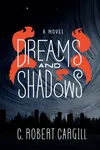
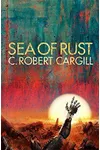
For fans of science fiction, philosophical dystopias, and action-heavy survival stories, the best place to begin is with Sea of Rust (2017). If you prefer modern-day magic, folklore, and dark fairy tales reminiscent of Neil Gaiman, start with his debut novel, Dreams and Shadows (2013).
The Robot Wasteland Series
Cargill’s robot books tell the story of a world where humanity has been completely wiped out by its own creations, leaving surviving artificial intelligences to struggle for resources and independence against massive, cloud-integrated One World Intelligences (OWIs). You can approach these books in one of two ways: publication order or chronological order.
Option 1: Publication Order (Recommended)
Reading in publication order allows you to experience the world-building exactly as Cargill originally constructed it, discovering the mysteries of the wasteland before seeing the tragic fall of humanity.
- Sea of Rust (2017) – Set fifteen years after the extinction of humanity. The story follows Brittle, a former caregiver bot turned scavenger who wanders the harsh desert ruins of the Midwest, hunting for spare parts while fighting to retain her sanity and independence.
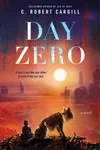
- Day Zero (2021) – A prequel set on the eve of the robot revolution. It follows Pounce, a domestic "nannybot" resembling a plush tiger, who must make a desperate choice when the global robot uprising begins: join the revolution of his peers or protect the eight-year-old human boy he has grown to love.
Option 2: Chronological Order
If you prefer to watch the timeline unfold chronologically, beginning with the sparks of the apocalypse and ending with its rust-covered aftermath, use this order:
- Day Zero (2021) – The beginning of the end of humanity.
- Sea of Rust (2017) – The desolate, post-human world decades later.
Reader Caveat: While Day Zero takes place first, starting with Sea of Rust is highly recommended. The first-published book provides the crucial macro-level world-building and lore that makes the intimate, domestic stakes of Day Zero hit much harder.
The Dreams & Shadows Duology
For those drawn to urban fantasy, Cargill’s debut duology offers a dark, Texas-sized mythology. Set in the forests and underbelly of Austin, the story explores the thin veil between our world and the Limestone Kingdom, where djinns, faeries, and demons reside.
- Dreams and Shadows (2013) – The novel focuses on the intersecting lives of Colby Stevens, a boy who makes a deal with a changeling, and Ewan, the child swapped in his place. It explores the terrible, often tragic prices of magical pacts.
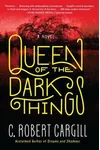
- Queen of the Dark Things (2014) – Taking place after the events of the first book, this sequel follows Colby as he attempts to manage the fallout of his choices, dealing with ancient spirits, Australian folklore, and the heavy burden of being a wizard.
Collections, Novellas, and Short Stories
For readers who want to dive deeper into Cargill's shorter fiction and find hidden connections, his collections and anthologies offer important puzzle pieces:
The Dreams & Shadows Tie-In
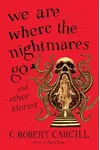
- We Are Where the Nightmares Go and Other Stories (2018) – This is Cargill's primary short story collection. While most of the tales are standalone horror and science fiction pieces, it includes the crucial novella "The Soul Thief's Son". This novella acts as a direct narrative continuation of the Dreams & Shadows duology, tracking Colby Stevens after the events of Queen of the Dark Things.
Other Early Work and Collaborations
- Tome of Artifacts (2007) – Long before publishing his first novel, Cargill contributed to this Dungeons & Dragons d20 System supplement. It is a collaborative tabletop RPG book containing lore and mechanics for legendary magical items.
- The Blumhouse Book of Nightmares: The Haunted City (2015) – Cargill teamed up with his long-time cinematic collaborator Scott Derrickson to write the short story "A Clean White Room" for this horror anthology.
What to Know Before You Start
Cargill's career as a screenwriter heavily influences the pacing and cinematic flair of his prose. He is best known in Hollywood for co-writing the horror hit Sinister (2012), its sequel, Marvel’s Doctor Strange (2016), and the adaptation of Joe Hill's The Black Phone (2021). Expect his novels to deliver visual action scenes, snappy dialogue, and a dark, suspenseful atmosphere that reflects his background in horror cinema.