








The Ultimate Carol Ryrie Brink Reading Guide
Carol Ryrie Brink is best remembered for bringing the American frontier to life with warmth, humor, and a deep sense of family. Her stories balance historical realism with a spirited, adventurous tone. Navigating her bibliography is relatively straightforward, as her books are divided into distinct duologies, a thematic adult trilogy, and several standalone classics. While publication order is generally the safest way to read her books, there are a few series connections and historical settings that benefit from strategic reading guidance.
Recommended Starting Point: Caddie Woodlawn
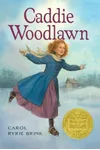
If you are new to Carol Ryrie Brink, the absolute best place to start is her Newbery Medal-winning masterpiece, Caddie Woodlawn (1935). Rooted in the frontier childhood stories of Brink's own grandmother, this novel introduces readers to the spirited, red-headed Caddie Woodlawn as she runs wild on the Wisconsin frontier during the Civil War. It perfectly encapsulates Brink's writing style: rich historical settings, strong-willed protagonists, and stories that focus on growth, empathy, and family bonds. Reading this first sets the stage for the rest of her children's historical fiction.
The Caddie Woodlawn Duology
The Caddie Woodlawn books are the cornerstone of Brink's career. Although they only span two books, they are rich in detail and character growth.
1. Caddie Woodlawn (1935)
Set in 1865, this novel follows eleven-year-old Caddie Woodlawn, who was allowed to run wild in the Wisconsin woods with her brothers to build her health. The book depicts the daily realities of pioneer life, her interactions with local Native Americans, and the impending pressure on Caddie to grow up and behave like a proper lady. It is a wonderful mix of adventure, historical tension, and coming-of-age themes.
2. Caddie Woodlawn's Family / Magical Melons (1939)
First published in 1939 as Magical Melons, this book was later reissued under the title Caddie Woodlawn's Family. It is a direct companion and sequel, but with a different structure. Instead of a single continuous narrative, it features fourteen episodic short stories set on the Wisconsin frontier between 1863 and 1866. Because many of these stories overlap chronologically with the timeline of the first novel, they serve as a wonderful companion piece. We recommend reading this immediately after the main novel to spend more time with Caddie and her six siblings.
The Chrys and Cordy Series (Warsaw, Idaho)
Based closely on Brink's own childhood memories of growing up in Moscow, Idaho, this two-book series is set in the early 1900s in the fictionalized town of "Warsaw, Idaho."
1. Two Are Better Than One (1968)
This charming novel introduces Chrystal (Chrys) and Cordelia (Cordy), two young girls growing up in a small Idaho town. The plot centers on their deep friendship, their active imaginations, and the stories they write together about two wooden dolls. It is a nostalgic look at pre-World War I childhood, emphasizing the power of play and creativity.
2. Louly (1974)
Serving as a companion and follow-up, Louly shifts the focus to a vibrant, slightly older teenage character named Louly. When Louly is left in charge of her household for the summer, she coordinates elaborate imaginative games for the neighborhood children, including Chrys and Cordy. Although Chrys and Cordy are supporting characters here, the shared universe, setting, and timeline make it best to read this second.
The Ridgeway Family Duology
Inspired by the author's own family life in Saint Paul, Minnesota, this modern duology shifts away from the historic frontier to focus on academic family life in the mid-20th century.
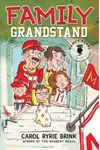
1. Family Grandstand (1952)
This cozy family story introduces the Ridgeway family: Professor Ridgeway, his wife, and their children Susan, George, and "Dumpling." The family lives in a house featuring a tower that overlooks the university's football stadium. The narrative follows the children's daily adventures, including their efforts to help the university's star quarterback get his grades up.
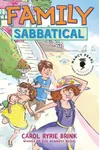
2. Family Sabbatical (1956)
In this direct sequel, Professor Ridgeway takes a six-month historical research sabbatical in France, bringing the entire family along. The humor in this book stems from the children adjusting to French hotels, interacting with a strict governess, and trying to explain American traditions (like Halloween and Thanksgiving) to their new European friends. Read these in order to follow the natural timeline of the children growing up.
The Adult Idaho Trilogy
For older readers, Carol Ryrie Brink wrote a thematic trilogy set in north-central Idaho. These are not children's books; they are adult historical novels that explore the struggles, ambitions, and tragedies of early frontier communities. While they do not share characters and can be read as standalones, they are best read in order of publication to appreciate how Brink developed her depiction of her home state's history.
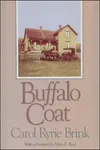
1. Buffalo Coat (1944)
This novel draws heavily on the early history of Moscow, Idaho (renamed "Opportunity" in the book). It focuses on the medical community, tracing the lives, rivalries, and tragic fates of three doctors and their families. It is a realistic, sometimes dark look at the high cost of progress and the personal ambitions of early settlers.
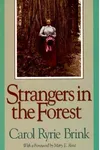
2. Strangers in the Forest (1959)
Based on her own family history, this novel centers on the challenges of homesteading on a timber claim near Clarkia, Idaho. It explores the friction between conservationists, homesteaders, and large timber companies during the early 20th century.
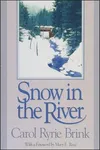
3. Snow in the River (1964)
This deeply personal novel is rooted in the history of the Ryrie brothers (who emigrated from Scotland to Idaho) and is influenced by the tragic death of Brink's mother. It serves as a fitting conclusion to her adult historical explorations of the region.
Essential Standalone Children's Classics
In addition to her series, Brink wrote several standalone children's novels that showcase her versatility. These can be read in any order at any time, but here are the highlights:
- Anything Can Happen on the River (1934): Brink's debut novel, inspired by her travels in France. It follows a young boy's adventures on a barge on the River Seine and is the perfect starting point to see where her career began.
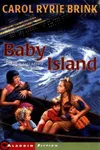
- Baby Island (1937): A whimsical and popular "Robinsonade" adventure. Two resourceful sisters, Mary and Jean, find themselves shipwrecked on a tropical island with four babies. Their practical childcare skills, along with their interactions with a gruff, child-hating hermit named Mr. Peterkin, make this a delightful, lighthearted read.
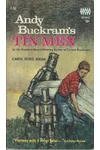
- Andy Buckram's Tin Men (1966): A rare venture into early science fiction for children. It tells the story of a resourceful boy who builds four functional robots out of tin cans, which come to life during a severe storm and flood.
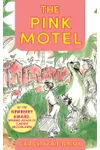
- The Pink Motel (1959): A quirky mystery-adventure where a family inherits an unusual, bright pink motel in Florida, filled with eccentric guests and strange occurrences.
- Winter Cottage (1968): A comforting winter story about a family that takes refuge in an empty summer cottage during a freeze, highlighting resourcefulness and warmth in difficult times.
What to Know Before You Start
When reading Carol Ryrie Brink, keep in mind that much of her work is semi-autobiographical. She was orphaned by the age of eight and raised by her grandmother and an aunt in Idaho. This background explains the recurring themes of orphanhood, strong sibling bonds, and the prominent role that grandparents or community mentors play in her books. Additionally, while the historical themes in her books are generally praised, modern readers should note that older books depicting 19th-century frontier settings (such as Caddie Woodlawn) sometimes reflect period-typical attitudes toward Native Americans, though the book is notable for Caddie's active friendship with Indian John, which challenges some of her family's prejudices.