
Where to Start with Carol Zoref
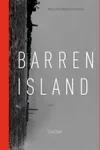
For anyone looking to experience Carol Zoref's evocative and lyrical prose, the starting point is singular yet deeply immersive: her award-winning debut novel, Barren Island (2016). Set in the early 20th century off the coast of Brooklyn, the novel is a masterclass in historical fiction, breathing life into a forgotten industrial community on a shoal in Jamaica Bay.
Because Zoref's current bibliography centers on this major work, readers do not have to navigate a sprawling series. Instead, you can fully invest your time in this standalone masterpiece, which offers a rich, self-contained journey through American history, immigrant struggles, and the search for human dignity in the most challenging environments.
Understanding the Structure of Barren Island
While Barren Island is a single novel, its narrative structure is layered, blending a retrospective perspective with chronological coming-of-age storytelling. Understanding this design is key to appreciating the depth of Zoref's writing:
- The Retrospective Frame: The novel is narrated by Marta Eisenstein Lane, who looks back on her childhood and youth from the perspective of her 80th birthday. This elder narrative voice provides moral clarity, historical hindsight, and emotional maturity to the events.
- The Chronological Core: Marta's recollection takes readers back to the 1930s, documenting her life on the island from her early years through to her high school graduation. Through her eyes, we experience the grim realities of the Great Depression, local labor unionization, and the rising global threat of European fascism.
The juxtaposition of a young girl's direct experiences with the wisdom of an elderly narrator creates a unique double-lens that makes the reading experience feel like an epic family saga condensed into a single volume.
What to Know Before You Start
Before diving into Barren Island, here are a few practical insights to enhance your reading experience:
- A Forgotten Historical Location: Barren Island was a real place in New York City's Jamaica Bay. It housed the city's rendering plants, where the carcasses of draft horses and other animals were boiled down into glue and fertilizer. Zoref was inspired to write the book after reading a New York Times article detailing the history of municipal waste in New York.
- A Tapestry of Voices: The island's community in the book is a diverse melting pot of immigrant families—Jewish, Greek, Italian, and African American. Despite the environmental squalor and the pervasive stench of the factories, Zoref focuses on the warmth, intellect, and resilience of the community.
- Themes of Morality and Faith: The characters continuously struggle with profound questions of social justice, labor rights, and faith. Marta's family and neighbors process external historical upheavals, turning their isolated island into a microcosm of the mid-20th-century world.
Future Works-in-Progress
While Zoref has not yet released a second novel, she has shared details about her next project. In interviews, she revealed she is working on a new novel centered on the unlikely connection between two main characters: a woman running an artisanal bakery in New York and a man working as a nuclear physicist. Like her debut, this upcoming book promises to examine themes of human connection, the intersection of disparate lifestyles, and the exploration of identity in New York City.