







Where to Start Reading Carolina De Robertis
Carolina De Robertis (writing novels as both Carolina De Robertis and Caro De Robertis) writes lush, deeply emotional historical fiction. Because all of their novels are standalone works, you can pick up any book that catches your eye. However, three main entry points stand out depending on your reading preferences:
- For the Ultimate Masterpiece: Start with Cantoras (2019). This Stonewall Book Award winner is widely considered the author's most powerful work, following five lesbian friends finding love, sanctuary, and defiance under the Uruguayan military dictatorship of the 1970s.
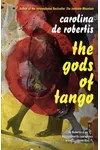
- For Queer Historical Romance & Music: Start with The Gods of Tango (2015). Set in 1913 Buenos Aires, it tells the story of an Italian immigrant who disguises herself as a man to play the violin in the rugged, male-dominated early tango scene.
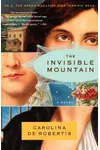
- For Multigenerational Epics: Start with the debut novel, The Invisible Mountain (2009). If you love sweeping family sagas like Gabriel García Márquez's works, this book tracking three generations of Uruguayan women through the turbulent 20th century is your perfect match.
Chronological Reading Order by Historical Setting
While publication order is the most common way to read De Robertis, reading them chronologically by their historical settings offers a breathtaking journey through time—spanning ancient Greek myth, early 20th-century immigration, mid-century dictatorships, and contemporary political reflection.
- The Palace of Eros (Published in 2024 as Caro De Robertis) — Set in Ancient Greece. A queer, feminist reimagining of the classic myth of Eros and Psyche, subverting traditional gender roles and exploring the true nature of desire.
- The Gods of Tango (Published in 2015) — Set beginning in 1913. Immerses readers in the bustling immigrant communities of Buenos Aires and the birth of tango music.
- The Invisible Mountain (Published in 2009) — Spans the entire 20th century. Tracks the history of Uruguay starting in 1900 through the lives of Pajarita, her daughter Eva, and her granddaughter Salomé.
- Cantoras (Published in 2019) — Set from 1977 through the late 1980s. Centers on the political oppression of the Uruguayan military dictatorship and the secret refuge the characters build at the remote coast of Cabo Polonio.
- Perla (Published in 2012) — Set in late 1990s / early 2000s Argentina. Explores the painful legacy and memory of the Dirty War through a young woman who discovers shocking truths about her adoptive family.
- The President and the Frog (Published in 2021) — Set in contemporary times with flashbacks. Follows an elderly, unnamed former president (strongly inspired by Uruguay's real-life leader José Mujica) reflecting on his years of solitary confinement and discussing life with an unexpected frog companion.
Publication Order of Standalone Novels
If you prefer to see the author's style develop from sweeping historical canvases to intimate, mythic, and magical realist tales, follow the order in which the books were released:
- The Invisible Mountain (2009)
- Perla (2012)
- The Gods of Tango (2015)
- Cantoras (2019)
- The President and the Frog (2021)
- The Palace of Eros (2024)
Non-Fiction and Edited Anthologies
Beyond fiction, De Robertis has curated and written non-fiction that centers on resistance, hope, and queer voices of color. These can be read at any time:
- Radical Hope: Letters of Love and Dissent in Dangerous Times (2017) — An anthology edited by De Robertis containing letters and essays from prominent writers offering vision and strength in challenging political times.
- So Many Stars: An Oral History of Trans, Nonbinary, Genderqueer, and Two-Spirit People of Color (2025) — A groundbreaking volume of compiled oral histories detailing the struggles, joy, and legacy of queer and trans BIPOC elders.
What to Know Before You Start
De Robertis's writing is highly poetic, lyrical, and deeply character-driven. Many of their novels deal directly with historical traumas, including Argentina's Dirty War and Uruguay's dictatorship, which means readers will encounter themes of political imprisonment, loss, and state violence. However, the author balances these dark themes with themes of queer joy, resilient friendships, and the transformative power of art and music. Additionally, De Robertis is a renowned literary translator who translated their own novel Cantoras into Spanish, alongside translating works by Latin American writers like Alejandro Zambra and Roberto Ampuero.