

The Recommended Reading Path: Where to Start
Lady Caroline Blackwood did not begin writing fiction until her forties, but she made up for lost time with a series of sharp, gothic novellas and chillingly detached journalistic pieces. Because her works are entirely standalone and do not share recurring characters or linear continuities, you can read them in any order. However, to appreciate her evolution as a writer and experience her at her absolute best, we recommend starting with her most acclaimed masterpiece:
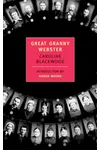
- Step 1: Great Granny Webster (1977) – Start here. This Booker Prize-nominated novella is a darkly comedic, semi-autobiographical portrait of a cold, toxic matriarch and her crumbling Anglo-Irish aristocratic family. It perfectly encapsulates Blackwood's style: brief, elegant, and unapologetically cruel.
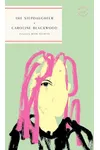
- Step 2: The Stepdaughter (1976) – Follow up with her award-winning debut novel. Written in an epistolary format, it follows a woman left to care for her husband's obese daughter in a claustrophobic, high-rise apartment in New York. It is a brilliant study of isolation and resentment.
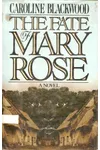
- Step 3: The Fate of Mary Rose (1981) – Dive into this chilling psychological mystery that explores how a small village and an obsessive father react to a child's tragedy. It showcases Blackwood's ability to blend suspense with domestic horror.
- Step 4: Corrigan (1984) – Read her final novel, a mordant comedy of manners about a grieving widow and a charismatic, wheelchair-bound Irishman who arrives in her village, exposing the performative nature of charity and devotion.
Caroline Blackwood’s Standalone Novels (Publication Order)
While Blackwood's novels are standalone works, reading them in chronological order of publication highlights her developing control over tone and narrative voice. Note that some local databases list The Fate of Mary Rose as being published in 1974, but historical sources confirm its publication was in 1981.
- The Stepdaughter (1976) – Winner of the David Higham Fiction Prize, this short novel is a sharp examination of parental neglect and domestic entrapment.
- Great Granny Webster (1977) – A Booker Prize finalist that draws heavily on Blackwood's own upbringing within the wealthy Guinness family.
- The Fate of Mary Rose (1981) – A dark, psychological exploration of maternal obsession and local panic surrounding a crime.
- Corrigan (1984) – A longer, more traditional novel compared to her earlier novellas, focusing on manipulation, grief, and deceptive charm.
Collections and Short Fiction
Blackwood began her literary career not with a novel, but with a mix of essays, memoirs, and short stories. Her shorter pieces are essential for readers who want to understand her range as a journalist and storyteller.
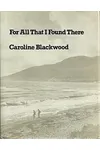
- For All That I Found There (1973) – Blackwood's literary debut. This volume combines short stories with non-fiction pieces, including vivid, bleak memories of her Northern Irish childhood and reportage from 1960s Harlem.
- Good Night Sweet Ladies (1983) – A collection of short stories centered on women facing various stages of breakdown, grief, and societal pressure.
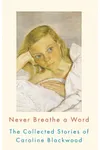
- Never Breathe a Word: The Collected Stories of Caroline Blackwood (2010) – A posthumous collection that gathers her finest short stories and autobiographical vignettes into a single, accessible volume, ideal for completionists.
The Non-Fiction and Collaborations
Blackwood's non-fiction is just as biting and observant as her novels. In many ways, her real-life observations of high society and cultural events served as the raw material for her fiction.
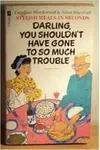
- Darling, You Shouldn't Have Gone to So Much Trouble (1980) – A collaborative "cheater" cookbook written with her close friend Anna Haycraft (who wrote under the pen name Alice Thomas Ellis). It is filled with time-saving, often chaotic hostess tips and recipes contributed by their circle of famous friends.
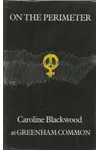
- On the Perimeter (1984) – A short, powerful work of journalism detailing Blackwood's visits to the Greenham Common Women's Peace Camp, focusing on the lives and psychology of the anti-nuclear protesters.
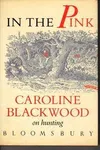
- In the Pink (1987) – An unflinching look at the culture, rituals, and obsessiveness of English fox-hunting, as well as the saboteurs who opposed it.
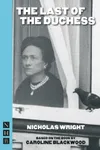
- The Last of the Duchess (1995) – A fascinating, biographical account written in 1980 but suppressed for fifteen years due to legal threats from the Duchess of Windsor's lawyer, Maître Suzanne Blum. It details Blackwood's bizarre attempts to interview the fading Duchess.
What to Know Before You Start
Caroline Blackwood's prose is not for the faint of heart. Her writing is characterized by a macabre, mordantly funny style that relies heavily on deadpan delivery. She was a muse to famous figures like Lucian Freud and Robert Lowell, but her writing is entirely her own. She frequently explored the dark underbelly of aristocratic life, mother-daughter dynamics, and physical or mental decay. Most of her books are novellas, meaning they can easily be read in a single sitting, but their haunting atmospheres will linger far longer.