

Where to Start with Caroline Graham
For readers looking to dive into the work of Caroline Graham, the best path is exceptionally straightforward: start with the Chief Inspector Barnaby series in publication order. Because the books follow the progressive career and personal lives of Detective Chief Inspector Tom Barnaby and his assistant Sergeant Gavin Troy, reading them in order ensures you capture the evolution of their working relationship and the shifting dynamics of the fictional, murder-prone county of Midsomer.
Unlike complex fantasy universes or thrillers that jump around in history, Graham's series features no prequel novels or chronological deviations. The chronological sequence is identical to the order in which the books were published. Standalone novels can be read at any time, but if you want the classic British mystery experience that made Graham famous, the Barnaby series is the undisputed starting point.
Chief Inspector Barnaby Series in Publication Order
Caroline Graham wrote exactly seven novels featuring Chief Inspector Barnaby between 1987 and 2004. Here is the complete list of the Inspector Barnaby books in order:
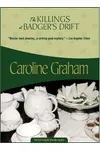
- The Killings at Badger's Drift (1987): The novel that started it all. DCI Tom Barnaby is called to investigate the sudden death of an elderly spinster, Emily Simpson, in an idyllic English village. What looks like a heart attack is soon revealed to be a cold-blooded poisoning, opening a Pandora's box of village secrets, incest, and blackmail.
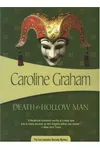
- Death of a Hollow Man (1989): Set against the backdrop of an amateur theatrical production of Amadeus in Causton. When an actor's prop tape is replaced with a real razor blade, DCI Barnaby must find out who wanted the leading man dead. This novel draws heavily on Graham's own theatrical background.
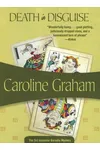
- Death in Disguise (1992): Barnaby investigates a local commune known as the Lodge of the Golden Windhorse, where a series of bizarre accidents and sudden deaths target the group's leaders.
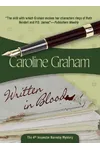
- Written in Blood (1995): A local writers' circle in the village of Midsomer Worthy invites a bestselling author to speak, leading to a night of jealousy, hidden pasts, and a gruesome murder that Barnaby must piece together.
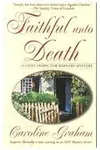
- Faithful Unto Death (1996): When a young wife disappears from a seemingly perfect village, Barnaby discovers a web of financial ruin, marital infidelity, and historical grudges.
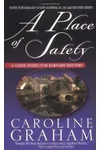
- A Place of Safety (1999): The peace of a quiet village is shattered by the death of a local blackmailer, followed by the disappearance of a young woman and her dog, challenging Barnaby to unravel the dark side of rural charity.
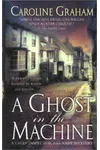
- A Ghost in the Machine (2004): Graham's final Barnaby novel focuses on the eccentric collector Dennis Brinkley, whose obsession with medieval war machinery and torture devices becomes his own undoing. Barnaby is tasked with parsing a village full of suspects who all stand to gain from Dennis's death.
Caroline Graham's Standalone Novels
Before and during her work on the Barnaby series, Caroline Graham penned three standalone novels that showcase her versatility beyond standard police procedurals:
- Fire Dance (1982): Graham's debut novel is a romance-focused drama quite different from her later dark mysteries. It offers a glimpse into her early writerly voice before she committed to crime fiction.
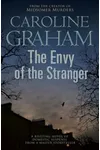
- The Envy of the Stranger (1984): A psychological thriller that builds slow dread, focusing on a radio presenter who becomes the target of a stalker. The book explores obsession and vulnerability in a modern urban environment.
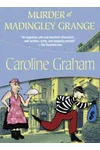
- Murder at Madingley Grange (1990): A delightful, satirical homage to Golden Age detective fiction. The story revolves around a gothic mansion where a group of eccentric guests participate in a staged 1930s-style murder mystery game, only for a real body to turn up. It is a comedic, self-aware whodunit that fans of Agatha Christie will thoroughly enjoy.
Midsomer Murders vs. The Novels: What to Know Before You Read
Most readers come to Caroline Graham by way of the massively successful ITV television series Midsomer Murders, which premiered in 1997. However, opening one of Graham's books with only the TV show as a reference point can lead to a surprise. While the show shares the books' picturesque settings, the original novels possess a significantly different character and tone:
A Grumpier, More Human Barnaby
In the television series, DCI Tom Barnaby (played by John Nettles) is a relatively steady, patient, and highly diplomatic detective. In the novels, Barnaby is a more complex, grouchy, and flawed individual. He frequently struggles with domestic annoyances, worries about his health, and deals with bouts of indigestion. He is a deeply observant detective but feels much more human and less of an idealized hero.
The Darker Side of Sergeant Troy
The most shocking contrast for TV fans is the character of Sergeant Gavin Troy. On television, Troy is depicted as slightly clumsy and naive, but ultimately loyal and well-meaning. In the novels, Troy is a deeply unpleasant character: he is a closeted homophobe, a casual misogynist, and an unfaithful husband who frequently resents Barnaby. This dynamic adds a layer of workplace tension and psychological realism that the lighter TV adaptation deliberately omitted.
Biting Satire and Patient Pacing
While the television series is a textbook "cozy" mystery, Graham's books are much sharper and more cynical. She uses her settings to satirize the petty snobberies and repressed hostility of English country life. Furthermore, the books are paced slowly and deliberately. Graham frequently spends the first hundred pages introducing the villagers, their affairs, and their histories before a murder even takes place, establishing a rich canvas of character studies before Barnaby steps in to restore order.
Practical Reader Advice
Can these books be read as standalones? Yes. Each mystery has a self-contained resolution. However, because of the evolving relationship between Barnaby and Troy, as well as recurring family subplots involving Barnaby's wife Joyce and daughter Cully, reading the Barnaby books in order remains the highly recommended approach.
If you are a fan of traditional country house mysteries but want a break from Barnaby, do not skip Murder at Madingley Grange. It works beautifully as a standalone read that parodies the classic tropes of the genre while still delivering a satisfying puzzle.