









How to Read Carolyn Wheat's Books: Recommended Reading Path
For readers diving into Carolyn Wheat's work, the primary recommendation is straightforward: follow the Cass Jameson series in order of publication. Because the books follow the personal growth, career progression, and evolving relationships of Brooklyn defense attorney Cass Jameson, reading them in sequence provides the most satisfying character arc.
The Best Starting Point
Start with Carolyn Wheat's debut novel, Dead Man's Thoughts (1983). This Edgar-nominated legal mystery establishes Cass Jameson's character, her professional ethos, and the emotional baseline of the series as she investigates the murder of her colleague and lover. It sets the tone for the gritty, realistic courtroom and investigative drama that defines the rest of the series.
Where to Go Next
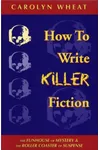
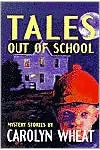
After completing the six novels in the Cass Jameson series, readers should explore Wheat's award-winning short stories. The collection Tales Out of School (2000) contains many of her most celebrated shorter works, including several award-winning mysteries. Aspiring writers or fans of the mystery genre will also appreciate her non-fiction guide, How to Write Killer Fiction (2003), which breaks down the craft using examples from classic crime novels.
Carolyn Wheat Books in Publication Order
The Cass Jameson Series
The Cass Jameson series consists of six legal thrillers published between 1983 and 1998. The publication order is identical to the chronological timeline of Cass's life:
- Dead Man's Thoughts (1983): The debut that introduces Cass Jameson. She is forced to play detective when her partner and lover is found murdered under suspicious and compromising circumstances.
- Where Nobody Dies (1986): Cass takes on a child custody case that quickly escalates into blackmail, conspiracy, and murder.
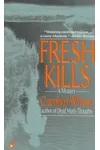
- Fresh Kills (1995): After a nine-year hiatus in the series, this novel returns with Cass navigating the dark and ethically compromised world of black-market baby adoptions.
- Mean Streak (1996): Cass defending an ex-lover, a prominent public defender accused of bribery and corruption, highlighting the conflict between personal loyalty and legal ethics.
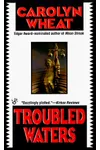
- Troubled Waters (1997): This story brings Cass into contact with environmental activism and corporate cover-ups along the Hudson River.
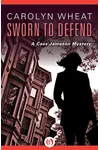
- Sworn to Defend (1998): Cass defends a client accused of domestic abuse, only to face a moral and legal crisis when she suspects he is stalking his wife, testing the limits of attorney-client privilege.
Collaborative Fiction and Short Story Collections
- Tales Out of School (2000): A collection of 19 of Carolyn Wheat's short stories published between 1989 and 1999, spanning various subgenres of mystery.
- The Sunken Sailor (2004): A collaborative, round-robin mystery novel where Carolyn Wheat contributed a chapter alongside other notable crime writers such as Simon Brett, Jan Burke, and Deborah Crombie.
Non-Fiction
- How to Write Killer Fiction (2003): A comprehensive guide to plotting, structuring, and writing mystery and suspense novels, informed by Wheat's experience as an author and creative writing instructor.
Chronological Continuity and Reading Caveats
While each of the Cass Jameson novels revolves around a self-contained legal case that is resolved by the end of the book, the emotional undercurrents and Cass's personal life carry over between volumes. For example, the events and fallout of her lover's death in Dead Man's Thoughts continue to affect her relationships and mental state in Where Nobody Dies. The nine-year gap in publication between the second and third books also reflects a shift in tone, with later books tackling more complex contemporary social issues like illicit adoptions and legal ethics.
If you choose to read the novels out of order, you will still be able to follow the mystery plots easily, as Wheat provides necessary context for past events. However, reading them out of order will spoil major developments in Cass's romantic and professional life.
What to Know Before You Start
Carolyn Wheat was a staff attorney for the New York City Police Department and worked extensively in the Brooklyn legal system. This professional background gives her novels a high degree of authenticity. Unlike many legal thrillers that focus on glamorous corporate trials, Wheat's work deals with the gritty reality of public defenders, arraignment courts, and marginalized clients. Her short stories also highlight her range, with "Accidents Will Happen" and "Cruel and Unusual" winning major mystery community awards for their tight plotting and dark psychological tension.