
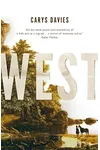
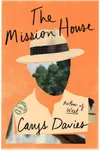
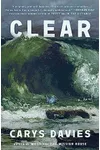
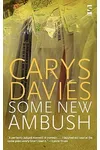

The Recommended Reading Path: Where to Start?
Because all of Carys Davies’s books are standalones, you do not need to follow a strict chronological sequence or worry about missing crucial plot details between volumes. However, to truly appreciate how she masterfully transitioned from writing brief, punchy short fiction to crafting "epics-in-miniature," we recommend the following entry points depending on what you like to read:
Option 1: Start with West (The Best All-Around Choice)
If you want to experience the essence of Davies's style in under 150 pages, start with her debut novel, West (2018). It is a haunting, frontier-set tale about obsession and family that showcases her signature ability to build vast emotional landscapes using very few words. It serves as the perfect introduction to her style before you tackle her more historically localized novels.
Option 2: Start with Clear (For Lovers of Language and Landscape)
If you prefer a story centered on deep human connection, isolation, and the beauty of language, start with her third novel, Clear (2024). Set during the Scottish Clearances, it is a quiet yet thrilling exploration of two men from different worlds finding a shared language. It is widely considered her most mature and polished work to date.
Option 3: Start with The Redemption of Galen Pike (For Short Fiction Enthusiasts)
If you want to sample her origins in short story writing, pick up The Redemption of Galen Pike (2014). This collection won the prestigious Frank O'Connor International Short Story Award and highlights her talent for creating complete, atmospheric worlds in just a handful of pages.
Carys Davies Books in Publication Order
If you prefer to see how Davies's themes of isolation, communication, and historical displacement evolved over time, reading in order of publication is a highly rewarding approach.
The Standalone Novels
- West (2018) – A widowed mule breeder leaves Pennsylvania for the uncharted American West, obsessed with rumors of ancient giant bones, while leaving his young daughter behind to face her own trials.
- The Mission House (2020) – A disillusioned English librarian seeks refuge in a quiet hill station in southern India, only to be caught in the delicate web of local relationships and rising nationalistic tensions. (Note: Released in the US in 2021).
- Clear (2024) – An impoverished minister travels to a remote Scottish island to evict its last inhabitant, only to form a profound, wordless bond with the man after a near-fatal accident.
Short Story Collections and Compilations
- Some New Ambush (2007) – Davies's debut short story collection, introducing readers to her dry wit and economical prose.
- The Redemption of Galen Pike (2014) – A celebrated collection of seventeen stories spanning Colorado jails, remote Australian settlements, and the drawing rooms of Victorian queens.
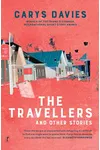
- The Travellers and Other Stories (2015) – A special compilation volume that brings together selected stories from both of her previous collections, Some New Ambush and The Redemption of Galen Pike.
Individual Short Stories and Pamphlets
Many of Carys Davies's individual stories were first published in literary magazines or pamphlets before appearing in her main collections:
- Jubilee (2012) – The story of a festival worker performing for Queen Victoria; later collected in The Redemption of Galen Pike.
- Miracle at Hawk's Bay (2014) – A tale of a body discovered in shallow water, also featured in the collection The Redemption of Galen Pike.
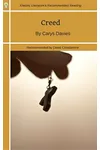
- Creed (2017) – A story set in the rugged Lake District about a reclusive sheep farmer; featured in Electric Literature's Recommended Reading and The Stinging Fly.
- The Testimonie of Alyss Teeg (2018) – Written in the voice of a young child, this piece was published as a collaborative standalone pamphlet by Guillemot Press after appearing in Ploughshares (2016).
What to Know Before You Start
Carys Davies's books are famous for their brevity. She writes sparse, "bone-clean" prose that relies heavily on what is left unsaid. Do not expect long, sweeping historical expositions. Instead, she drops readers directly into intimate situations where characters face immense natural elements or cultural friction. Themes of isolation, the struggle to communicate across language barriers, and the weight of history on ordinary lives run throughout all of her works.