



How to Read Casey Watson's Books: The Recommended Reading Path
Casey Watson’s books are deeply personal, raw, and heart-wrenching memoirs detailing her real-life experiences as a specialist foster carer in the United Kingdom. Because each book focus on a different child and a specific fostering case, there is no strict chronological plotline connecting them. As a result, you can read Casey Watson’s books in any order you choose.
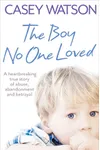
However, if you are looking for the best reading experience, we highly recommend starting with her debut memoir, The Boy No One Loved (2011). This book introduces you to Casey, her husband Mike, and their specialized approach to behavioral modification for severely troubled children. It provides the essential emotional and professional foundation of their household, setting the stage for all the memoirs that follow. Starting here allows you to watch Casey and Mike grow as foster parents, learning their strategies and seeing how the taxing nature of their work impacts their family over the years.
Alternatively, if you want to jump into her most acclaimed or recent works, you can start with major bestsellers like Little Prisoners (2012) or the Sunday Times bestseller Little Girl Lost (2024). Each book stands on its own as a complete story of a child's journey from trauma to healing, meaning you will never feel lost regardless of where you begin.
Casey Watson Books in Publication Order
For readers who prefer to witness the evolution of Casey's fostering career and writing style, reading in publication order is the most satisfying path. Below is the complete list of Casey Watson's full-length memoirs, novellas, and collections in order of their release:
The Memoirs and Standalone Books
- The Boy No One Loved (2011) – The debut memoir introducing Justin, a five-year-old boy who attempts to burn down his house after being abandoned by his mother.
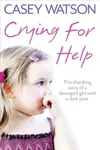
- Crying for Help (2012) – Follows Sophia, a deeply troubled teenager struggling with self-harm and severe emotional distress.
- Little Prisoners (2012) – The story of young siblings who have endured horrific neglect and abuse, and the long road to rebuilding their trust.
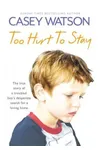
- Too Hurt to Stay (2012) – Focuses on Spencer, a young boy rejected by his adoptive parents after showing signs of severe behavioral trauma.
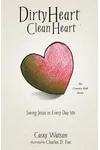
- Dirty Heart Clean Heart (2013) – Details the struggles of dealing with children carrying heavy emotional baggage and learning to separate the behavior from the child.
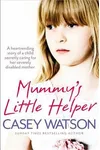
- Mummy’s Little Helper (2013) – Focuses on Tyler, a child who displays highly manipulative and aggressive behaviors behind a polite facade.
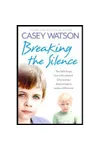
- Breaking the Silence (2013) – Follows two young brothers whose quiet demeanor masks years of profound neglect and trauma.
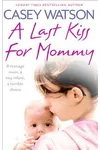
- A Last Kiss for Mommy / A Last Kiss for Mummy (2013) – A heartbreaking look at a child dealing with the terminal illness and loss of their mother.
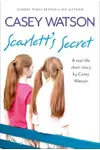
- Scarlett's Secret (2014) – Casey works with an eight-year-old girl who refuses to speak about the secrets of her past.
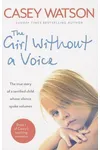
- The Girl Without a Voice (2014) – The story of Imogen, a selectively mute child who has suffered severe trauma.
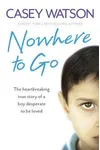
- Nowhere to Go (2014) – Explores the challenges of finding stability for children who have been repeatedly rejected by the care system.
- No Place for Nathan (2014) – Follows the story of Nathan, a teenager struggling to find a place where he belongs.
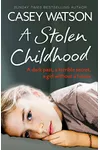
- A Stolen Childhood (2015) – A moving account of a child forced to grow up too quickly due to parental neglect.
- The Wild Child (2015) – The story of a child whose wild, uncontrollable outbursts test the limits of Casey's patience and techniques.
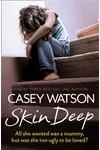
- Skin Deep (2015) – Focuses on Flip, a teenager dealing with severe self-harm, skin picking, and complex identity issues.
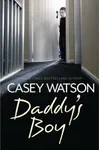
- Daddy's Boy (2016) – Explores the toxic influence of a destructive father figure on a young boy's development.
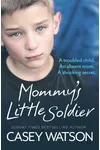
- Mommy’s Little Soldier / Mummy's Little Soldier (2016) – Follows a young boy who uses military-like discipline to cope with his chaotic emotions.
- The Little Princess (2016) – The story of a girl whose demanding, entitled behavior hides a deep-seated fear of abandonment.
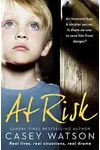
- At Risk (2017) – Focuses on the high-stakes environment of taking in a child deemed too dangerous for standard care facilities.
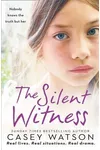
- The Silent Witness (2017) – Follows a child who witnessed a horrific event and struggles to process the trauma.
- Family Guy (2017) – A look at the dynamics of the Watson household and the challenges of balancing fostering with biological family life.
- Taboo Stories (2017) – A collection focusing on some of the most sensitive and difficult topics in foster care.
- Runaway Girl (2017) – Follows a teenage girl who repeatedly runs away from safe placements to seek out danger.
- Groomed (2017) – A shocking and sensitive look at a child who has been manipulated and exploited by adults.
- Angels with Dirty Faces (2018) – Chronicles the stories of multiple children passing through the Watson home, showing the varied faces of trauma.
- A Boy Without Hope (2018) – The story of a child labeled as unhelpable by the system, and Casey’s efforts to reach him.
- A Dark Secret (2019) – Follows a young girl hiding a terrible secret about her family life.
- Let Me Go (2020) – A memoir dealing with the difficult process of letting go when children move on to permanent homes or adulthood.
- Mummy, Please Don’t Leave (2021) – The emotional story of a child terrified of being separated from their primary caregiver.
- I Just Want to Be Loved (2022) – Focuses on a child whose acting-out behavior is a desperate plea for affection and security.
- I Want My Daddy (2023) – The story of a child torn between a loyalty to an abusive father and the safety of foster care.
- Little Girl Lost (2024) – A major bestseller focusing on Amelie, a six-year-old girl who regresses to infantile behavior after a traumatic house fire.
- A Family Friend (2025) – Follows 11-year-old Sammy, whose relationship with a neighbor reveals a disturbing history of grooming.
- Ghost Child (2027) – An upcoming memoir focusing on Molly, an emergency placement whose whispers reveal a dark, hidden danger.
Short Stories, Novellas, and Anthologies
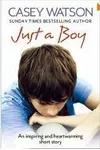
- Just a Boy (2013) – A digital-exclusive short story that follows Cameron, a humorous boy whose sudden disappearance during a family trip sparks panic.
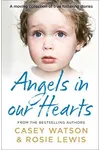
- Angels in Our Hearts (2019) – A collaborative anthology with fellow foster carer Rosie Lewis, compiling six emotional short stories (including the stories of Sarah, Charlie, Angell, Hope, Cameron, and Adam).
Chronological Caveats and Timeline Context
While the publication order is the easiest way to organize your bookshelf, readers should keep in mind that the chronological timeline of Casey Watson’s actual life does not perfectly match the release years of the books. Fostering cases often take years of reflection, legal clearance, and therapeutic processing before they can be written down. Additionally, because Casey writes under a pseudonym to protect the privacy of the children, details are altered, and cases are sometimes written about years after they occurred.
The constant, steady presence throughout all these books is Casey's husband, Mike, and their children. The growth of their biological children and the changing dynamics of their household serve as the true timeline of the series. If you read the books out of order, you might occasionally notice minor discrepancies in the ages of Casey's family members or the technology in their home, but this will not impact your enjoyment of the individual fostering stories.
What to Know Before You Start: Tone, Co-Authorship, and Themes
Before diving into Casey Watson's memoirs, there are a few important contexts that will help you appreciate her work. First, Casey Watson is a pen name. She uses a pseudonym to protect the identities and privacy of the children she fosters, allowing her to share their stories with complete, unflinching honesty without exposing them to public scrutiny. In recognition of her decade-plus of dedicated service, she was awarded an MBE in 2017 for services to fostering.
Second, her books are written in close collaboration with co-author and ghostwriter Lynne Barrett-Lee. Together, they shape Casey's diaries, notes, and memories into highly structured, narrative-driven books that read like novels while remaining entirely true to the real events. This partnership gives the books their signature style: fast-paced, emotionally resonant, and accessible.
Lastly, readers should be prepared for heavy themes. The books deal openly with physical abuse, sexual abuse, extreme neglect, self-harm, and behavioral issues. However, despite the dark subject matter, the prevailing tone of Casey Watson’s books is one of hope, resilience, and the transformative power of dedicated, compassionate care. They are stories about healing, showing that even the most damaged children can find a path forward when given unconditional love and stability.